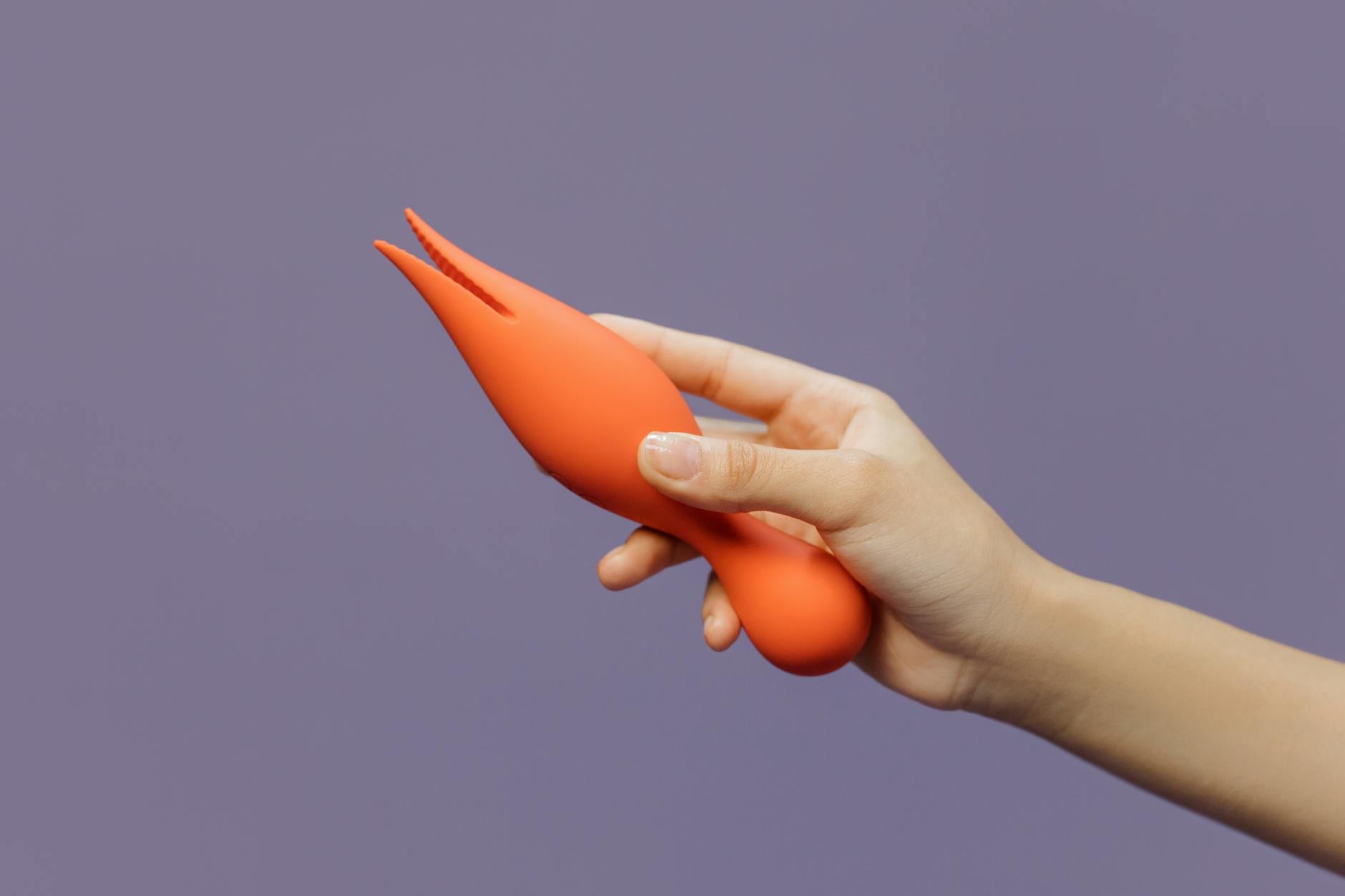
Here's the tricky part about pelvic floor dysfunction and vibrators
Let's be real. Pelvic floor dysfunction means your pelvic floor muscles are either too tight or too weak, or they can't relax properly. And yes, that changes how a lemon vibrator feels. But it doesn't automatically mean vibration is off the table. What it does mean is you need to approach it differently, with intention and patience, because forcing stimulation against an already tense pelvic floor can actually make things worse.
I work with a lot of people navigating this exact intersection. The pattern I see is usually the same. Someone gets a pelvic floor dysfunction diagnosis, panics that pleasure is off-limits, and either stops exploring entirely or uses their vibrator the same way they always did and then wonders why everything hurts more. Neither approach works.
The good news: with awareness and the right adjustments, a lemon clitoral vibrator can still be part of your pleasure routine. You just need to know what's actually happening in your body first.
What pelvic floor dysfunction actually does to sensation
Your pelvic floor muscles wrap around the base of your pelvis like a hammock. They support your bladder, uterus or prostate, and rectum. They also contract during orgasm. When these muscles are chronically tense or can't relax properly, vibration can either feel less intense than it used to (because the muscles won't release and allow blood flow), or it can feel painful or triggering because vibration is literally agitating an already defensive muscle group.
Think of it like this. Your pelvic floor in a state of dysfunction is like a fist that's been clenched for hours. Pressing on that fist doesn't feel good. Vibrating it feels worse.
Some people also report that vibration actually increases pelvic floor tension as a reflex. Your body is trying to protect itself, so it tightens further. This creates a feedback loop that's frustrating and counterproductive.
The difference between pain and tension
This distinction matters because your next steps depend on it. Pain during or after vibrator use is a sign to stop and potentially consult a pelvic floor physical therapist. Tension or numbness or feeling "blocked" is different. Tension you can sometimes work with. Pain is a boundary you respect.
If you've been using a lemon vibrator and suddenly experiencing sharp pain, deep aching, or a sensation like internal cramping, pause. That's your body communicating a hard no. But if you're noticing that sensation feels muted or that you can't quite get to orgasm the way you used to, or that your pelvic floor feels tighter afterward, those are signs to adjust your approach, not abandon vibration entirely.
How to use your lemon clitoral vibrator safely with pelvic floor dysfunction
Here are four shifts that make a real difference.
Start with the lowest intensity setting. If your lemon vibrator has settings one through five, begin at one or two. The goal is not to chase the strongest sensation. The goal is to teach your pelvic floor that vibration doesn't equal threat. This is retraining, not recreation.
Build in a relaxation phase before you even turn it on. Spend ten to fifteen minutes just breathing deeply, maybe with your legs slightly spread or in a comfortable reclined position. Some people find that gentle hip circles or a few pelvic floor releases (consciously softening and releasing the muscles, rather than kegels which tighten them) help. You want your pelvic floor already somewhat relaxed before vibration enters the picture.
Limit duration. Instead of using your lemon sucker for twenty or thirty minutes, try five to ten minute sessions. Shorter, gentler exposure is better than pushing through discomfort. If your body is tense, longer stimulation just breeds more tension.
Keep external focus. If you have pelvic floor dysfunction, focusing intensely on the internal sensation can sometimes amplify tension. Try directing attention outward instead. Notice the feeling on your hands, the texture of fabric, the temperature of the room. This keeps your mind from drilling into the sensation and triggering more protective clenching.
When pelvic floor physical therapy comes first
I want to be direct here. If your pelvic floor dysfunction is moderate to severe, working with a pelvic floor physical therapist before reintroducing vibrators is actually the smarter move. These therapists teach you how your specific muscles behave, what's causing the dysfunction, and they train you in relaxation techniques tailored to your pattern.
Once you've worked with a PT and have some tools and awareness, then reintroducing a lemon clitoral vibrator becomes part of your reclamation of pleasure. It's not fighting an uphill battle alone.
If cost or access is a barrier, there are some solid resources. Pelvic floor PT can be expensive, but many therapists offer reduced-cost sliding scale slots. Some also work via telehealth, which expands your options. Apps like Pelvic Floor First or other pelvic floor relaxation guides can help in the interim, though they're not a substitute for expert assessment.
The role of relaxation before stimulation
This is honestly the most underrated part of the pelvic floor dysfunction and pleasure equation. When you have a chronically tense pelvic floor, your body is in a state of protective guarding. You can't outforce that with a vibrator. You have to invite relaxation first.
Some people find deep breathing works. Some find that progressive muscle relaxation (systematically tensing and releasing muscles from toe to head) helps reset the pelvic floor. Some find that lying down with legs elevated, or in a supported butterfly stretch, just gives permission for the muscles to soften.
The practice you choose matters less than the consistency. Your pelvic floor has learned to be tense. Teaching it that it's safe to relax takes repetition, not intensity.
Communication with a partner during this adjustment
If you're using a lemon vibrator with a partner, this is worth naming. "I'm working on pelvic floor health right now, so I'm using lower intensity and shorter sessions," is way better than silently switching your approach and leaving your partner confused about what changed.
Partners often assume a change in vibrator use means something's wrong with the relationship or attraction. Being direct prevents that spiral. You're not less interested. You're differently interested, based on what your body needs.
What to expect as your pelvic floor improves
If you're doing pelvic floor physical therapy or consistent relaxation practice, you'll likely notice changes over weeks to months. Sensation might become sharper. Orgasms might feel more distinct. You might tolerate higher intensity settings. You might be able to use your lemon clitoral vibrator for longer without discomfort.
These improvements aren't linear. Some days your pelvic floor is tighter than others. Stress, menstrual cycle, sleep, and hydration all affect how your muscles behave. So does whether you've eaten. A day when you're dehydrated and stressed will often feel worse than a day when you're rested and hydrated. This is normal.
There's also a category of people who find that, even after pelvic floor PT, they simply don't enjoy intense vibration the way they used to. That's not failure. That's just knowing your body better. Lower intensity settings, longer warm-up time, or a lemon vibrator used in a different way might become your new normal. And that's entirely fine.
FAQ
Can pelvic floor dysfunction make you unable to orgasm with a vibrator?
Sometimes, temporarily. If your pelvic floor is very tight, it can block or delay orgasm because the muscles that need to contract during climax are already working overtime. But this usually reverses with relaxation work. Most people find that as pelvic floor tension decreases, orgasm becomes accessible again—sometimes even more reliably than before.
Is it okay to use a lemon vibrator if I have pelvic floor dysfunction but no pain?
Yes, but with the adjustments I mentioned. Tension without pain is different from pain. If you're not experiencing sharp sensation, you can cautiously explore lower-intensity use while you're also working on pelvic floor relaxation in other ways. Just watch for patterns. If every session leaves you more tense, that's a sign to pause and prioritize relaxation practice first.
How often should I use my lemon sucker if I have pelvic floor dysfunction?
Start with once or twice a week, in short five to ten minute sessions. As your pelvic floor relaxes and you feel more control, you can increase frequency. But don't rush. Consistency matters more than frequency here. A gentle five-minute session twice a week beats a forced thirty-minute marathon once a week.
Will using a lemon clitoral vibrator make my pelvic floor dysfunction worse?
Not if you're being intentional about intensity and duration. The risk comes from ignoring signals and pushing through tension. If you're using low settings, building in relaxation time, and stopping if pain appears, you're not making things worse. You're likely making things better by reclaiming pleasure on your own terms.
Should I avoid all vibration until my pelvic floor is "fixed"?
No. Pelvic floor dysfunction exists on a spectrum, and many people benefit from gentle, consistent exploration rather than total avoidance. That said, if your dysfunction is severe or recently diagnosed, a few weeks of rest and PT-focused relaxation before reintroducing vibrators is reasonable. Check in with your PT about timing.
Can I use a lemon vibrator during my menstrual cycle if I have pelvic floor dysfunction?
Yes, but many people find that their pelvic floor is tighter during menstruation due to hormonal changes. You might need even lower intensity or shorter sessions during your period. Some people actually prefer vibration during specific points in their cycle. Pay attention to what your body tells you and adjust accordingly.
What comes next
Pelvic floor dysfunction doesn't mean the end of pleasure with tools like a lemon clitoral vibrator. It means recalibrating. Lower intensity, longer warm-up, shorter sessions, and pelvic floor aware relaxation practices—these aren't compromises. They're how you actually get back to reliable, comfortable sensation.
If you're navigating this and feel stuck, reaching out for support is always an option. You deserve pleasure that doesn't come with tension or pain. That's not a luxury. That's a baseline.