Let's be real. Starting thyroid medication, whether it's levothyroxine for Hashimoto's or anything else in that family, can feel like someone turned down the dial on your entire nervous system. Sensation dulls. Arousal takes longer to build. Orgasms feel distant or flat.
You're not imagining it. And you're not broken. Thyroid hormones regulate everything from your metabolism to your neurological response, including how your clitoris responds to touch. When those hormones shift, pleasure doesn't vanish—it just requires a different approach to access.
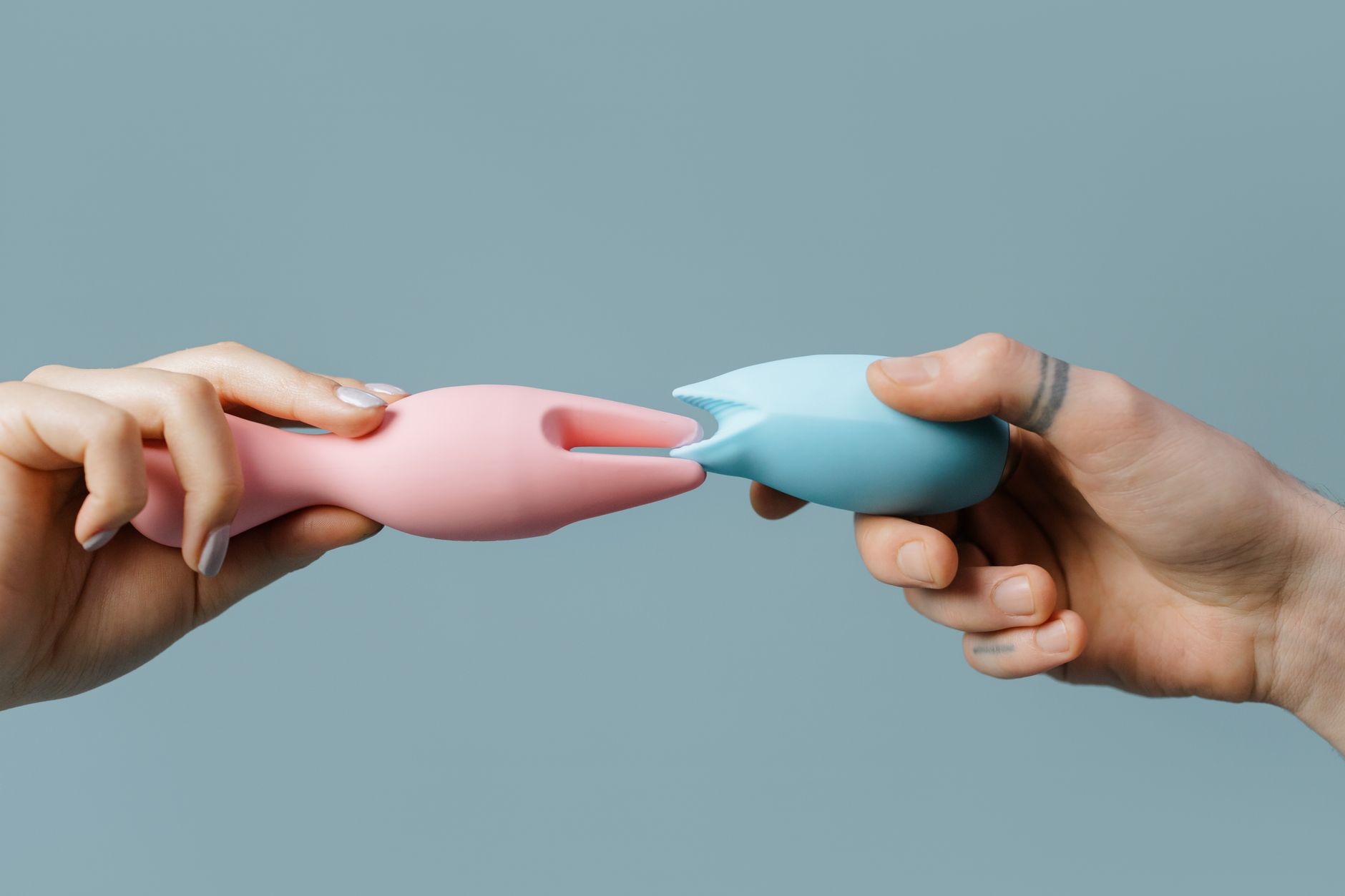
Here's what I've learned working with clients navigating this exact transition: lemon clitoral vibrators like those from My Lemon Clit work where traditional methods sometimes stall because they bypass the friction-based stimulation that thyroid medication has made harder to feel. Instead, they use suction and gentle pulsing to wake up nerve endings that have gone quiet.
How thyroid medication dulls sensation
Thyroid hormones control metabolic rate and nervous system sensitivity. When you start medication to replace what your thyroid isn't making, your body finally gets the right amount of thyroid hormone. But during the adjustment period, sensation often gets muted. This isn't a side effect that shows up in the pamphlet. Doctors don't usually warn you about it. But it's common enough that I hear about it from clients at least once a week.
Two things happen simultaneously. First, your metabolic rate normalizes, which means your overall energy returns but your nervous system is recalibrating. Second, the fine-tuning of your hormone levels (which usually takes weeks or months to dial in perfectly) creates a window where sensitivity lags behind everything else.
Add in the fact that many people on thyroid medication are also dealing with fatigue, brain fog, or lingering anxiety from being hypothyroid for months before diagnosis, and pleasure just isn't on the priority list. Your body is still learning how to function again.
Why suction works better than vibration alone
When sensation is dulled by thyroid medication, traditional vibrators can feel like they're knocking on a door that's not quite opening. You might need the intensity turned up higher than feels comfortable, or you might feel frustrated because nothing is happening.
Lemon clitoral vibrators use air-suction technology, which works differently. Instead of just vibrating against tissue, they create a gentle seal and pulse, stimulating the entire clitoral complex. This hits different nerve pathways and doesn't require the same level of baseline sensitivity to feel pleasurable.
Think of it this way. A regular vibrator is like tapping on a window. Suction is like opening the window and letting air move through. One requires the receiver to be very attuned. The other works with your current state of responsiveness.
The timeline for sensation recovery
If you've just started thyroid medication, the first four to eight weeks are typically the roughest. Your body is getting used to having adequate hormone levels again. By week eight to twelve, many people start noticing that sensation improves.
But here's what actually matters. You don't have to wait passively for sensation to return. Using a lemon clitoral vibrator during this period can actually help speed up the reconnection process.
Why? Because stimulation itself triggers nerve activation. Each time you use the toy, you're sending signals to your nervous system that say, "Hey, this area is supposed to feel good." Over time, those pathways strengthen. You're essentially retraining your pleasure response.
I've worked with clients who started using My Lemon Clit toys within the first two weeks of beginning thyroid medication, and they reported that sensation came back faster than it did without any stimulation at all. Not because the toy is magic, but because consistent, appropriate stimulation helps your nervous system remember its job.
Practical adjustments during the adjustment period
Starting a lemon clitoral vibrator when you're in thyroid medication adjustment mode means tweaking your usual approach.
Begin at the lowest setting. Even if you normally start at medium intensity, dial it back. Your nervous system is already recalibrating. Lower intensity feels like more, not less, right now.
Extend your warm-up time. Give yourself 15 to 20 minutes of foreplay or solo exploration before reaching for the toy. Thyroid medication slows arousal buildup. That's not a problem. It's just a different rhythm.
Use water-based lubricant liberally. Thyroid hormone affects moisture production in multiple ways. Generous lubrication isn't just comfortable. It also helps the suction seal work more effectively.
Focus on sensation, not outcome. During this period, let go of the goal of having an orgasm. Instead, notice what you can feel. Tiny sensations count. This retrains your brain to expect pleasure rather than chasing it.
Track your medication timing. If you're taking thyroid medication in the morning, you might notice your sensation improves slightly later in the day as the dose peaks. This is normal. Plan your exploration time accordingly.
When sensation loss is about more than medication
Thyroid medication can definitely flatten sensation. But it's worth asking yourself whether something else is happening too.
Clinical depression and anxiety often accompany hypothyroidism, and they can persist even after thyroid levels normalize. If you're still numb after three months on stable thyroid medication, it's worth checking in with both your doctor and a therapist. Sometimes sensation loss is partly about the medication and partly about emotional numbness.
Also check in on whether your medication dose is actually stable. If you're still feeling wildly fatigued, foggy, or anxious, your thyroid levels might not be dialed in yet. A simple blood test can tell you. Different bodies need different doses, and finding yours takes time.
Finally, certain other medications interact with both thyroid function and sexual sensation. If you're on antidepressants, blood pressure meds, or hormone therapies alongside thyroid medication, the combination might be creating the sensation loss. Not something to stop, but something to discuss with your prescriber.
Building back confidence and connection
Sensation loss isn't just physical. It also messes with your sense of yourself as a sexual person. If you've had satisfying sensation for years and then it vanishes, it's disorienting. You start doubting whether you'll ever feel good again.
This is where a lemon clitoral vibrator becomes as much about emotional recovery as physical sensation. Using it regularly, even when sensation feels muted, is an act of self-care that says, "My pleasure matters. I'm worth rebuilding this."
If you have a partner, let them know what's happening. Not as an apology, but as information. "My body is recalibrating right now. We might need to adjust our approach while that happens." Then actually do it together. Explore the toy together. Let them hold it. Give them space to learn what works for your body right now.
Many couples find that this adjustment period, while frustrating, actually creates deeper intimacy because it forces you to communicate about pleasure in ways you might never have otherwise.
Getting back to your baseline
Most people notice their sensation baseline returning about three to four months into stable thyroid medication. By six months, many people are back to where they started or better.
But here's the thing. If you've been using a lemon clitoral vibrator during those three to four months, your pleasure often comes back stronger than it was before. You've not just waited for sensation to return. You've actively taught your nervous system to stay engaged with pleasure.
Keep using the toy even after sensation returns. There's no reason to stop. You've learned something about your body during this transition, and that knowledge is valuable.
Frequently asked questions
How soon after starting thyroid medication will sensation come back?
For most people, sensation begins improving within four to eight weeks. But it's a gradual process, not a switch. You might notice that some days feel more sensitive than others, depending on stress, sleep, and whether your dose has stabilized. If sensation hasn't improved at all by twelve weeks, check with your doctor about whether your dose needs adjusting.
Can I use a regular vibrator instead of a suction toy?
You can, but many people find that suction toys like My Lemon Clit's lemon vibrators work better during this period because they don't require as much baseline sensitivity to feel pleasant. If you want to stick with a traditional vibrator, just expect that you might need lower intensity settings than usual, and give yourself more warm-up time.
Is sensation loss from thyroid medication permanent?
No. Once your thyroid levels stabilize and your nervous system finishes recalibrating, sensation typically returns. This usually takes three to six months. If it hasn't improved by six months, something else might be going on. Talk to your doctor about it.
Should I tell my partner that my sensation has dulled?
Absolutely. Keeping it secret turns into resentment and misunderstanding. Your partner isn't a mind reader, and they might assume something is wrong with the relationship when really your body is just adjusting to medication. A simple conversation prevents a lot of unnecessary hurt.
Can I use a lemon clitoral vibrator if I'm still adjusting my thyroid dose?
Yes. In fact, using one can help. Just start at the lowest setting and listen to your body. If something feels wrong, stop. But gentle, consistent stimulation during the adjustment period often helps sensation come back faster than waiting passively.
Will my orgasms feel different even after sensation returns?
Maybe slightly. Some people report that orgasms from thyroid medication adjustment feel a bit different than before, but most of the time they bounce back to normal. If they feel permanently different after six months of stable thyroid levels, that's worth mentioning to your doctor. Sometimes it's not the thyroid medication itself but another medication or health factor creating the change.