
Here's the thing about long-term relationships and pleasure
After 10, 15, 20 years together, most couples don't lose desire because they stop loving each other. They lose it because the body stops getting new signals. Sex becomes routine, familiar, almost administrative. Your nervous system gets bored before your heart does. And boredom is almost impossible to manufacture excitement through.
I've worked with hundreds of couples in this exact position. The conversation usually starts with "We're not in crisis, but something's missing." That missing thing is often not the relationship. It's sensation itself.
Why long-term couples experience pleasure fade differently than younger ones
When you've had sex with the same person for years, your brain knows exactly what's coming. There's no anticipation because there's no surprise. Your partner knows your body so well they can predict your response, which sounds romantic but actually works against pleasure. Anticipation and a tiny bit of uncertainty are what keep arousal alive.
Add stress, kids, aging, hormonal shifts, work burnout, and the accumulated emotional weight of a decade together, and your nervous system is basically in a state of defended calm. It's not activated. It's protected. Pleasure requires activation.
This is where lemon vibrators, particularly suction-based clitoral stimulation, become genuinely useful. A lem vibrator doesn't just add sensation. It breaks the pattern. Your body recognizes it as novel stimulation, and novelty is what wakes up a dormant nervous system.
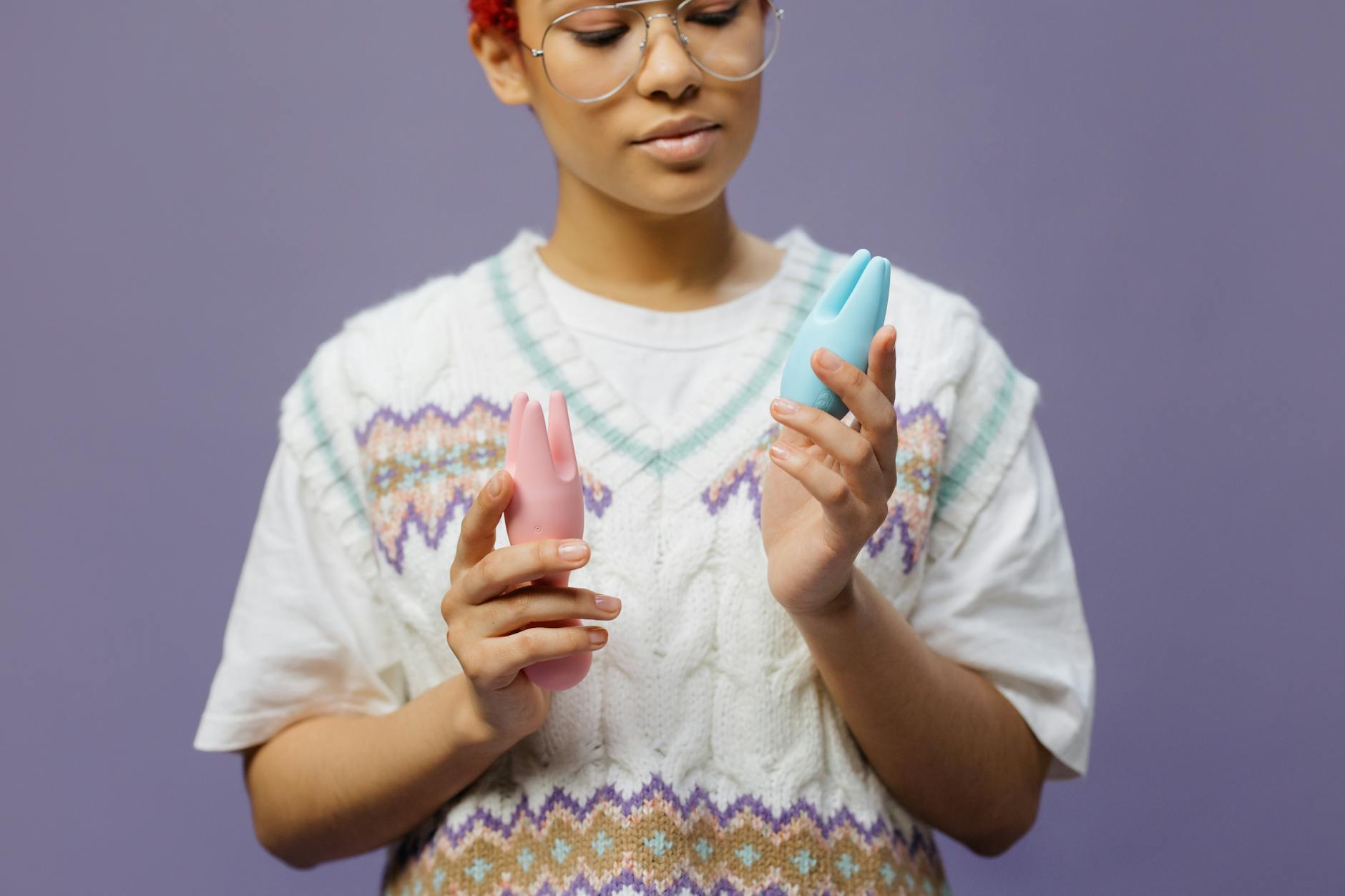
Photo by cottonbro studio on Pexels
How suction feels different from what you've been doing for years
If you and your partner have relied on direct touch and penetration for 15 years, your clitoris has been getting the same kind of stimulation the entire time. Your nerve endings have adapted to it. They still fire, but they fire predictably. There's no jolt.
Lemon vibrators use gentle suction rather than vibration alone. It's a completely different sensation pattern. The suction pulls blood into the tissue, which actually heightens sensitivity and creates a cascade of arousal that feels foreign and immediately interesting. Your body has to pay attention because it doesn't know what this is yet.
Most women report that the first time they use a lemon suction vibrator after years of traditional stimulation, they experience arousal differently. More intense, faster, sometimes surprising. This novelty is not a gimmick. It's a neurological reset.
The specific way lemon vibrators help rebuild connection with a partner
There's a version of this that works even better: exploring the lemon vibrator together. Not as a replacement for your partner, but as something you both discover.
When you introduce a lemon clitoral vibrator into partnered sex after years of the same pattern, several things shift. First, your partner gets to see you experience pleasure differently. They watch your body respond in ways they haven't seen before. That's genuinely arousing for most people. Second, there's a shared learning curve. Neither of you knows exactly how you'll respond, which means there's anticipation again. Third, and this matters more than most couples expect, using a lemon vibrator together gives you permission to slow down and pay attention to sensation without the pressure of "performance."
Many long-term couples report that the conversation alone, "I want to try this," opens up a dialogue about desire that's been dormant for years. You're naming that pleasure matters. That alone is relationship medicine.
Rebuilding sensation when numbness feels like the default
After years of the same stimulation, your body doesn't just get bored. Sensation actually flattens. You can still orgasm, but it feels muted. Less intense. More like checking a box than feeling something.
The clitoral nerve is remarkably plastic. It responds to novelty. When you introduce a completely different stimulus pattern, like the gentle suction of a lemon vibrator, you're essentially saying to your nervous system: pay attention, this is new. Within a few uses, many women report that their baseline sensitivity returns. Sensation feels sharper because your body is re-engaged with the experience.
This works even better if you've been on antidepressants, birth control, or any medication that numbs sensation over time. The lemon vibrator isn't compensating for the medication. It's reminding your body that arousal is possible, which actually strengthens the neural pathways involved in pleasure.
The practical steps for using a lemon vibrator after years together
Start alone first. I know that sounds counterintuitive if the goal is to rebuild connection, but here's why it matters: you need to figure out what the sensation feels like without the pressure of your partner watching or waiting. Spend 15-20 minutes exploring it by yourself. Try different intensity levels. Notice what your body does when it's surprised by something new. This is information you'll use when you bring it into partnered sex.
When you introduce it with your partner, don't make it the whole event. Use it for the first 5-10 minutes as foreplay, then transition to what you normally do. This keeps it from feeling like you're replacing them. It's an addition, not a substitution. Over time, you might use it for longer, but starting small means it feels like enhancement rather than change.
Water-based lubricant makes the experience better, especially if you're someone whose natural lubrication has changed with age or hormones. Lemon vibrators are more effective with a little extra glide.
Talk afterward. Not in a clinical way, just, "That felt different," or "That made me feel something I haven't felt in a while." This conversation, however simple, is reconnection. You're naming your bodies' capacity for pleasure again.
What happens when both partners embrace the novelty
Couples who've been together 10-plus years and introduce lemon vibrators often report something unexpected: it revives not just sex, but the playfulness between them. You're learning together again. You're curious about each other's bodies again. You're paying attention.
This doesn't mean the vibrator saved the relationship. It means the vibrator gave you permission to stop coasting. It created a doorway back into physical intimacy that had become routine.
I've also noticed that couples who rebuild pleasure with lemon vibrators after low libido and disconnection often find that the intimacy they rebuild extends beyond sex. They touch more. They're more affectionate. The nervous system activation from arousal bleeds into the rest of the relationship in a positive way.
When to expect shifts and when to be patient
Some women feel the difference immediately, on the first use. Others need three or four sessions before their body adjusts to the sensation and pleasure intensifies. Neither timeline is wrong. Your nervous system has habits, and it takes a few repetitions to establish a new pattern.
If you've been experiencing pleasure numbness for years, don't expect everything to reverse in a week. But do expect to feel something within a couple of sessions. A spark. A reminder. That's the starting point.
For couples, the shift is often slower and subtler. It's not that sex suddenly becomes amazing. It's that you both start paying attention again. You make time for it. You care about how it feels. And that attention, that care, is usually what actually rebuilds the connection.
When this approach needs additional support
If you're using a lemon vibrator and still feeling completely disconnected from pleasure, or if you and your partner can't seem to access playfulness or curiosity together, that's useful information. It usually means there's something bigger in the relationship that needs attention. A therapist who works with couples on intimacy can help you figure out whether it's a sex issue, a relational issue, or both.
Same thing if one partner is enthusiastic and the other feels resistant. Resistance to novelty is often about something else. Fear of vulnerability, resentment about other things in the relationship, or worry about what it means to acknowledge that desire is still possible. These are conversations worth having.
But for many couples, the lemon vibrator is the catalyst that makes those conversations possible in the first place.
FAQ
How long does it take for a lemon vibrator to actually restore sensation after years of numbness?
Most women notice something within the first three uses. Full restoration, where sensitivity feels genuinely alive again, usually takes 4-6 weeks of regular use. Your nervous system needs repetition to rewire. Think of it less like a light switch and more like gradually turning up a dimmer. The first few sessions are the dramatic jump. After that, it's a slower climb back to baseline sensitivity and beyond.
Can using a lemon vibrator with a partner create awkwardness or resentment instead of connection?
It can, if the introduction feels like one person is criticizing the other or if there's pressure to perform with it. The key is framing it as curiosity, not correction. "I want to explore this together" lands differently than "I need this because you're not enough." If either partner feels resentful about introducing a toy, that's usually a sign there's something else in the relationship that needs attention first. A good therapist who works with couples can help navigate that.
Is a lemon vibrator specifically better for long-term couples than any other toy?
Not universally, but lemon clitoral vibrators are particularly useful for couples seeking novelty after years together because suction feels distinctly different from what most partners provide through touch. The sensation pattern is unfamiliar, which creates that nervous system activation couples need. That said, any toy that feels genuinely new to both of you could work. The vibrator itself is less important than the conversation and the willingness to explore.
What if one partner thinks a lemon vibrator means the other partner isn't attracted to them anymore?
This is a very real fear, and it deserves a direct conversation. Introducing a vibrator is not about attraction. It's about nervous system activation and pleasure. You might say something like, "I'm still attracted to you. I'm exploring something that makes my body feel alive, and I want to share that with you." If the fear persists, that's worth exploring with a couples therapist. Sometimes this anxiety points to something deeper about insecurity or how the relationship has shifted over time.
Do lemon vibrators work the same way for couples in open relationships or non-monogamous arrangements?
Absolutely. In fact, some couples in non-monogamous arrangements report that exploring lemon vibrators together actually strengthens their primary connection because it's something they do together that's distinctly about their pleasure. It can feel like a reclaiming of shared intimacy in a relationship structure that sometimes makes that harder to access.
What's the difference between using a lemon vibrator solo versus with a partner for rebuilding desire?
Solo use gives you the information you need about what your body actually responds to. Partner use gives you the relational reconnection. Ideally, you do both. Start alone to understand the sensation. Then bring it into partnered sex. Many couples find that solo exploration plus partnered use creates the most sustainable shift in desire and connection. You're getting the nervous system reset individually and the emotional reconnection together.
What comes next
Long-term relationships don't fail because passion inevitably dies. They flatten when couples stop paying attention to each other's pleasure. A lemon vibrator is a tool for paying attention again. It's permission to name that desire still matters. It's a doorway back to curiosity.
If you're curious about exploring this with your partner, or if you want to understand more about how to introduce something new into a relationship that's been on autopilot, I'd recommend starting with a conversation. Not about the vibrator yet, but about what you both miss. What felt alive early on. What you want to feel again. The vibrator is the practical step. The conversation is the actual reset.
Ready to explore? Start with how to use lemon vibrators with a new partner for the first time together to get the mechanics down, then adapt it to your specific dynamic. And if you run into resistance or questions that feel bigger than the tool itself, that's a perfect time to reach out for support.
Your pleasure deserves attention. So does your relationship.