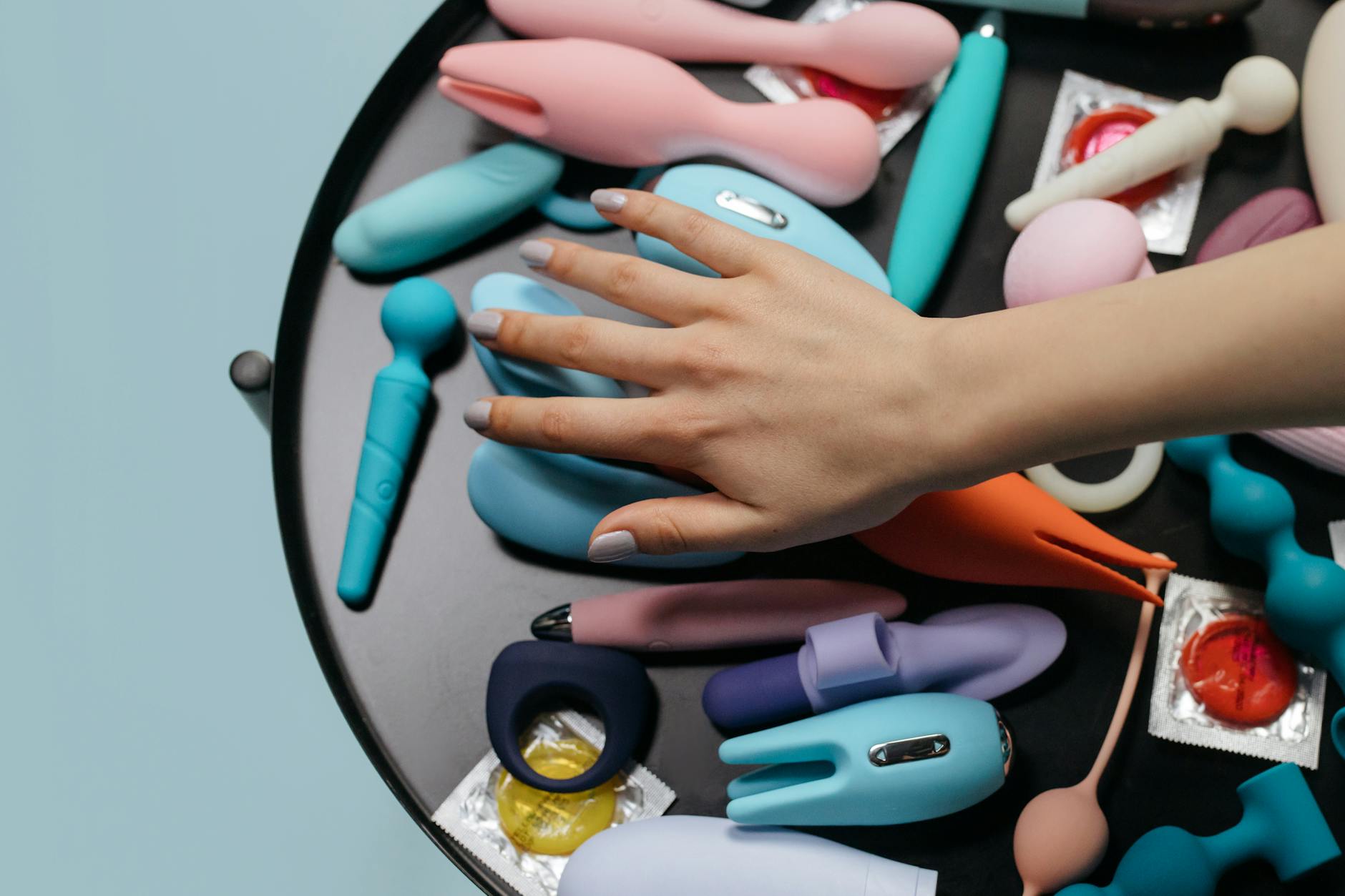
Let's be real about post-surgery intimacy
After gastric surgery or any significant digestive procedure, your body is in transition. Energy is low. Pain is real. And somewhere underneath all that, sensation and desire are still there, but they feel far away, like they're operating at half volume. Most recovery guides talk about walking, eating, medication compliance. Nobody mentions what happens to your sex life, which is weird because it matters just as much.
Here's what I see clinically: the gap between when you're "cleared" by your surgeon and when you actually feel like yourself sexually is often six to twelve months, not six to twelve weeks. And that gap is where couples get stuck, partners feel rejected, and people start to wonder if their body is broken. It's not. It's just recovering.
Why sensation changes after digestive surgery
Gastric bypass, gastric sleeve, lap band, or even abdominal hernia repair all have the same effect on intimacy. Three things happen physiologically.
First, your nervous system is in mild trauma recovery. Surgery triggers an inflammatory response, even minimally invasive surgery. That inflammation can blunt nerve sensitivity in the area around the incision and throughout the abdomen. Your clitoris might feel less responsive because your brain is still sending most of its resources to healing.
Second, your energy metabolism is completely different. If you've had weight-loss surgery, you're consuming far fewer calories and your body is processing food differently. That shift affects hormone production, including testosterone, which is a primary driver of arousal. Add post-surgery fatigue on top, and your libido doesn't just dip. It disappears.
Third, psychological factors pile on. You're in pain, you have visible scars, your body has changed shape, you're on medication, you might have nausea. All of that erodes the mental space where arousal lives. It's hard to feel sexy when you're uncomfortable.
Why lemon clitoral vibrators work better during recovery
Clitoral suction toys like the Lem vibrator are gentler and more targeted than traditional vibration. After surgery, your body doesn't need intense direct stimulation. It needs something that wakes up nerve endings without demanding energy in return.
Here's the mechanism. A lemon vibrator uses gentle suction and pulse patterns rather than forceful oscillation. That means:
- You don't need to be at 100 percent arousal to feel something. The suction creates sensation on its own.
- You're not putting pressure on healing tissue. The suction works from the surface inward.
- It takes less mental effort to reach orgasm. When you're fatigued, efficiency matters.
- The sensations are novel enough that your nervous system wakes up, even when general touch feels muted.
Many people recovering from gastric surgery report that traditional vibrators feel overwhelming or numb. With a lemon vibrator, they feel in control and in their body again, sometimes for the first time post-surgery.
The timeline that actually makes sense
Most surgeons clear you for intercourse at four to six weeks. That doesn't mean you're ready. Here's a realistic progression I recommend.
Weeks 1-4: No sexual activity. Your body is healing. That's it.
Weeks 4-8: Solo exploration only. If you feel like it, use your hand. No penetration, no devices. This is about reconnecting with sensation at the lowest stakes possible.
Weeks 8-12: Introduce lemon vibrators or other external clitoral toys. Start at the lowest setting. Fifteen to twenty minutes is plenty. You're not chasing orgasm yet. You're remapping sensation.
Weeks 12-16: Slow partner activity if you have one. This might be hands-on foreplay with lube, external touch, oral sex. Still no penetration.
Week 16 plus: Penetration and intercourse resume when you feel ready, not when the calendar says so.
The surgeon's timeline is legal liability. Your timeline is your actual healing. Respect the difference.
Practical steps for using lemon vibrators post-recovery
If you're cleared for external stimulation but still in the window where sensation feels muted, these five strategies help.
Start in a warm bath or shower. Warm water relaxes your nervous system and makes tissue more receptive. It's also a safe space to experiment without partner pressure.
Use water-based lube, even though suction doesn't technically need it. Lube reduces any friction sensation that might feel uncomfortable over healing tissue and makes everything feel smoother. It's an easy win.
Begin at pattern one. If your lemon vibrator has settings, start at the lowest. You can increase in two weeks.
Keep sessions short. Fifteen minutes is a full session. You're not training your body to climax fast. You're teaching your nervous system it's safe to feel.
Notice sensation without pursuing orgasm. This is the mental shift that matters most. Most people post-surgery are either pressuring themselves to "prove" they still work or avoiding pleasure entirely. The middle path is just noticing. My clitoris feels tingly. That's different from yesterday. That's enough.
When to pause and check in with your surgeon
Pain during or after sexual activity is not normal, even during recovery. If you experience sharp pain, increased bleeding, nausea, or any sign of infection around the incision, stop and contact your surgeon. Don't push through.
Same rule if you're six months post-op and sensation hasn't improved at all. That might point to nerve damage (rare but possible) or a complication that needs attention. Your doctor should know.
And if you're experiencing desire-blocking anxiety or trauma around the surgery, a therapist who specializes in body image or post-surgical adjustment is worth the investment. Pleasure isn't just physical. Sometimes the barrier is upstairs.
The recovery arc most people don't expect
Here's something that surprised me in my clinical work: many people report that their first orgasm back post-surgery is one of the most meaningful they've ever had. Not the most intense. Meaningful. There's usually relief, gratitude, and a sense of returning to themselves. That's not nothing.
Using something like a lemon vibrator during that window makes the experience less fraught and more exploratory. You're not trying to "get back to normal." You're building a new normal that fits where you are right now.
Recovery isn't linear. Some days you'll have energy and sensation will feel within reach. Other days you'll feel wiped out and wonder if you'll ever feel like yourself again. That's all normal. A device designed for gentle, intelligent stimulation meets your body where it is, rather than demanding it meet some imaginary standard.
People also ask
How long after gastric surgery can you use a vibrator?
Most surgeons clear external sexual activity at four to six weeks post-op, but that's a legal timeline, not a readiness timeline. I recommend waiting until week eight to introduce any device, and starting with the absolute lowest setting. Your body is still healing internally, even if the incision looks fine. When you feel ready, that matters more than the calendar.
Can using a vibrator delay recovery after abdominal surgery?
No, if you're using it correctly. External clitoral stimulation with a gentle device like a lemon vibrator doesn't stress your incision or interfere with internal healing. What can delay recovery is pushing too hard, too soon, which causes pain and stress response in your body. Start gentle and low-pressure.
Why does everything feel numb after gastric surgery?
Your nervous system is in recovery mode. Surgery creates inflammation, and inflammation temporarily blunts nerve sensitivity. Add fatigue, medication, and the fact that your body's energy is directed toward healing, and sensation naturally dips. It comes back, usually over three to six months. Gentle stimulation helps wake it up faster than avoiding touch entirely.
Is it safe to have an orgasm after gastric surgery?
Yes, once your surgeon clears sexual activity. Orgasm itself doesn't stress your body or your healing. What matters is that you're not in pain and that you're not putting pressure on the surgical site. If using a lemon vibrator or being intimate with a partner causes pain, that's your signal to stop and check with your doctor.
What if my partner and I have different recovery timelines?
This is incredibly common and often the source of relationship friction post-op. One partner is ready to resume intimacy, the other is still uncomfortable. The conversation that helps: separate the two needs. "I need physical affection and connection" is different from "I need penetrative sex." You might rebuild intimacy through massage, oral sex, or non-sexual touch before jumping back to intercourse. A lemon vibrator can be part of that bridge, used solo or together.
How do I talk to my partner about using a lemon vibrator during recovery?
Straight up. "I want to rebuild sensation after surgery. I'm thinking about using a clitoral vibrator. I'd like your support, and here's what that looks like." Most partners are relieved to have a concrete step forward rather than guessing whether touch is wanted. Some want to be involved. Some are happy to give you space. Both are fine. The conversation itself is the intimacy move.
Your body survived surgery. That's an incredible act of strength. Pleasure, sensation, and arousal will return. They just need patience, gentleness, and tools designed for where you are right now, not where you used to be. If rebuilding connection with your partner is part of your recovery, consider exploring how to use lemon vibrators with your partner when sensitivity differs for strategies on rebuilding that piece together.
Recovery is long. Let it be.