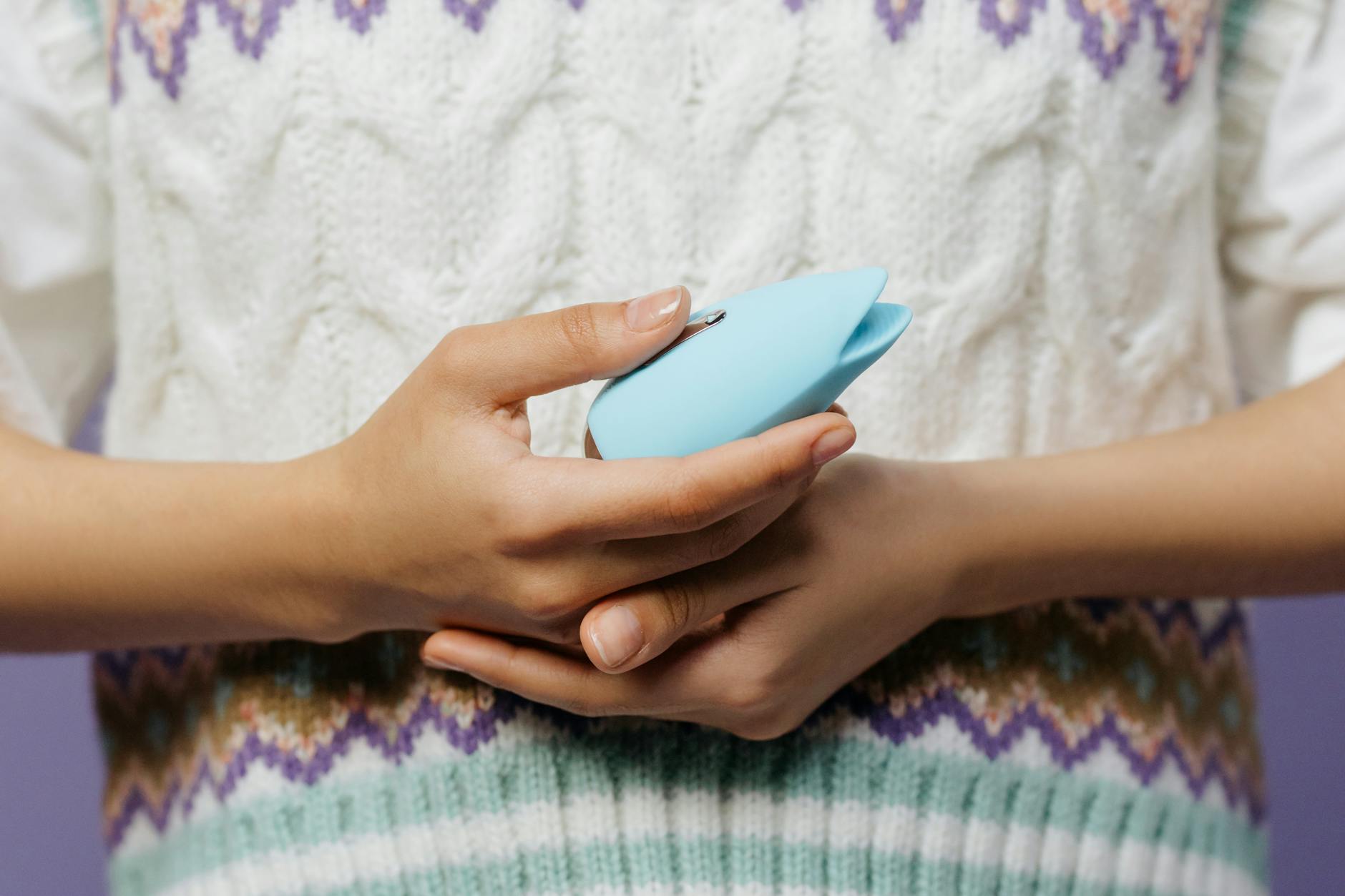
Let's talk about what clitoral numbness actually is
Clitoral numbness isn't a character flaw or a sign that your body is broken. It's a physiological response to sustained pressure, repeated overstimulation, or sometimes a neurological feedback pattern that your nervous system has learned. The good news? It's reversible.
The clitoris has roughly 8,000 nerve endings packed into a small space. When those nerves get overloaded or desensitized from friction-based vibration, they essentially stop firing at the same intensity. You feel less, even when the stimulus is strong. This is where lemon vibrators and other suction-based toys become genuinely useful.
How friction creates numbness in the first place
Most traditional vibrators work through repetitive, high-friction contact with the clitoral glans. Over time, this constant micro-abrasion can numb the area. Think of it like touching a surface over and over: eventually your fingertips stop registering the texture as sharply. Your clitoris works the same way.
Hormonal shifts, aging, medications like SSRIs, and even stress can accelerate this process. But the mechanism is the same: overuse of friction-based stimulation trains your nerve endings to respond less dramatically.
Here's what most people miss: numbness doesn't mean you've broken your capacity for pleasure. It means your clitoris is asking for a different kind of input.
Why suction feels completely different
Suction-based toys like the Lem work through negative pressure, not friction. Instead of rubbing across the surface, they create a gentle seal that rhythmically draws tissue into a chamber. This engages deeper nerve clusters without the direct pressure that caused numbness in the first place.
The stimulation pattern is also different. Suction pulses, rather than vibrates continuously. Your nervous system responds to novelty. After months or years of the same friction pattern, your clitoris essentially stops paying attention. Suction breaks that learned pathway and reactivates dormant nerve responsiveness.
I've seen clients rebuild full sensation within 2-4 weeks of switching to suction, especially when combined with longer warm-up time and intentional breaks from friction toys.
The rebuild process: what to expect
Restoring clitoral sensitivity isn't instant, and that's actually important information. Your nervous system needs time to recalibrate.
Weeks 1-2: You'll notice the sensation feels different, possibly less intense than your old friction vibrator. This is normal. Resist the urge to jump back to what felt "stronger" before. That strength was actually a sign of numbness, not pleasure.
Weeks 2-4: Sensation starts rebuilding as your nerves respond to the new stimulus pattern. You might feel more acutely during this phase, sometimes uncomfortably so. Use lower suction settings and shorter sessions.
Weeks 4-8: Full sensitivity returns for most people. Orgasms often feel more localized and intense because you're engaging nerves that had tuned out.
One thing I always emphasize: this isn't about the toy being "better." It's about giving your nervous system permission to wake back up.
Three practical steps to rebuild sensation safely
First, start on the lowest suction setting. If your Lem has settings 1-7, begin with 1 or 2. I know this feels counterintuitive when you're used to higher intensity, but sensitivity rebuilds from the ground up, not the top down.
Second, build in rest days. Use suction toys 3-4 times per week, not daily. Your nerves need recovery time to reset their baseline. When you're rebuilding sensitivity, less frequent use actually accelerates the process.
Third, combine suction with extended warm-up. Spend 10-15 minutes on mental arousal, breathing, and non-genital touch before you introduce the toy. This primes your nervous system for input and makes the suction feel more integrated rather than jarring.
What happens to numbness when you add a partner
If you're navigating this with a partner, the dynamic changes. Many people find that manual stimulation from a partner feels more pleasurable during the rebuild phase than solo play. This is because a partner can adjust pressure and rhythm in real time based on your feedback.
The key conversation: separate "my sensitivity is rebuilding" from "I want more attention from you." Confusing them turns the rebuild into an emotional negotiation, which muddies the physical process.
Some couples find that using a lemon clitoral vibrator together becomes a reconnection ritual. You're not just fixing numbness; you're rediscovering your partner's touch in the context of something new. That shift in attention alone can deepen sensation.
When numbness signals something beyond overuse
If numbness appeared suddenly without a history of friction toy use, or if it's accompanied by pain, shooting sensations, or loss of feeling in other body parts, see a healthcare provider. This could point to a nerve condition, medication side effect, or hormonal imbalance that deserves clinical attention.
Friction-induced numbness is gradual and localized to the clitoris. Neurological numbness often spreads or appears abruptly. The distinction matters because the treatment path differs.
If your GP isn't familiar with sexual health, ask for a referral to a sex medicine specialist. They exist, and they're trained to separate mechanical issues from physiological ones.
The emotional layer you probably haven't considered
Sometimes what feels like clitoral numbness is actually protective numbness. If you've experienced sexual trauma, pressure from a partner, or anxiety around pleasure, your nervous system might be dampening sensation as a survival mechanism. You can physically rebuild clitoral sensitivity with lemon vibrators and still feel emotionally numb during touch.
This isn't a failure of the toy. It's a signal that pleasure rebuilding might need to happen alongside emotional work, too. A therapist trained in somatic therapy or trauma-informed sexual health can help you address both layers simultaneously.
The Lem and other suction toys are powerful tools. But they work best when you're also giving your nervous system emotional permission to feel.
People also ask
How long does it take for clitoral sensitivity to return?
Most people report noticeable improvement within 2-4 weeks. Full sensitivity restoration typically takes 6-8 weeks of consistent use with lower-intensity tools. Some people experience faster rebuilding if they've only been numb for a few months; longer-term numbness sometimes takes 12 weeks or more. Individual variation is huge, though. Age, baseline nerve health, medications, and stress all influence the timeline.
Can you permanently damage clitoral sensitivity with vibrators?
Temporary numbness from overuse is reversible. Permanent nerve damage from vibrators alone is extremely rare. Your clitoris is resilient. The numbness you're experiencing is almost certainly a learned response, not structural damage. The exception: if you've experienced genital trauma or surgery, that's a different category and worth discussing with your doctor before reintroducing toys.
Why do lemon suction vibrators work better than regular vibrators for numbness?
Suction engages different nerve clusters than friction does. Your clitoris has shallow nerves close to the surface (which friction over-activates) and deeper clusters that suction reaches without direct pressure. By shifting the stimulus pattern, you're essentially retraining your nervous system to pay attention to a different signal. It's novelty that rebuilds sensitivity, and suction provides that novelty most effectively.
Is clitoral numbness the same for everyone?
No. Some people experience localized numbness only on the glans; others feel it on the visible clitoris or even the vulva surrounding it. The underlying cause also varies. Friction-based numbness, hormonal numbness, medication-related numbness, and neurological numbness all present similarly but respond differently to treatment. Pay attention to when your numbness started and what preceded it. That context helps you choose the right recovery approach.
Can you use a lemon vibrator immediately after noticing numbness?
Yes, but start slowly. The first instinct is often to use the strongest tool to "break through" numbness. That actually perpetuates the problem. Begin with the lowest setting, short sessions, and extended rest days. Your nervous system needs time to recognize the new stimulus as distinct from what caused the numbness originally. Patience here accelerates recovery.
Should you stop using vibrators entirely to rebuild sensitivity?
Not necessarily. Complete cessation can work, but it takes longer (sometimes 2-3 months) because your clitoris doesn't receive any stimulation at all. Most people rebuild faster by switching to a gentler stimulus like suction rather than stopping altogether. Think of it as retraining, not resting. You're changing the input signal, not eliminating stimulation.
Here's what matters most
Clitoral numbness is information, not a dead end. It's your nervous system signaling that something needs to change. The change doesn't have to be permanent; in most cases, it's not.
Switch to lemon suction toys, dial back intensity, give yourself time, and be patient with the rebuilding process. Sensation returns more reliably than most people expect, especially when you're willing to approach pleasure differently than before.
Your clitoris is waiting to wake up. The right tool and the right timeline make all the difference.
Have questions about where to start? We're here to help. Reach out at /contact and we'll walk you through a personal plan for rebuilding sensitivity.