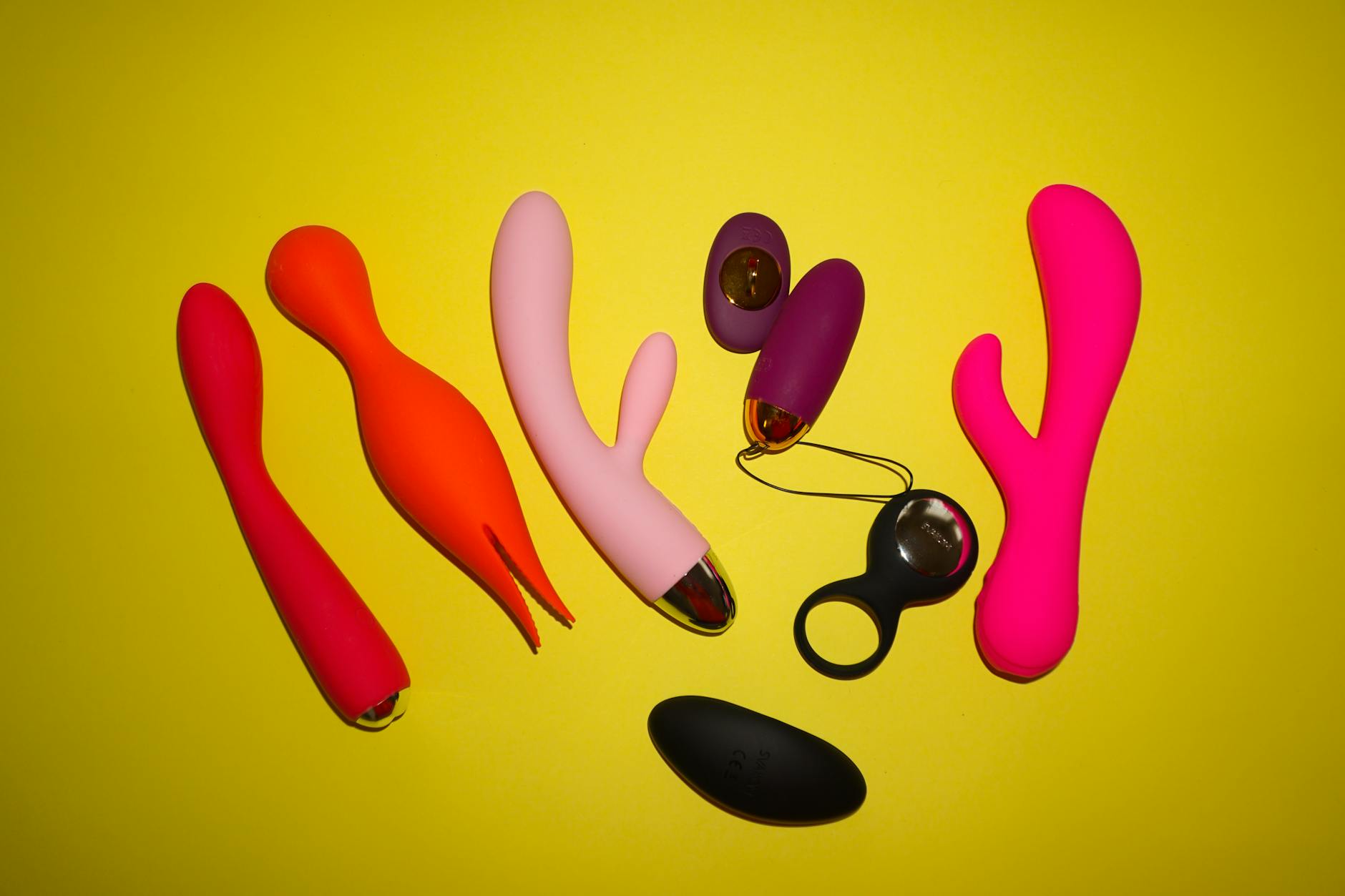
Let's be real about the aftermath
After a big fight with a partner, the pressure to "make up" through sex can feel suffocating. You're still angry, or hurt, or just tired. Your body hasn't caught up with the apology yet. And jumping into partnered sex when you're not actually there emotionally doesn't fix anything. It just papers over it.
Here's the thing nobody says: solo pleasure with a lemon clitoral vibrator is often the bridge you need before you can actually reconnect with your partner. It's not instead of talking. It's the thing that helps you get clear enough to talk.
Why your body holds onto conflict longer than your brain does
When you fight, your nervous system activates. Cortisol spikes. Your pelvic floor tenses. Blood flow redirects away from pleasure-responsive areas and toward your limbs, because your body thinks you're in danger. Even after you and your partner apologize, your body is still in defensive mode.
Trying to have sex in that state feels either numb or irritating. Nothing lands right. And then both partners feel rejected, which restarts the whole cycle.
Solo play with lemon sexual toys works differently. You're not performing for anyone. You're not worried about your partner's pleasure or timing. You can go slow, pause, restart, change your mind halfway through. Your body slowly learns that it's safe to let go again.
The first 24-48 hours: pleasure as self-regulation
Right after a conflict, most people need space. That's correct instinct. But "space" doesn't mean isolation. It means moving from defensive to neutral. Solo time with a lemon vibrator helps that transition.
Here's what I recommend:
- Take at least 24 hours before attempting partnered sex. This isn't punishment. It's physiology. Your nervous system needs time to downshift.
- Use a lemon vibrator for 10-15 minutes of low-pressure stimulation. Not goal-oriented toward orgasm. Just gentle touch. The suction feature on lemon clitoral vibrators is particularly good here because it feels less intense than friction-based toys when you're still tense.
- Focus on breathing while you're using it. This activates your parasympathetic nervous system. Your body learns that pleasure is safe again.
- Pay attention to what you notice. Are you holding tension somewhere? Does one pattern feel better than another? This isn't self-therapy. It's just feedback to yourself.
Many people skip this step and go straight to trying to fix the relationship. But your body knows something your words don't yet. Listen to it.
Days 2-3: Reclaiming your own pleasure
Once you've moved from "activated and defensive" to "calmer," something shifts. You might notice that you actually want to feel good. Not as a performance for your partner. Just for you.
This is where lemon adult toys become genuinely restorative. Your nervous system is starting to associate pleasure with safety again. And here's the part that matters for reconnection: when you practice being present with your own pleasure in a calm state, you're literally rewiring your body's baseline.
That rewiring makes it possible to be present with a partner again. You're not bracing for conflict. You're not numb. You're actually there.
The conversation that happens because of this
Something unexpected often happens around day 2 or 3 of regular solo play post-conflict: you get clarity about what the fight was actually about. Not the surface argument. The thing underneath.
Maybe you realize the fight wasn't about that specific thing your partner said. Maybe it was about feeling unseen for weeks. Or about resentment you've been carrying longer than you thought. Or about something completely unrelated that got triggered.
Solo pleasure creates space for that clarity because there's no pressure to perform or convince or defend. You're just with yourself, feeling what you actually feel.
When you come back to your partner with that clarity instead of just "I'm sorry," the conversation actually repairs something. You're not sweeping it under the rug with sex. You're addressing the real thing.
This is where lemon vibrators become more than toys. They're tools for honesty.
When it's time to try partnered sex again
You'll know when it's actually time. Your body will tell you. The pressure will be gone. You'll actually want to be touched by your partner, not just feel obligated.
When you do try, keep these in mind:
Start slower than usual. You've been in solo mode. Your partner might feel unfamiliar at first, and that's okay. Go gentle. Let your nervous system re-acclimate to someone else's touch.
Talk more than you think you need to. "Does this feel okay?" and "I need to go slower" aren't mood-killers post-conflict. They're the actual repair. Vulnerability is the thing that rebuilds trust.
A lemon vibrator can be part of partnered sex too. Lots of couples find that bringing the vibrator into the mix after conflict makes the transition easier. It's familiar to your nervous system. Your partner sees you enjoying pleasure. It reminds both of you why you wanted to reconnect in the first place.
The thing nobody talks about: sometimes you realize you need more than this
Some conflicts are bigger than a 48-hour reset and some thoughtful solo play. If the same fight keeps happening, or if you felt genuinely unsafe during the conflict, that's a signal to get help from a couples therapist or counselor.
But for the everyday conflicts that happen in long-term relationships—the ones where you both care but got reactive—this process actually works. It's slower than jumping into makeup sex. And slower is exactly what makes it real.
The bigger picture
One of the most valuable things I've learned from working with couples is that pleasure isn't separate from relationship health. When partners stop prioritizing pleasure for themselves, the whole dynamic flattens. Resentment builds. Communication gets thinner.
Using lemon clitoral vibrators for solo pleasure after conflict isn't selfish. It's actually the thing that makes you more available to your partner. Because you're not running on empty. You're reminded that you deserve to feel good. That pleasure is yours, not something you earn or trade.
And when both partners feel that way, reconnection becomes possible again.
People also ask
How long after a fight should I wait before trying solo play with a lemon vibrator?
At least 24 hours. Your body needs time to exit fight-or-flight mode. If you try immediately after a conflict, you'll either feel nothing or feel irritation. Wait until your nervous system has settled. Then start with low-pressure, non-goal-oriented stimulation.
Can using a lemon vibrator solo after conflict damage my relationship?
No. In fact, the opposite is true. Solo pleasure helps your nervous system reset so you can actually be present when you reconnect with your partner. The couples I work with report that prioritizing individual pleasure actually strengthens their relationship because both partners feel more secure and less pressured.
What if my partner feels threatened by me using a lemon clitoral vibrator after we fight?
This is worth a conversation, but not during the conflict. Once things have cooled, you might say something like: "When we fight, I need time to feel safe and grounded again. Solo time with my vibrator helps me reset. It's not about you. It's about me getting back to a place where I can actually connect." A partner who loves you will understand that your pleasure serves the relationship, not threatens it. If they don't, that might point to something deeper worth exploring with a therapist.
Is it better to use a lemon vibrator or other types of toys after conflict?
Lemon vibrators and lemon sexual toys are particularly good post-conflict because the suction feature is less harsh on a tense pelvic floor than friction-based vibration. But ultimately, use whatever feels good to you. The goal isn't a specific toy. It's reconnecting with your own body as safe and pleasurable.
What if I orgasm solo right before trying to reconnect with my partner?
That's totally fine. Some people worry that they'll "use up" their pleasure, but that's not how bodies work. If anything, a recent solo orgasm can help you relax into partnered sex because there's less pressure to achieve something. You've already had pleasure. Now you're just sharing time together.
How do I know if my relationship conflict is normal or if it means something is broken?
All long-term relationships have conflict. It's how you move through it that matters. If you can apologize, reconnect, and actually hear each other, that's healthy. If the same fight happens repeatedly and nothing changes, or if either partner feels unsafe, that's a signal to bring in a professional. But routine conflict plus genuine effort to repair? That's not broken. That's called being in a real relationship.