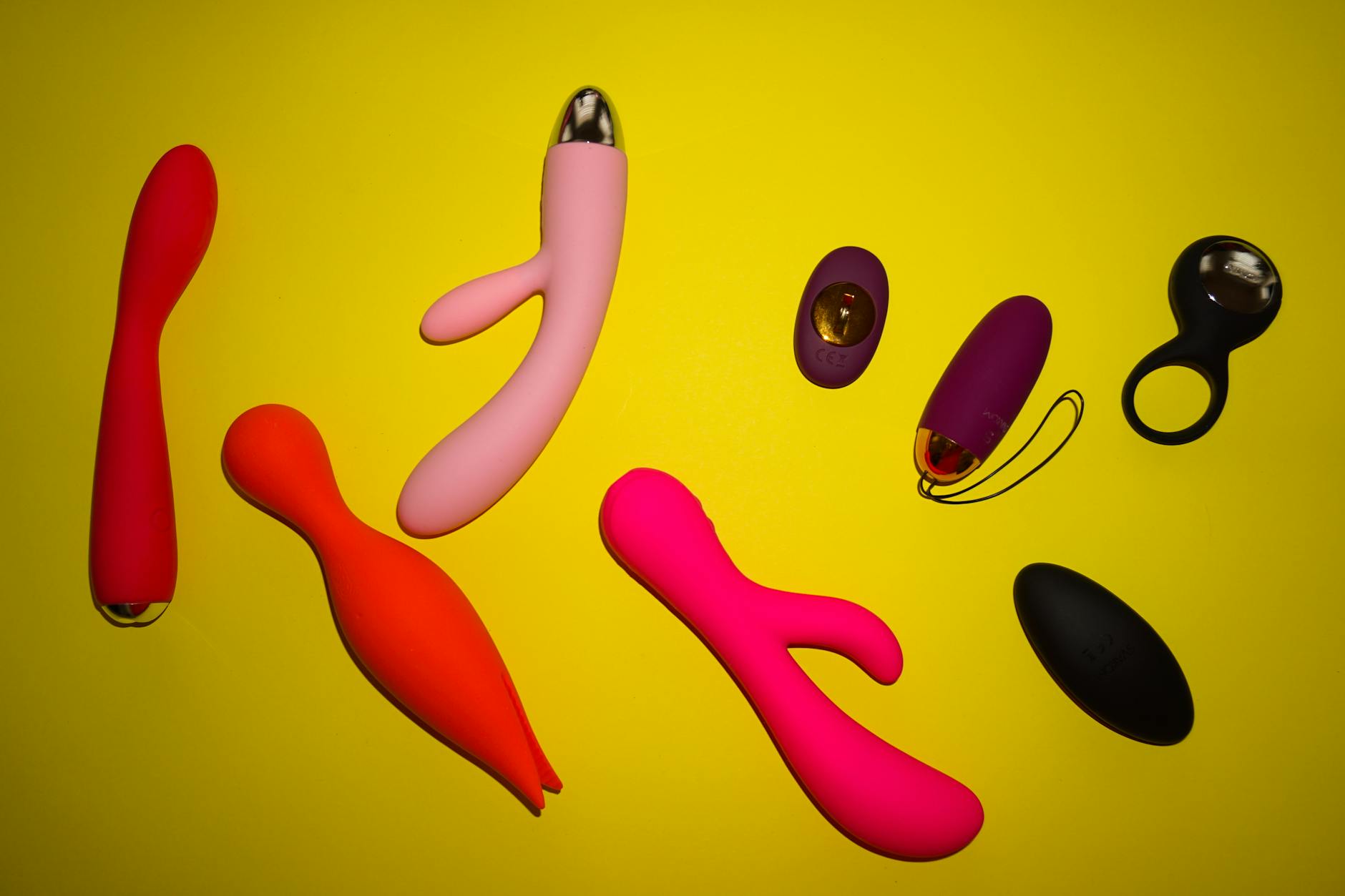
When one person wants sex and the other doesn't
Here's the thing nobody tells you: desire loss in a long-term relationship isn't usually about attraction. It's about stress, health, medications, life stage, or sometimes just the simple fact that you and your partner have mismatched libidos. And when that gap opens up, it's easy to blame yourself, blame them, or blame the relationship itself. A lemon vibrator doesn't fix the mismatch. But it does something almost as valuable: it gives you permission to have pleasure anyway.
I've worked with hundreds of couples where one partner wanted sex three times a week and the other wanted it three times a year. The resentment that builds isn't really about sex. It's about feeling rejected, feeling pressured, or feeling like your needs don't matter. A lemon vibrator can interrupt that cycle.
Why the mismatch happens in the first place
Desire loss has about five major causes, and none of them are simple.
Life stage and stress. The person who lost interest might be managing aging parents, a demanding job, or early perimenopause. Their nervous system is already overloaded. Sex feels like another task, not a pleasure.
Medication side effects. Antidepressants, blood pressure drugs, and birth control can flatten desire or make orgasm harder. The person knows this intellectually but feels broken anyway.
Unresolved conflict in the relationship. Sometimes desire loss is the symptom, not the problem. If your partner feels unheard, criticized, or unsafe, sex becomes impossible. This one needs a therapist, not a toy.
Hormonal shifts. Menopause, andropause, thyroid issues, low testosterone. These are medical, treatable, and worth investigating with a doctor.
Genuine mismatch in baseline desire. Some people are wired for sex twice a month. Others are wired for twice a week. Neither is wrong. They're just incompatible without creative solutions.
The first move is figuring out which one you're dealing with. That conversation is separate from the conversation about lemon vibrators.
Why a lemon vibrator changes the dynamic
When one partner stops wanting sex, the person with higher desire often enters a shame spiral. You feel rejected. You wonder if you're too much. You start to resent your partner for having low desire and resent yourself for having high desire. Everyone feels terrible.
A lemon clitoral vibrator breaks that loop because it shifts pleasure from "something we do together" to "something I can have for myself." And that matters psychologically.
First, you reclaim agency. You're not waiting for your partner to want you. You're not pressuring them. You're meeting your own needs, which means the pressure dissolves.
Second, your partner doesn't have to perform. They can be in the room, they can not be in the room, they can help or watch or be completely absent. There's no expectation. That often actually increases desire over time because desire thrives without pressure.
Third, a lemon vibrator works fast. Most people achieve orgasm in under ten minutes with good technique. That means you're not spending an hour waiting to see if anything happens. You get the release, the dopamine, the physical relief. And then you both move on with your evening.
How to introduce a lemon vibrator into the conversation
Don't surprise your partner with it. Don't assume they'll be okay with it. And don't frame it as a solution to their lack of desire, because it isn't.
Here's the script that actually works:
"I've been feeling frustrated about our different desire levels, and I don't want that frustration to build into resentment. I've been thinking about getting a lemon vibrator so I can take care of my own pleasure on my own timeline. I wanted to talk to you about it first because transparency matters to me."
Then stop. Let them respond. They might say yes immediately. They might need time. They might have questions about whether this means you're done having sex together. Answer honestly.
Some partners feel relieved. Some feel threatened. Both are normal. If your partner is threatened, that's worth exploring with a therapist together because the threat isn't really about the toy.
The rules that make it work
If you're going to use a lemon vibrator in a mismatched-desire relationship, a few boundaries actually help.
Your partner doesn't have to participate. They can leave the room, watch from across the room, or stay in the same bed and read. Their presence or absence shouldn't change your ability to enjoy yourself. If you need them to be aroused for you to feel aroused, that's a different conversation.
You're not using it as punishment or as proof. Don't use the vibrator as a weapon ("See, I don't need you"). Don't use it to show your partner how much they're failing you. That defeats the whole purpose.
Timing matters. If your partner is already feeling low desire, using the vibrator right next to them might increase their shame. Consider whether you need privacy sometimes, and whether that's okay with them.
This doesn't replace couple sex. A lemon vibrator is a supplement, not a substitution. If you've stopped having sex with your partner entirely because the desire mismatch is too wide, the vibrator isn't the fix. The fix is a conversation with a therapist about whether the relationship can work as it is.
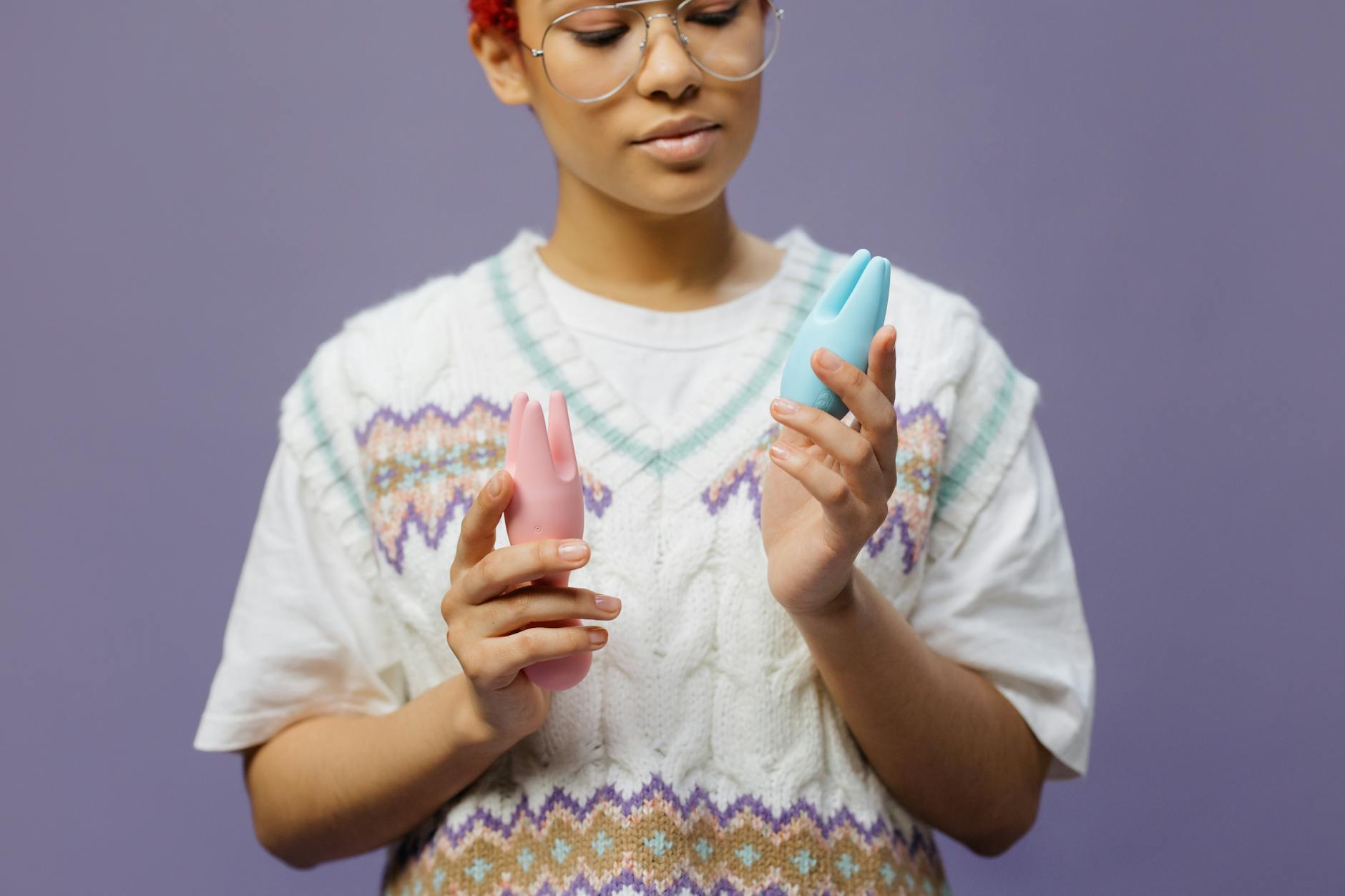
Photo by cottonbro studio on Pexels
How to actually use it when desire is low on both sides
Sometimes the mismatch isn't about one person having high desire and one having low. Sometimes you're both exhausted. Sometimes you both want sex but haven't had it in so long that it feels awkward to start again.
A lemon vibrator can be a bridge back in. Here's how.
Start with yourself. Spend a few weeks using the lemon vibrator solo. Get reacquainted with your own pleasure without any pressure. This is radical self-care, not selfishness.
Then invite your partner to watch, if they want to. No performance. No trying to turn them on. Just you, experiencing your own body. Sometimes watching pleasure is more arousing than being asked for it directly.
If they want to join in, great. If not, that's also okay. But you've reminded both of you that pleasure still exists in your relationship.
Many couples find that once one person has reclaimed their own pleasure, the desire gap shrinks naturally. Not because the vibrator fixed anything, but because shame dissolves and curiosity returns.
When to get professional help
If the desire mismatch is so wide that one person has completely checked out of the relationship, a lemon vibrator isn't going to repair that. Neither is any toy or technique.
See a couples therapist if:
Your partner has zero interest in any physical intimacy and refuses to discuss why. The loss of desire is sudden and unexplained. You're using the vibrator as a replacement for having a real conversation. The resentment has gotten so deep that even mentioning sex causes a fight.
A therapist can help you figure out whether the mismatch is fixable or whether you're in a relationship that no longer serves both people. That's not a failure. That's clarity.
The permission part
What a lemon vibrator actually does is give you permission to have pleasure in a relationship where pleasure has become fraught. It says: your needs are real. They don't stop being real just because your partner can't meet them right now. You deserve orgasms. You deserve to feel good. You deserve to take care of yourself without guilt.
That permission is the real tool. The lemon vibrator is just the thing you hold while you practice claiming it.
FAQ: Desire mismatch and lemon vibrators
How long should I wait after introducing a lemon vibrator before trying couple sex again?
There's no timeline. Some couples reconnect quickly once the pressure lifts. Others need months. The key is that you're both willing to try. If your partner is still completely disinterested in any physical intimacy after several weeks of you using the vibrator solo, that's the signal that you need a therapist, not more time.
Will my partner feel emasculated if I use a lemon vibrator?
Some will, and some won't. A lot depends on their attachment style and how they were raised to think about sexuality. The best approach is to be explicit about what the vibrator means to you. It's not a replacement. It's a release valve. It's you refusing to resent them. If they're still threatened after an honest conversation, that's their work to do, possibly with a therapist.
Can we use a lemon vibrator together if we're both experiencing low desire?
Absolutely. A lemon clitoral vibrator can actually be easier to use together than manual stimulation because it requires less performance. One person can use it on themselves while the other is present, or your partner can use it on you. The pressure is lower, which means arousal can build more naturally.
Is using a lemon vibrator a sign the relationship is failing?
No. It's a sign that you're being intentional about your own pleasure instead of waiting for your partner to want you. That's actually a sign of a healthy relationship. The couples I see thrive are the ones who can talk about desire mismatches and find creative solutions together.
What if my partner wants to use a lemon vibrator on me but has zero interest in having sex?
That's fine if you're okay with it. Some people enjoy the sensation of being stimulated without the full experience of sex. But if you're hoping this will lead back to sex and it doesn't, you'll need to have a conversation about whether this arrangement meets your needs long-term.
Should I hide my lemon vibrator from my partner if they're uncomfortable with it?
No. Secrecy compounds shame. Have the conversation. If they're genuinely uncomfortable, you can decide together how to navigate it. But hiding it will make everything worse. Honesty, even when it's awkward, builds trust.
The bigger picture
When desire goes missing in a relationship, it's tempting to think one person is broken or the relationship is broken. Sometimes that's true. But more often, both people are just stressed, depleted, or out of sync. A lemon vibrator doesn't fix that. But it does give you space to have pleasure without waiting for permission, without feeling rejected, and without building resentment.
That space is where actual intimacy can grow back in. Not because a toy fixed it. Because you both decided that pleasure, in whatever form, still matters.