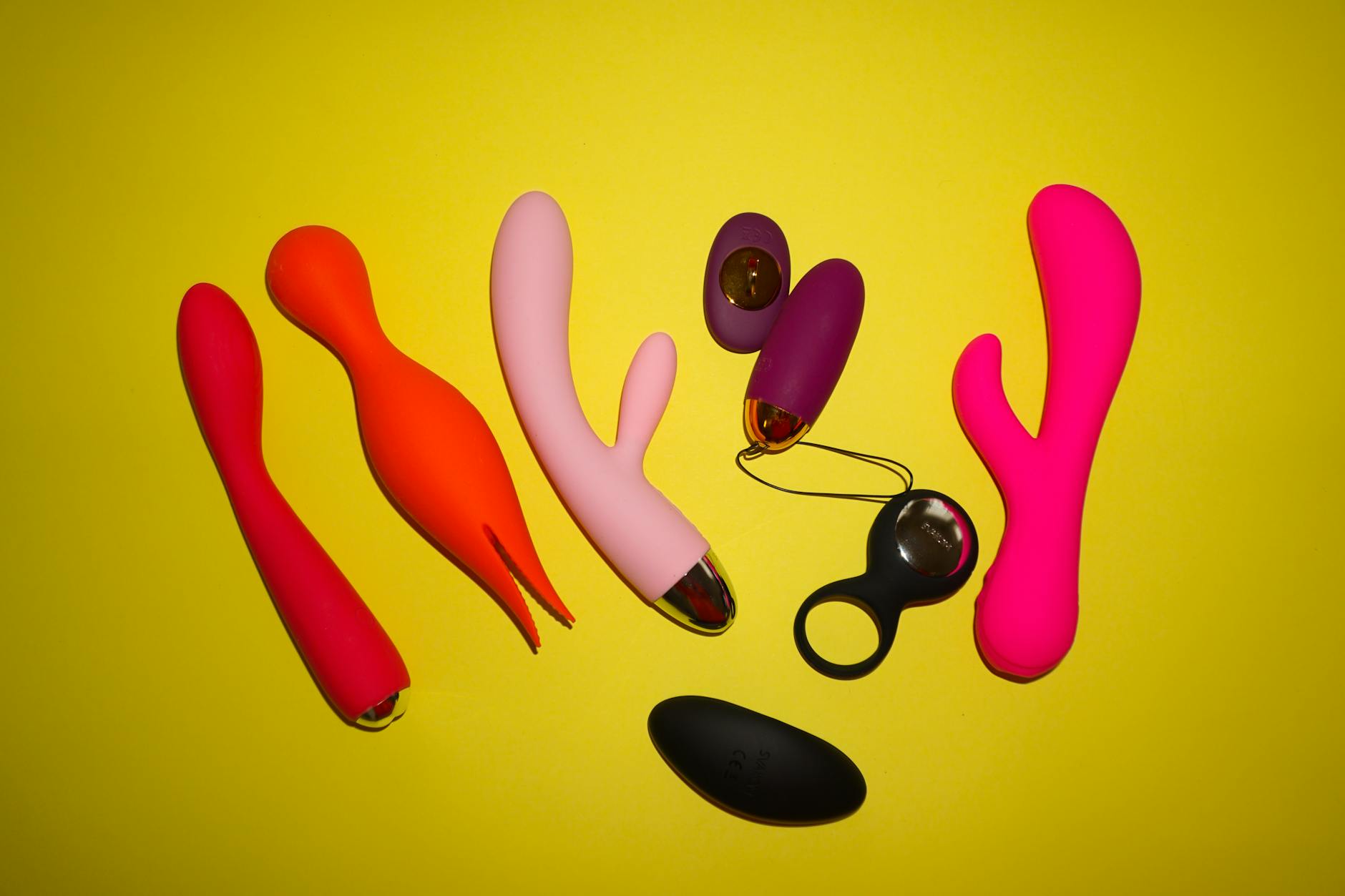
Here's the thing about vibrators and partnerships
Introducing a lemon vibrator to your relationship is not actually about the vibrator. It's about permission. Permission to ask for what feels good. Permission to say no. Permission to want something different from what you've been doing for years. Most couples skip that part and jump straight to logistics, which is why it gets weird.
I've worked with hundreds of couples navigating this transition, and the pattern is always the same. One person brings it up nervously. The other person hears it as criticism. Suddenly you're both defending positions neither of you actually holds. That's not about the toy. That's about feeling safe enough to change the rules mid-game.
Why this conversation matters more than you think
When you've been intimate with someone for years, there's an unspoken script. You both know the rhythm, the cues, the finish line. A vibrator is a prop that signals something unexpected is happening. For some partners, that reads as "you're not enough," even though that's not what anyone's actually saying.
Here's the data twist: couples who introduce toys report higher satisfaction overall, not just sexually. Why? Because the conversation itself rewires the relationship. It forces you to talk about pleasure, desire, and boundaries in a way you probably haven't since early dating. Once you've done that, everything else gets easier.
Starting the conversation outside the bedroom
Don't bring this up in bed. Don't bring it up during sex. Bring it up over coffee, or on a walk, or basically anywhere that's neutral ground and fully clothed.
The frame matters enormously. You're not saying "I need something you're not giving me." You're saying "I want to explore something together." There's a psychological difference, and your partner will feel it.
If you're nervous, you can literally say that. "I'm a little nervous bringing this up because I want you to know it's not about you." That signals honesty and vulnerability, which actually makes most partners soften.
Let them ask questions. Don't overwhelm them with information. If they ask why you want to try this, give a real answer: maybe you've read about lemon clitoral vibrators and got curious, maybe you want to extend foreplay, maybe you're dealing with hormonal changes after starting HRT and want to explore what works now. Whatever it is, be honest.
The actual introduction
When you do bring it into the bedroom, treat it casually. This is not a Big Moment. It's another tool, like lube or a new position.
Start with foreplay. A lemon vibrator works best when you're already aroused, so don't skip the warm-up. Use it together. Let your partner hold it. Show them how you like the sensation. This is information sharing, not performance review.
Here's what happens in most partnerships: one person is using the vibrator and the other is just watching, which makes both of you self-conscious. Instead, frame it as exploration. "What do you think about this pattern?" "Does it feel good if I angle it like this?" You're collaborating, not performing.
The pressure paradox
One of the most counterintuitive things about partnered pleasure is this: the moment you stop trying to come, you're more likely to. The moment you stop worrying about whether your partner is enjoying themselves, they're more likely to.
Pressure kills arousal. Full stop. So if you bring a lemon vibrator into the situation specifically because you want an orgasm right now, you've just sabotaged yourself. Use it because you're curious. Use it because it feels good. Use it because you want to spend more time exploring your body together.
Many couples find that using a vibrator actually takes performance pressure off because it's not about what either of you is doing manually. It's not a skill thing. It's just sensation.
What to expect emotionally
Some partners feel left out, even though logically they know they're not. Their brain reads "vibrator" as "replacement," even when their mouth knows better. That's not irrational. That's how long-term attachment works. You've built an intimate blueprint together, and anything that changes that blueprint can feel destabilizing.
Here's what helps: stay connected while using it. Touch them. Make eye contact. Talk to them. "This feels amazing, and I love that we're doing this together." That's not saying it's better than partnered sex. You're just honoring what's happening.
Some people also feel relieved. Sex suddenly becomes less about one person trying to be everything and more about exploration together. That's healthy. Both reactions are normal.
Integrating it into your regular routine
Don't let the vibrator become the only way you have sex, and don't save it for special occasions. Use it sometimes. Don't use it sometimes. Let it be boring and normal.
If you're consistently using a vibrator to orgasm and your partner isn't involved in that process, you've missed the point of this whole conversation. This isn't about upgrading your solo sessions. It's about deepening what you do together.
For people with vulvas who've been having sex for years without vibration, lemon clitoral vibrators can feel shocking at first. That's fine. You don't have to love it immediately. You might love it after three uses. You might never love it, and that's also fine.
When to use it and when to skip it
You don't always need a vibrator. Sometimes the most connected sex is skin-on-skin, low-pressure, slow. Sometimes you both want to prioritize penetration or manual stimulation. The vibrator is one option, not the only option.
Honestly though, a lot of people introduce a lemon vibrator expecting it to "fix" a desire mismatch or a pleasure gap. It won't. If sex has felt stale or disconnected, the vibrator might help you explore differently. But the real work is the conversation. The vibrator is just the excuse to have it.
Signs you're doing it right
You're both laughing a little. You're both curious. Neither of you feels like you're performing for approval. Your partner asks questions about how it feels instead of just watching. You feel comfortable saying "not tonight" without shame. You can joke about it. You can ask for something different next time.
If all of that is true, you've actually nailed the hard part. The vibrator itself is secondary.
FAQ
Can a lemon vibrator strengthen my relationship?
Not directly. But the vulnerability required to introduce it, and the communication that follows, absolutely can. You're forcing a conversation about desire and pleasure that most long-term couples avoid. That conversation is the strengthening force. The toy is just the medium.
What if my partner thinks I'm suggesting they're not enough?
That's a trauma response to your partner, not a fact. Acknowledge it. "I know this might feel that way, and I get why. That's literally the opposite of what I'm saying." Then be patient while they work through it. Don't over-defend. Give them time to adjust to the idea.
Should we use it in every sex session?
No. Variety is the actual point. Sometimes penetration. Sometimes manual. Sometimes vibrator. Sometimes slow and connected. The goal is for partnered sex to feel like a conversation, not a script.
What if I want to use a lemon vibrator and my partner doesn't?
Then you have two separate conversations. You can use a vibrator in your solo sessions. That's completely normal and healthy. But partnered pleasure requires agreement. Respect that, and ask what would make them comfortable. Maybe they need more time. Maybe they need to understand the logistics better. Maybe they want to try a different approach. Listen.
How do I know if we're using it wrong?
If either of you feels embarrassed, inadequate, or like you're not supposed to be there, you're doing it wrong. Pause. Talk about what just happened. That awkwardness is information. It's telling you something about your expectations or fears. Honor that. Try again when it feels safe.
Can we use a lemon vibrator if we're long-distance?
Yes, and some couples find it particularly helpful for maintaining intimacy across distance. Video calls with a vibrator can feel more connected than you'd expect. Talk about boundaries and privacy beforehand.
The real takeaway
Introducing a lemon vibrator to your partnership is an act of vulnerability and trust. You're saying "I want to explore this with you," which is actually you saying "I trust you enough to want something different." That's profound. Treat it that way. Skip the performance. Skip the pressure. Just be curious together. The rest follows naturally.