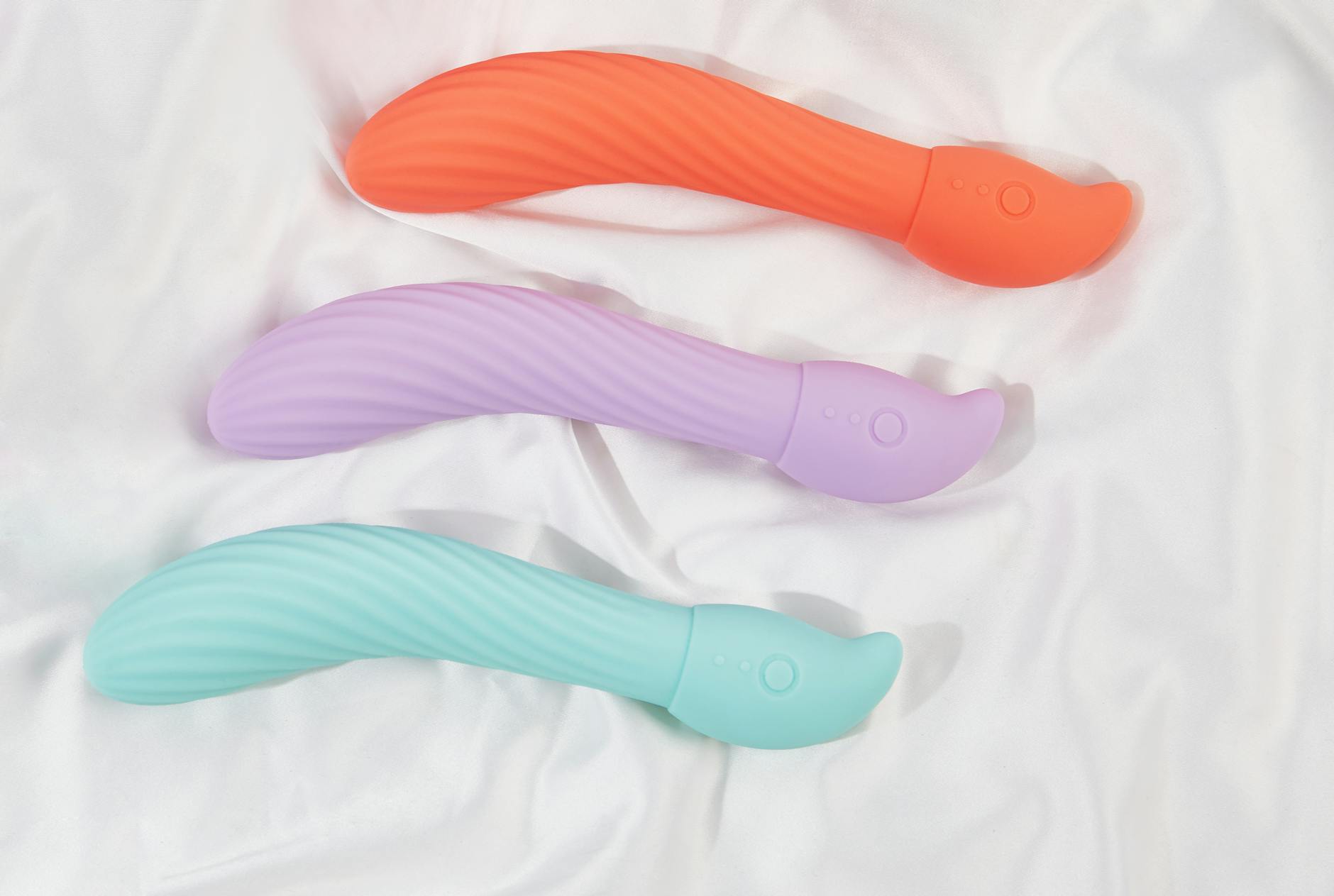
Here's the thing about sensitive skin and pleasure
Sensitive skin doesn't disqualify you from using a lemon vibrator. It just means you need to be intentional about materials, prep, and what you're putting on your body. The good news: lemon vibrators are actually excellent for sensitive skin because the air-suction design doesn't require the kind of friction that traditional vibration can trigger.
The better news: once you dial in what works, your sensitivity often becomes an advantage. People with sensitive skin tend to have more responsive nerve endings, which means more sensation, faster arousal, and often more intense experiences.
Why material matters more than you think
The surface touching your skin during a lemon vibrator session matters because it's in direct contact with some of the most delicate tissue on your body. Here's what you need to know.
Medical-grade silicone is the gold standard. It's non-porous, doesn't absorb bacteria or lube residue, and is hypoallergenic for most people. Most Hello Nancy products use medical-grade silicone specifically because it's safe for sensitive skin and doesn't degrade when you clean it properly.
If you have a latex allergy, avoid any toy with a latex coating or finish. Check the product materials list before buying. Some vibrators use cheaper silicone blends that can trap bacteria or irritants. The Lemon Vibrator uses only medical-grade silicone, so you're starting from a safe baseline.
Plastic, jelly, or rubber toys are harder to clean and can leach chemicals into sensitive skin. Skip them entirely if you're prone to irritation.
The three prep steps that prevent most problems
Before you use any lemon clitoral vibrator, these three things happen.
Step 1: Clean it thoroughly. Wash your vibrator with warm water and fragrance-free soap (like Cetaphil or CeraVe bar soap) before the first use and before every session. Dry it completely with a clean, lint-free cloth. This removes dust, oils, and manufacturing residue that can irritate sensitive skin.
Step 2: Choose your lubricant carefully. This is non-negotiable. Use only water-based lubricant with sensitive skin because it's less likely to trigger reactions. Avoid lubricants with glycerin (which can feed yeast infections in some people), petroleum, or heavy fragrance.
Better choices: Yes Lubricant, Sliquid Naturals H2O, or Hyalo Gyn. These are fragrance-free and formulated for sensitive genital skin. Apply lube generously to your skin, not to the vibrator, so you can control the amount.
Step 3: Start low and slow. If this is your first time using a lemon vibrator or you're introducing it to sensitive skin, begin on the lowest setting. Air-suction works by creating gentle pulses around the clitoral hood. The Lemon's suction begins at a mild pressure on Setting 1. Spend at least 10 minutes at this level before moving up. Your skin needs time to adjust and signal whether it's comfortable.
What to do if irritation appears
Mild redness or slight swelling can happen, especially if your skin is reacting to a new texture or material. Here's how to tell the difference between normal sensitivity and a real problem.
Normal adjustment: mild warmth, slight pinkness that fades in 30 minutes, no pain. If this is what you're seeing, you're likely fine. Reduce intensity next time and take longer breaks between sessions.
Actual irritation: burning that doesn't stop after 10 minutes, persistent redness, itching, or a rash that spreads beyond the immediate area. Stop immediately, rinse with cool water, and don't use the vibrator for 24 hours. If irritation persists after a day, see a dermatologist. It might be a material sensitivity or a sign that a pre-existing skin condition needs attention.

Photo by cottonbro studio on Pexels
Common allergies and how to navigate them
If you have known allergies, here's what's safe.
Latex allergy. Avoid any vibrator with latex coating. Medical-grade silicone vibrators like the lemon sucker are latex-free. Always check the product description.
Fragrance sensitivity. Never use fragranced lubricants or cleaning products. Wash your vibrator and your hands with plain water or fragrance-free soap. Some soaps marked "unscented" actually contain fragrance to mask the base scent. Look for "fragrance-free" explicitly.
Nickel or metal sensitivity. Some vibrators have metal charging contacts. If you're sensitive to nickel, check the materials. Many lemon clitoral vibrators use stainless steel or gold-plated contacts, which are safer. If you're unsure, contact Hello Nancy customer support before ordering.
Lubricant allergies. If you're allergic to propylene glycol (found in some water-based lubes), Hyalo Gyn or Sliquid Organics are good alternatives. If you're allergic to paraben preservatives, look for paraben-free formulas. Some people react to methyl isothiazolinone, a common preservative, so read labels carefully.
Timing and frequency for sensitive skin
Sensitive skin sometimes means you need more recovery time between sessions. This isn't a limitation. It's information.
Wait at least 24 to 48 hours between sessions if you're brand-new to lemon vibrators or if your skin felt irritated at all during or after. Your delicate tissue needs time to return to its baseline. This is completely normal and doesn't mean the vibrator isn't right for you.
Once you've used it several times without irritation, you can shorten the gap. Many people with sensitive skin find they can use a lemon vibrator two to three times a week comfortably. The key is listening to your body. If you notice any discomfort starting, extend the gap again.
Storage and cleaning to prevent buildup
How you store your vibrator directly affects whether it irritates sensitive skin on the next use.
Store it in a clean, dry place, ideally in a breathable pouch or cotton bag (not plastic, which traps moisture and bacteria). Never leave it in a humid bathroom. Moisture breeds bacteria and fungus, which absolutely will irritate sensitive skin.
Clean it after every use with warm water and fragrance-free soap. Dry it completely before storing. Once a week, do a deeper clean by soaking it in a mixture of equal parts white vinegar and water for 5 minutes, then rinsing thoroughly and drying. This removes any lubricant residue or bacteria buildup that can accumulate over time.
When to talk to a dermatologist or OB-GYN
If irritation persists despite following all these steps, or if you develop a rash, burning, or discharge after using a lemon vibrator, see a doctor. You might have a fungal or bacterial infection, a contact dermatitis to something in the lubricant, or an underlying skin condition that needs treatment.
Bring the vibrator with you if you're comfortable doing so, so your provider can see exactly what material you're using. Some dermatologists are more familiar with this conversation than others. If yours dismisses your question, find one who takes it seriously. Your pleasure and health both matter.
The reality check
Thousands of people with sensitive skin use lemon vibrators without problems. The air-suction design is actually gentler than traditional vibration because it doesn't create sustained friction. You're not broken, and you're not limited. You just need to be methodical about materials, preparation, and listening to your body.
Start with medical-grade silicone, use fragrance-free lubricant, begin on the lowest setting, and give your body time to adjust. Most irritation happens because of rushed prep or wrong lubricant choice, not because of the vibrator itself.
FAQ: Sensitive Skin and Lemon Vibrators
Is medical-grade silicone really hypoallergenic?
For most people, yes. Medical-grade silicone is non-porous and doesn't leach chemicals. However, rare silicone allergies do exist. If you've reacted to silicone products before, talk to your doctor before using any silicone vibrator. If you've never had a reaction, medical-grade silicone is one of the safest materials available for sensitive genital skin.
Can I use a lemon vibrator if I have a yeast infection or bacterial vaginosis?
No. Wait until you're fully treated and symptom-free. Using any vibrator during active infection can spread the infection or cause additional irritation. Once you've completed treatment and your doctor confirms it's clear, you can resume. Clean the vibrator thoroughly before using it again.
What's the best lubricant for sensitive skin and a lemon vibrator?
Water-based lubricants without glycerin are ideal. Yes Lubricant, Sliquid Naturals H2O, and Hyalo Gyn are all formulated for sensitive skin. Apply it generously to your skin, not the vibrator. This gives you better control and reduces the chance of buildup on the device itself.
Does air-suction feel different on sensitive skin than vibration does?
Yes, and most people with sensitive skin prefer it. Air-suction creates gentle pulses around the clitoral hood without the sustained friction of traditional vibration. It's often less likely to cause irritation, and many people with sensitive skin report more intense sensation because the tissue is more responsive.
How long does it take sensitive skin to adjust to a new vibrator?
Three to five sessions. Your body needs exposure time to register the sensation as safe and pleasurable. Start on the lowest setting and gradually work up over a few sessions. If you're not feeling comfortable by the fifth use, it might not be the right fit. That's okay.
What should I do if I have a reaction but still want to use a lemon vibrator?
First, figure out what caused the reaction. Was it the material, the lubricant, the pressure, or the frequency? Test one variable at a time. Try a different lubricant while keeping everything else the same. Or lower the intensity. Or extend the time between sessions. Once you identify what works, you can build from there. If none of those adjustments help, it might be worth scheduling a consultation with a dermatologist before trying again.