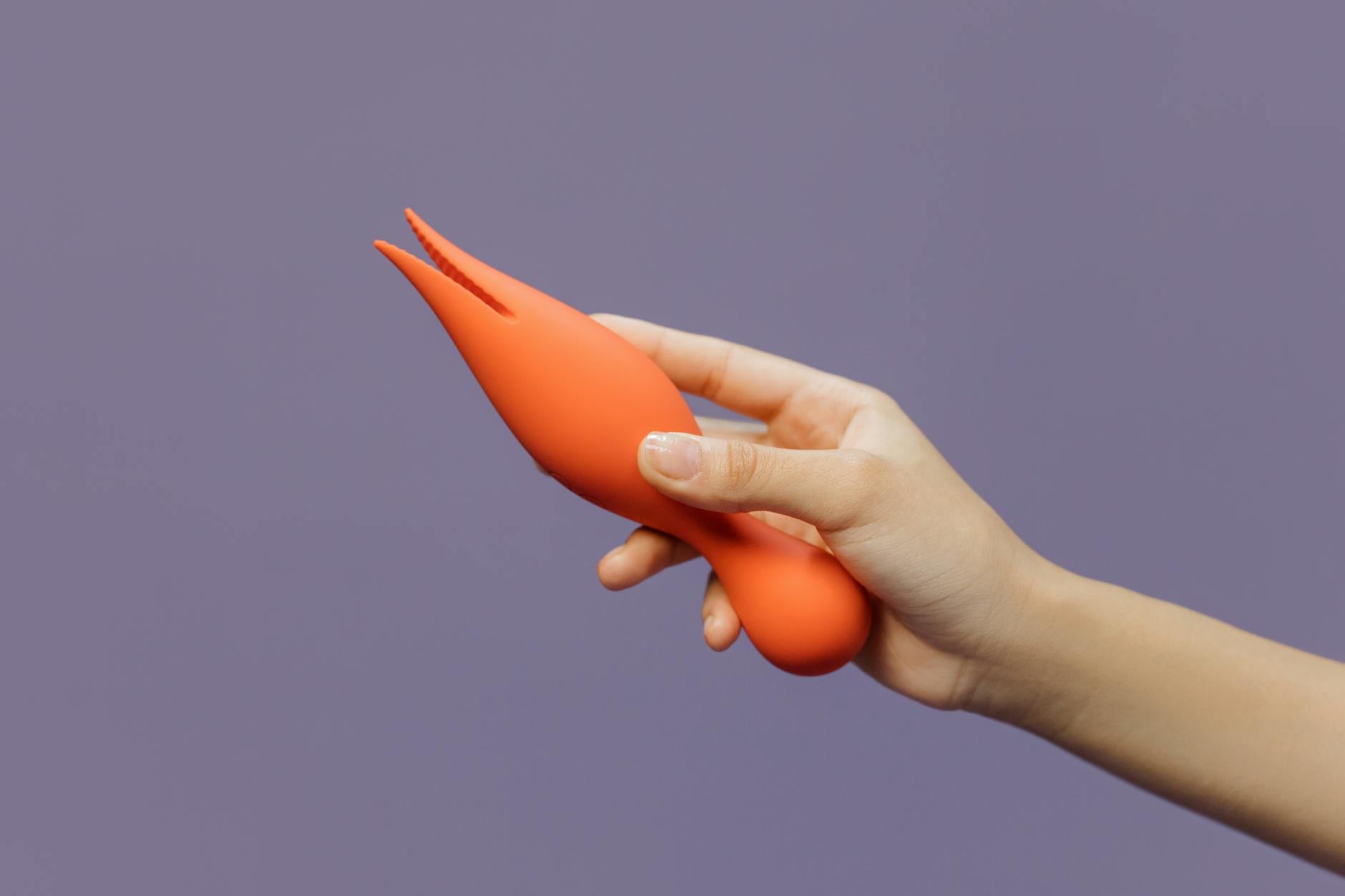
How to Use Lemon Vibrators for Better Sensation When Medication Dulls Pleasure
Let's be real. Your medication is keeping you stable and functional. It's also making it harder to feel anything below the neck, and nobody warned you that would happen.
The numbness isn't in your head. SSRIs, SNRIs, antipsychotics, antihistamines, and blood pressure meds all have the same side effect: they dampen the nervous system's ability to register pleasure. Not desire itself. Not your capacity for orgasm. But the sensation of building toward it, the urgency, the hot feeling in your skin. That gets muted.
The good news is that lemon clitoral vibrators like the Lem work differently than the stimulation your body has stopped registering. They create a chain reaction in your nervous system that bypasses the numbed pathways and reactivates what medication has quieted. Here's how to use them intentionally when medication is a factor.
What medication actually does to sensation
SSRIs (like sertraline, paroxetine, fluoxetine) and SNRIs (venlafaxine, duloxetine) increase serotonin in the brain but also in the gut and genital tissue. More serotonin calms anxiety, which is the point. It also dampens the neurotransmitters that fire during arousal, erection, lubrication, and orgasm. It's not a mood thing. It's pharmacological.
Antipsychotics like quetiapine and aripiprazole do something similar by blocking dopamine, which is central to desire and pleasure. Some antihistamines and decongestants dry out tissues directly. Blood pressure meds reduce blood flow to the genitals.
The result is the same: the sensation feels distant, like you're touching someone else's body instead of your own. Orgasm becomes possible but requires more time and stronger stimulation. Many people on these medications say they don't feel pleasure at all, just relief when they finally reach the finish line.
Here's the part nobody mentions. Your clitoral nerves are still there. Your capacity for pleasure hasn't changed. The pathways are just overwritten, temporarily, by chemistry. A lemon sucker vibrator works because it uses a completely different sensory mechanism than regular touch.
Why suction-based lemon vibrators work when touch doesn't register
Regular vibrators (and regular touch) rely on friction, pressure, and the subtle movement of tissue. When medication has dampened your sensory perception, that feedback loop stops working. You feel less sensation per unit of stimulus.
Suction-based clitoral vibrators like the Lem create rapid changes in pressure around the clitoris. This activates a different set of nerve endings than simple vibration does. It's not just stimulation. It's a pattern of micro-compressions that bypasses the dulled sensory filter and creates its own signal your nervous system can't ignore.
Think of it like turning up the volume. When the radio is too quiet, you don't listen more carefully. You need actual amplification.
Starting slow when sensation is already muted
The instinct when you can't feel anything is to go hard immediately. Resist that. Your nervous system is already running at lower sensitivity. You need to train it back to responsiveness, not shock it.
Start on pattern 1 or 2 on the Lem. Use it for 3 to 5 minutes without expecting anything. This isn't a performance session. You're introducing your body to a new sensation and letting the nerve endings remember how to respond.
Many people on medication find that sensation actually improves over 3 to 5 sessions. Your nervous system adapts. The signal gets stronger relative to your body's baseline. This is real and documented.
Combining lemon vibrators with longer warm-up time
Medication doesn't just affect genital sensation. It slows arousal overall. You need 20 to 30 minutes of low-pressure attention before the Lem will feel like anything worth having.
Start with touch to non-genital areas. Your neck, inner thighs, breasts if you have them. Not because you'll suddenly feel all this and get aroused. But because you're giving your nervous system a long runway to start firing the arousal circuits at all.
Then move to external stimulation without the vibrator. Give yourself 10 minutes of gentle touch around the vulva, not on the clitoris. The goal is to draw blood to the area and prepare the tissue.
Only then use the lemon clitoral vibrator. By that point, you've primed the system. The suction will feel stronger because your body is already partially activated.
When to adjust your medication conversation with your doctor
Not every medication causes sexual side effects equally. Some people on SSRIs have zero problems. Others lose sensation completely on the same dose.
If the Lem and warm-up strategies aren't creating any sensation after 4 to 5 weeks of consistent use, talk to your prescriber. There are often alternatives: switching to a different SSRI, adjusting the dose, adding a second medication that counteracts sexual side effects, or timing your dose differently.
Don't assume you have to choose between mental health and pleasure. Most of the time you don't. It just takes a conversation and sometimes trial and error.
Working with a partner when medication is involved
If you have a partner, the numbness can feel like rejection of them even though it's literally a chemical side effect. That gap between what they feel happening and what you feel (nothing) creates confusion and hurt.
The most useful thing you can do: use the lemon vibrator on your own first. Not because partnered sex is off the table, but because you need to relearn your own sensation without an audience or performance pressure. When you can feel something with the Lem, bring that knowledge into partnered time. "I can feel this pattern on the Lem. Let's try something similar together." That's concrete and actionable, not vague or rejecting.
Managing expectations around medication and pleasure
You may not return to the sensation you had before medication. That's worth sitting with. Some people do. Others find that after months or years on their current medication, a new baseline of pleasure emerges that's different but real.
What almost always happens: sensation improves. Not back to baseline. Better than the numb place you're in now. A lemon clitoral vibrator accelerates that process because it creates stimulation your nervous system hasn't learned to ignore yet.
When numbness is also emotional
Medication can numb sensation. Stress, depression, and relationship disconnection can do the same thing. If you're numbness came on suddenly or got worse over months, check in with yourself about what else might be happening.
The Lem can help restore physical sensation. But if emotional numbing is part of the picture, that's a different conversation. Therapy, reconnection with your partner, or adjusting your medication might all be necessary.
Medication keeps you well. Lemon vibrators help you remember what pleasure feels like while you're on it. Both things can be true.
FAQs
Will using a lemon vibrator interfere with my medication?
No. The Lem is a mechanical device. It doesn't interact with SSRIs, SNRIs, antipsychotics, or antihistamines. It works by creating physical sensation your nervous system can register even when medication has muted other forms of touch. Using it doesn't change how your medication works or reduce its effectiveness.
How long does it take for sensation to come back when using a lemon clitoral vibrator?
This varies widely. Some people feel a difference in the first session because suction creates such a different stimulus. Others need 3 to 5 sessions before sensation builds. Most people on medication find that consistent use over 2 to 4 weeks creates noticeable improvement. The key is patience. Your nervous system is learning a new pathway.
Can I use a lemon vibrator if I'm also numb from other causes?
The same strategies work for numbness from diabetes, pelvic floor tension, or other sources. Suction-based stimulation bypasses direct touch, which is why it's effective when regular vibration or friction doesn't register. If you have a specific medical condition causing numbness, check with your doctor before starting anything new, but clitoral vibrators are generally safe and often helpful.
Should I tell my partner I'm using a lemon vibrator because of medication side effects?
That depends on your relationship. If you have an intimate partner, transparency helps. Framing it as "My medication affects sensation. I found something that helps me feel again" is very different from hiding it. Most partners feel relieved when they understand it's not about them. Using the Lem solo is part of reclaiming your own body. Sharing that progress with a partner, if you have one, can actually deepen connection.
What if the Lem feels too intense when I already have numbness?
Start on the lowest pattern. Use it for only 2 to 3 minutes. Take a break. Your nervous system may interpret the suction as too strong if sensation is already muted and you're not expecting a new type of stimulation. Give yourself permission to go slow. The sensitivity usually improves with repeated exposure.
Is it normal for sensation to feel different or "weird" at first with a lemon suction vibrator?
Completely normal. When you've been numb for months, any new sensation can feel strange or overstimulating. It's not a sign something is wrong. Your nervous system is relearning how to respond. After 2 to 3 sessions, most people say the weird feeling shifts to something more pleasurable. Consistency matters more than intensity.
What comes next
Medication is keeping you alive. Pleasure is keeping you human. They don't have to compete. A lemon clitoral vibrator creates a bridge between the chemical reality of medication and the physical sensation your body deserves. Start slowly, give yourself grace, and if you're struggling with this on your own, reach out. We're here to help you rebuild what medication has quieted.
If you want to talk through what might work best for your body and medications, get in touch with us. You're not the first person to navigate this, and you won't figure it out alone.