Let's start with what nobody tells you
Your clitoris is not a light switch. It's not wired to flip on in thirty seconds, and it doesn't need to be. The pressure to orgasm quickly—the cultural script that says arousal should be automatic and efficient—is one of the biggest pleasure thieves I see in my practice. If your clitoris needs fifteen, twenty, or thirty minutes of sustained attention before it even starts to wake up, that's not a problem. That's just your body.
The real issue is that most people give up at minute eight.
Why some bodies need a longer runway
There are several reasons your clitoris might prefer a slow burn. Some are physiological, some are psychological, most are both tangled together.
Arousal baseline. Everyone has a different starting point. Your nervous system might need more time to transition from daily stress into pleasure mode. This is especially true if you're carrying tension in your body, or if your mind is half-present somewhere else (and honestly, whose isn't?).
Tissue sensitivity. If your clitoris is less responsive to direct touch, jumping straight to high-intensity vibration can feel numb or overwhelming without proper warm-up. The tissue needs time to become engorged and more sensation-aware.
Medication effects. Certain medications—antidepressants, blood pressure drugs, antihistamines—slow arousal as a side effect. This isn't laziness; it's chemistry. Lemon vibrators and extended foreplay are often the most effective workaround.
Anxiety or dissociation. If you tend to leave your body during sex, a rushed approach makes that worse. A long, intentional warm-up actually brings you back into your body, makes you more present, and deepens the whole experience.
Age and hormonal shifts. As estrogen shifts, some people's arousal gets slower before it gets faster. This is temporary and normal, not a sign that pleasure is fading.
The pattern most of my clients describe: "I thought something was wrong with me, then someone gave me permission to take more time, and suddenly everything changed."
Why lemon vibrators work for slow-burn bodies
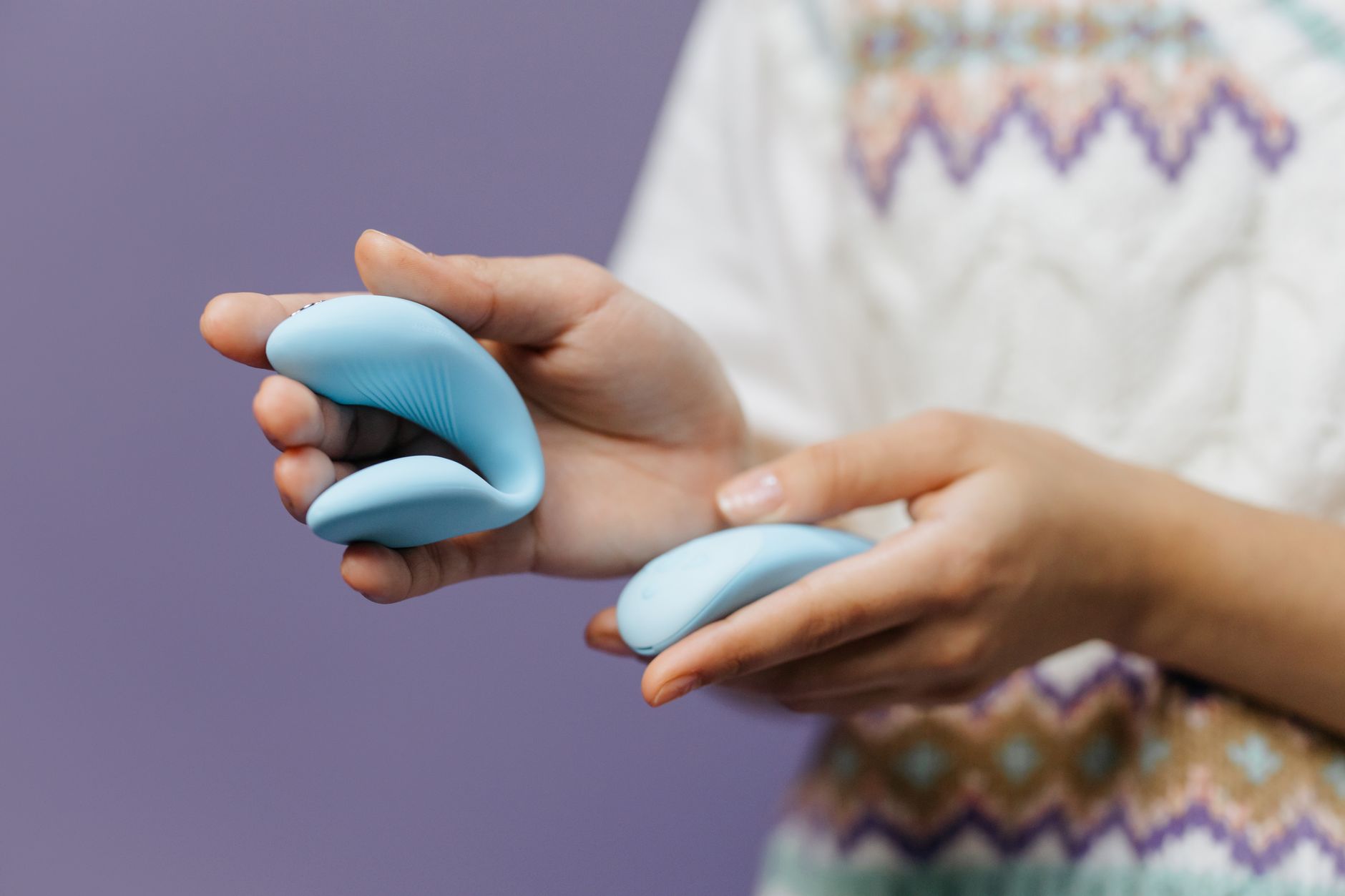
A clitoral suction vibrator like the Lemon works beautifully for bodies that need a longer warm-up because it does something different than traditional vibrators. Instead of direct percussion, suction stimulates the entire clitoral cluster through gentle pressure and release. You can start at a lower setting—pattern 1 or 2—and the sensation is satisfying without being overwhelming.
That means you can stay there. You don't have to rush to a higher setting to "feel something."
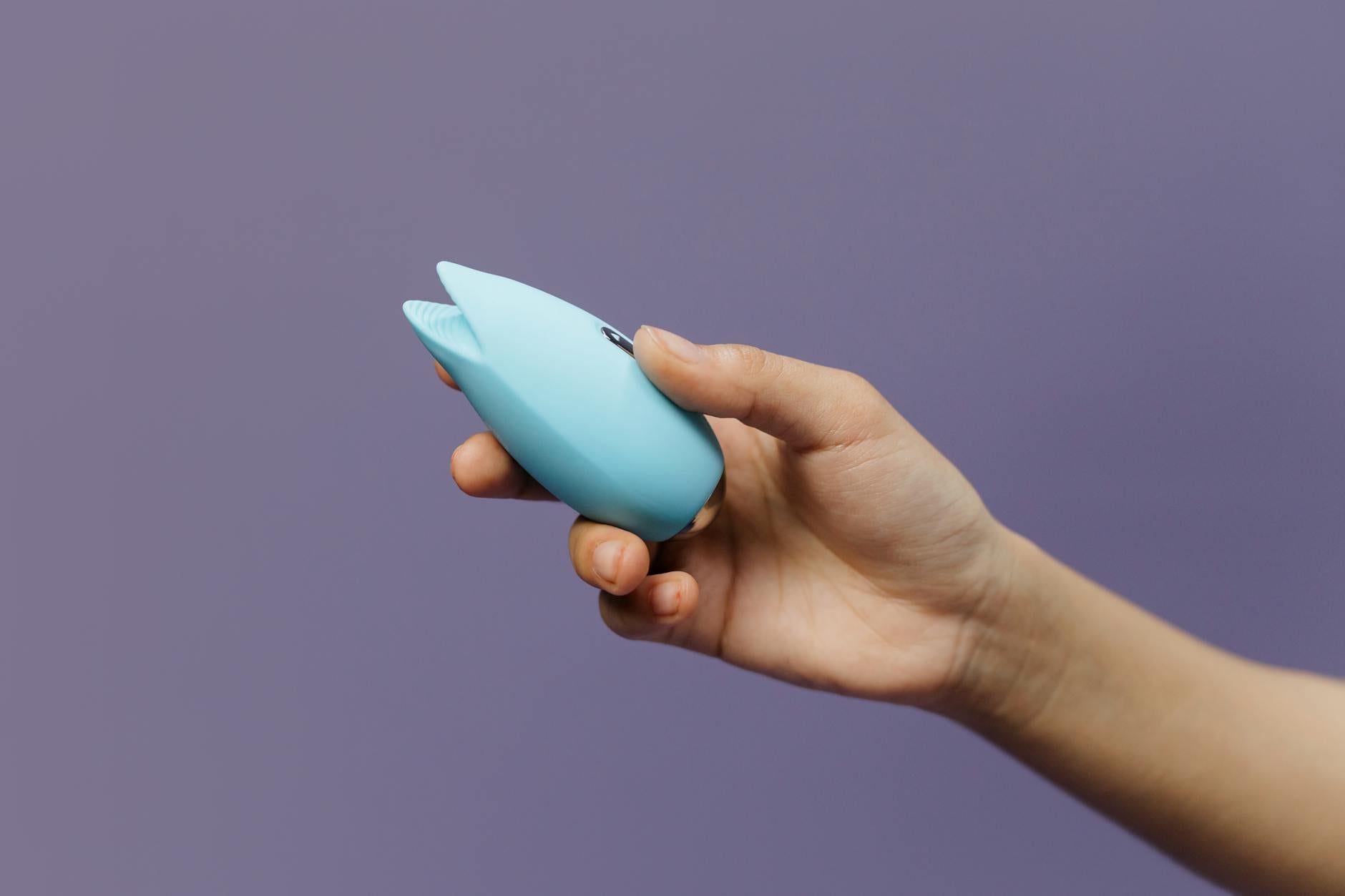
Photo by cottonbro studio on Pexels
With a slow-burn arousal pattern, the goal isn't to reach peak sensation in five minutes. It's to build a steady, reliable chain reaction in your nervous system. Suction vibrators let you control the pace without sacrificing pleasure. You can spend twenty minutes at pattern 2, building incrementally, and by the time you reach pattern 4, your whole body is already primed.
The warm-up sequence that actually works
Here's the framework I recommend to clients with slower arousal:
Phase one: Mental transition (5-10 minutes). Before you touch your body, create the actual conditions to transition your brain. Put the phone away. Turn off notifications. Light something, play something, or just sit quietly. Your clitoris can't wake up if your mind is at work.
Phase two: External touch (5-10 minutes). Touch your whole body first—breasts, inner thighs, your vulva over underwear. This wakes up the nerve endings and gets blood flowing. Skip this if you want, but I rarely see slow-burn bodies benefit from jumping straight to the toy.
Phase three: Introduction to the vibrator (5-15 minutes). Start with the Lemon on a lower pattern (1 or 2) over your clothes or with minimal pressure. You're not trying to orgasm yet. You're just letting your nervous system get curious. Many people find this phase extends longer than they expect—which is fine. Arousal is not on a timer.
Phase four: Building intensity (5-20 minutes). Once you feel consistent sensation and your body is responding, you can move to higher patterns or adjust placement. But here's the key: you don't move up because you "should." You move up because your body asks for it.
Phase five: The approach (however long it takes). Some people need to stay at pattern 3 for fifteen minutes before the final surge hits. Others find that once Phase Four begins, orgasm comes quickly. Both are completely normal.
What NOT to do when you have a slow-burn clitoris
Don't jump straight to the highest setting hoping intensity will create arousal faster. It won't. It'll just numb you or frustrate you.
Don't assume you're broken if you need to use your vibrator for twenty minutes. That's not a malfunction. That's foreplay working.
Don't interrupt your own arousal by checking in on your progress. "Am I close yet?" derails the whole process. Your body knows how to respond; your job is to create the conditions and get out of the way.
Don't always use a vibrator the same way. If you've been using the Lemon at one spot for years, try rotating to a slightly different position or angle. Novelty can restart a stalled arousal pattern.
Don't treat this as a problem you need to solve. You're not broken. You're not slow. You're a body that prefers depth over speed, and that's actually where the best orgasms live.
The partner conversation, if you have one
If you're with a partner, the most useful thing you can do is name this clearly: "I need about twenty minutes of foreplay before my body is ready. This isn't about you or your effort. It's just how I'm wired."
Then show them where it goes. Let them watch you use your Lemon. Let them understand the rhythm. Some partners find this incredibly hot. Others find it liberating because suddenly they're not responsible for "getting you there" in a certain timeframe.
When your partner is hesitant about vibrators in general, frame it differently: "This isn't about replacing you. It's about creating the condition where I can actually feel you."
A slow-burn body often needs clitoral stimulation throughout partnered sex, not just before. Lemon vibrators are portable, easy to hold, and can be used during penetration. Many of my clients find that using their vibrator during sex allows them to relax into the experience instead of performing for it.
Extending your warm-up beyond the toy
The vibrator is part of your warm-up, not the whole thing. The longer sequence matters.
Take a bath first. Read something that turns you on. Do pelvic floor releases (tight muscles block arousal). Have a conversation with your partner about desire that afternoon—anticipation is foreplay. Move your body. Dance. Stretch. All of this primes the nervous system and makes the vibrator session more effective.
Many people with slow-burn arousal find that their best orgasms come when they've actually taken time beforehand. When the whole day has been a slow build, not just the ten minutes before bed.
When you're not in a rush, that's when slow arousal becomes an advantage instead of a limitation. You actually get to linger. You actually get to feel every phase. Most people never do.
What changes as you get more comfortable
Your first month with a slow-burn pattern and a lemon vibrator, you're still learning. You might need a full twenty-five minutes every time.
Three months in, you'll probably notice that Phase One gets shorter. Your body recognizes the ritual and preps faster. You might need fifteen minutes instead of twenty-five. Or you might stay at twenty-five because you like it—which is also completely valid.
Over time, some people find they develop a second gear: they can warm up quickly on weeknights and take their time on weekends. Others find they always need the full warm-up and never develop a "quick" version. Honour what's actually true for your body, not what you think should be true.
FAQ
What if my slow warm-up is because of anxiety?
Anxiety absolutely slows arousal. Your nervous system is trying to keep you safe instead of opening you to pleasure. A long, intentional warm-up actually helps because it gives your brain time to recognize that you're safe and it's okay to respond. The vibrator becomes a tool for staying present instead of spiraling. If the anxiety is severe, working with a therapist who understands sexual health can help reframe what's happening in your body.
Can I use lemon vibrators during partnered sex if I need a long warm-up?
Completely. Many slow-burn bodies actually find that partnered sex works better when the vibrator is part of the experience. You can have your partner inside you while you use the Lemon on your clitoris. Some people use it during foreplay so they're actually aroused before penetration begins. The toy doesn't make you less connected to your partner; it usually makes you more present because you're not performing and anxious about whether you'll climax.
Is slow arousal permanent, or might it change?
It can change. Stress, hormonal shifts, medication changes, and relationship dynamics all influence arousal speed. Some slow-burn bodies speed up with age and experience. Others stay slow and just get better at enjoying the slowness. The point is: don't assume your current pattern is forever. And don't assume it needs to change. Your pleasure timeline is yours alone.
How do I know if I'm using the vibrator correctly if I'm not orgasming?
You're probably using it fine. Not every session ends in orgasm, and that's okay. If you're feeling sensation, your body is responding, and you're enjoying the experience—that's correct. Some people use vibrators for pleasure without the goal of climax. Some people need three sessions before orgasm shows up. Track what feels good, not what feels productive.
Should I tell my partner how long I need?
Yes, and specifically. "About twenty minutes of foreplay" is clearer than "I need a long time." You could also say, "I'd like us to spend half an hour together before we get to penetration." Specificity removes the guesswork and takes pressure off both of you.
What if my partner thinks slow arousal means I'm not attracted to them?
This is worth naming directly. "My slow warm-up has nothing to do with how I feel about you. It's how my body is built. When I get there, I'm fully there. That's the gift." Many slow-burn bodies are actually deeply responsive once aroused—the orgasms are intense precisely because the build was long. Frame it as a feature, not a bug.
The bottom line
A slow-burn clitoris isn't a malfunction. It's a different design, one that often leads to deeper satisfaction than the quick-ignition version. Lemon vibrators work for slow-burn bodies because they let you control the pace without sacrificing sensation. You don't have to rush. You don't have to apologize. You just have to give yourself permission to take the time your body actually needs.
Start where you are. Use the warm-up sequence above. Notice what works. The first few times might feel long or uncertain. By month two, you'll have your rhythm down. By month three, you'll understand that your slow warm-up is actually one of your superpowers—it just took the right tool and the right permission to see it.
Your pleasure timeline is not a problem to be solved. It's information about how you work best. honour it.