Here's what nobody tells you about starting solo again
You spent years, maybe decades, in partnered sex. Your body learned a rhythm that wasn't entirely yours. Your pleasure was part negotiation, part accommodation, part reading someone else's pace. Then that changes. You're alone. And suddenly you have to remember how to want something just for you, without an audience or an expectation or someone else's timeline running parallel to yours.
It feels weirder than you'd think. Not bad weird, just... disorienting.
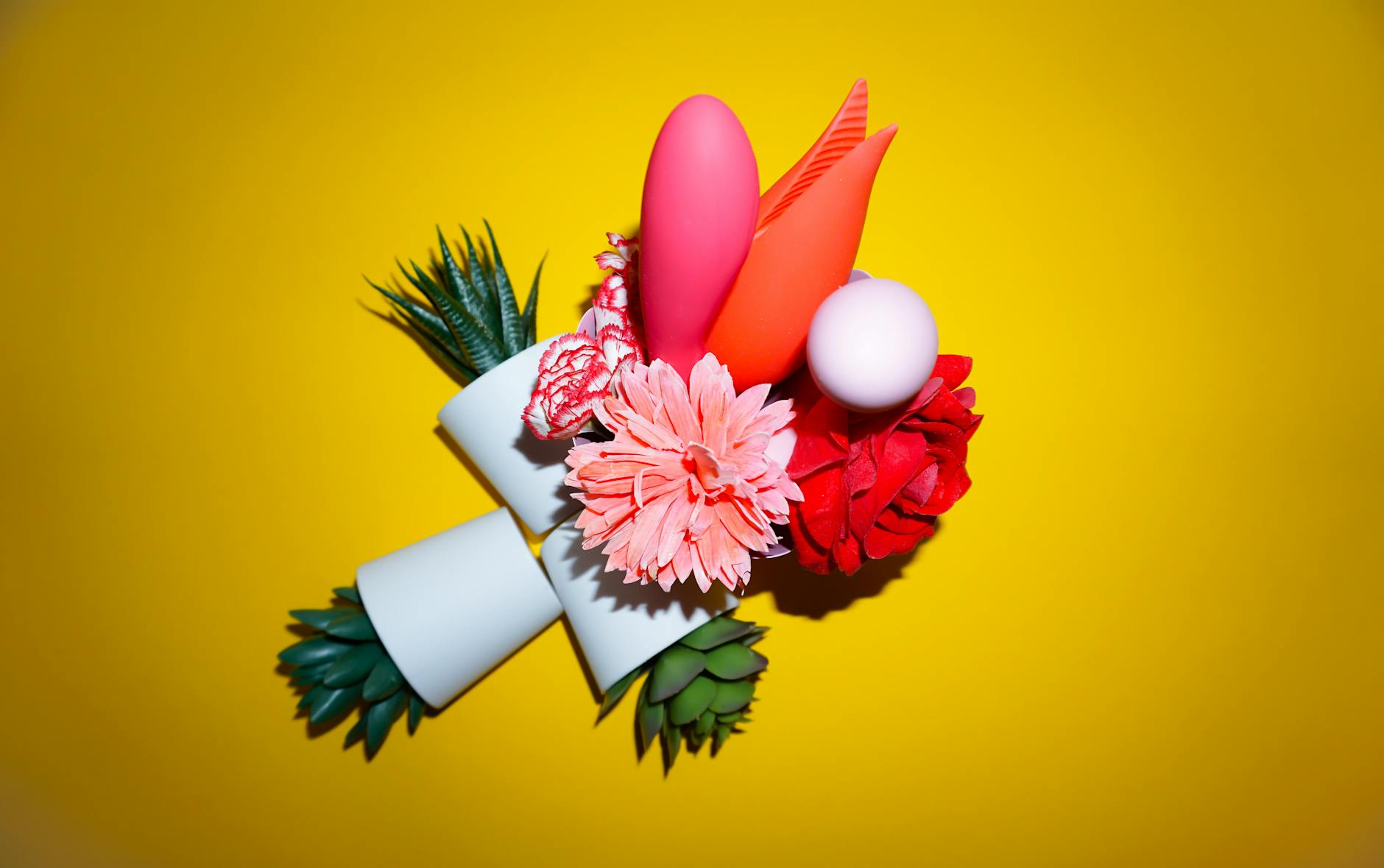
Lemon vibrators, especially the suction-based clitoral kind, are genuinely useful here because they don't require you to replicate partnered sex. They're not trying to be a person. They're trying to be a precise tool for your nervous system. That distinction matters when you're rebuilding a relationship with your own pleasure.
Why solo play after partnership feels strange
Your nervous system has been trained. After years of partnered sex, your body has learned to anticipate another person's touch, respond to their timing, match their intensity. Even if that sex was good, even if you came regularly, your pleasure was filtered through coordination.
Solo play removes that filter. And for some people, that's anxiety-inducing rather than liberating.
Three things typically happen when someone returns to solo pleasure after a long partnered phase. First, your timeline changes. You might realize you actually want longer foreplay than your partner ever gave you. Second, your preferences shift. Without someone else's body in the mix, you discover you like pressure you never tried before. Third, and this is the quiet one: your permission changes. Being alone with your pleasure means you have to give yourself full consent to want it, which is harder than it sounds after years of negotiated intimacy.
The case for starting with a lemon vibrator specifically
A lemon suction vibrator is useful for solo play after partnership for a particular reason. It demands presence in a way that partnered sex never did. You have to position it, pay attention to the rhythm and intensity, make micro-adjustments. That engagement is actually restorative because it forces you out of autopilot and back into your own body.
Unlike conventional vibrators that buzz against tissue, clitoral suction devices like the lemon vibrator create a sensation that's novel enough to feel genuinely different from partnered sex. You're not comparing yourself to an ex or trying to recreate a familiar dynamic. It's new territory, which means your brain can't fall into old patterns.
The intensity is also adjustable on most models, which matters when you're relearning your own sensitivity. After years of partnered sex, you might not even know what your baseline sensation preference is anymore. Starting low and building up is how you find it.
The practical approach to reintroduction
First, create space that doesn't feel like a holdover from your partnered life. If you always had sex in the same bed or the same room, try somewhere else initially. A different room, a different time of day, anything that signals to your nervous system that this is genuinely different.
Second, set a time limit. Paradoxically, giving yourself permission to stop after twenty minutes removes some of the pressure to perform. You're not trying to have the perfect orgasm or reach some finish line. You're just remembering what your body likes when there's no one else involved.
Third, start with touch before you touch the vibrator. Spend five to ten minutes with your hands, your own pace, no destination. This reconnects you with the actual sensation in your body rather than jumping straight to the toy.
When you introduce the lemon vibrator, start on the lowest setting. The suction pattern should feel novel, not overwhelming. You're gathering data about what your body actually enjoys, not racing toward an outcome.
The mindset shift that matters most
Solo play after partnership fails when you're comparing it to how sex felt with a partner. That's a rigged game because the context is completely different. One wasn't better. They're separate experiences.
The mindset that actually works is treating solo play as research into yourself rather than as a deficit version of what you used to have. You're not missing out on partnered touch. You're discovering solo sensation. Those are two entirely different categories.
Lemon vibrators help with this shift because they offer something genuinely different than a partner's hands or body ever could. The sensation is precise, consistent, and entirely under your control. That control is what makes it valuable after years of coordinated intimacy.
Managing expectation and patience
Here's what sometimes happens: someone returns to solo play, uses a vibrator, and either has an amazing orgasm immediately or nothing happens at all. Both outcomes can feel loaded. The first can feel like "wow I was missing this," which carries a sting if the relationship ended badly. The second can feel like you're broken, which you're not.
Neither outcome means anything except that your body is adjusting. Solo pleasure after partnership usually takes a few sessions to actually feel comfortable, maybe five or six times before you're back in your own rhythm.
If you're coming easily, great. Keep going. If you're not, that's also normal and addressable with patience. The vibrator isn't the missing piece. Your own permission and presence are.
When to trust the process versus when to shift approach
If after three or four sessions you're still feeling anxiety or disconnection rather than curiosity, something else might be at play. Sometimes returning to solo pleasure unearths grief about the relationship that ended, or guilt, or even just the identity shift of being single after being partnered. A vibrator can't solve those things. They need conversation, maybe therapy, definitely time.
What a vibrator can do is help you separate the physical question (what does my body like) from the emotional question (what does it mean that I'm alone now). Sometimes that separation is exactly what you need to move through both.
The slow return to confidence
After a few weeks of regular solo play, something shifts. Your nervous system stops treating it as unusual. Your body remembers that pleasure doesn't have to be negotiated or coordinated. You discover things about yourself that partnership never revealed. Maybe you want more time, or less. Maybe you want different rhythms. Maybe you realize that some things you thought you enjoyed you actually didn't. Maybe the opposite is true.
That discovery is the actual gift of solo play. Not the orgasm, though obviously that's nice. It's reclaiming the authority over your own sensation.
Lemon vibrators, especially clitoral suction models, accelerate that reclamation because they're intentional, controllable, and completely yours. There's no one else's pace involved. No one else's expectations. Just your body and your choices.
People also ask
Is it normal to feel weird about solo play after being in a long-term relationship?
Completely normal. Your nervous system is wired for partnered sex after years of it. Going back to solo play means your brain has to shift gears entirely. That disorientation fades after a few sessions. Most people report that solo play becomes easier and more pleasurable after about four to six times of practicing it intentionally.
Do I need to use a vibrator when restarting solo play?
No, but it helps. Solo play is fine with just your hands. A vibrator like a lemon clitoral suction toy offers something different than a partner's hands ever could, which can actually make the transition easier because it doesn't invite comparison. You're not trying to replicate anything. You're exploring something genuinely new.
What if I don't orgasm the first time I try a vibrator solo?
That's not a problem. Solo orgasms after partnership sometimes take longer to arrive because your nervous system is relearning its own pleasure pathway rather than coordinating with someone else's body. A few sessions in, most people find their rhythm returns. If not, check in with what you're actually feeling. Are you relaxed? Curious? Or anxious? The emotion matters more than the outcome.
Should I tell my ex or new partner that I'm exploring solo play?
That's between you and them, depending on what you are to each other now. If you're fully separated, it's not their business. If you're co-parenting or staying in contact, also not their business unless it affects them directly. Solo play is for you to explore privately. You don't owe anyone an explanation for getting to know your own body.
How long does it take to feel comfortable with solo play again?
Most people feel genuinely comfortable and confident within two to three weeks of regular exploration. Some people take longer, especially if the relationship ending carried a lot of grief or shame. Both timelines are fine. You're not racing. You're rebuilding.
Can a lemon vibrator help me figure out what I actually want?
Yes. Because it's entirely under your control and requires your engagement, using a clitoral vibrator forces you into presence with your own body in a way that passive partnered sex sometimes didn't. That presence is where self-knowledge lives.
Moving forward
Returning to solo play after years of partnership is a quiet kind of reclamation. You're not trying to heal anything or fix anything. You're just learning what your body enjoys when the only person involved is you.
That matters. Understanding your own pleasure cycle and sensation preferences is foundational to everything that comes after, whether you eventually partner again or stay solo.
A lemon vibrator is just a tool. But it's a tool that meets you where you are right now. Alone, curious, and ready to remember that your pleasure is worth your own attention. Start there.