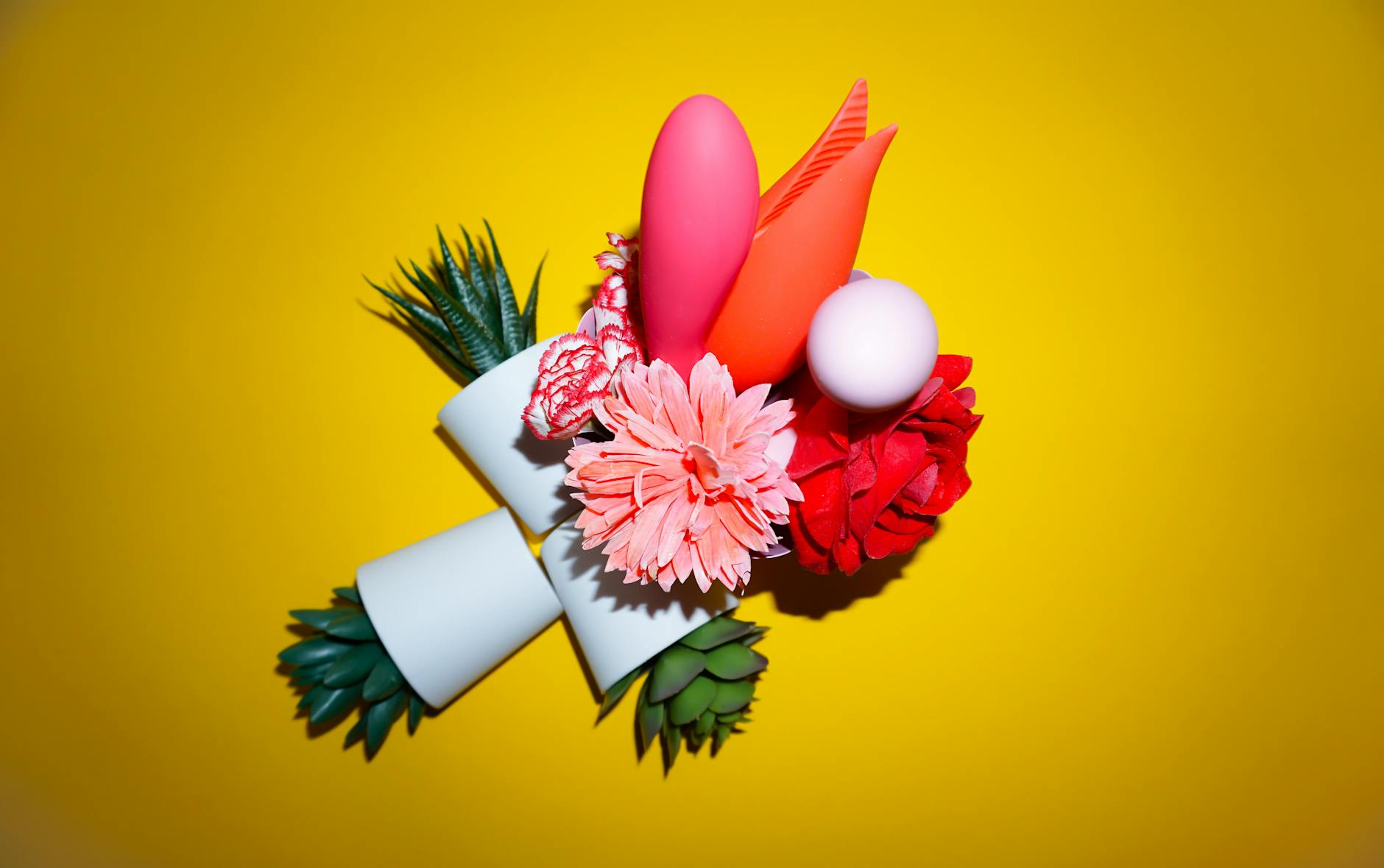
Breakups Rewire Your Pleasure Response
Here's what nobody tells you about breakups: they don't just hurt emotionally. They rewire how your body responds to touch, arousal, and pleasure itself. If you spent months or years with a partner, your nervous system learned their touch as "safe." Their rhythm, their pressure, their timing became your baseline. When that person leaves, your body doesn't just miss them emotionally. It loses its map.
Rebuilding solo pleasure after a breakup isn't about jumping back into things the way you used to. It's about meeting yourself where you actually are right now, not where you were before.
I've worked with countless clients navigating this exact liminal space. The ones who rebuild their relationship with solo pleasure most successfully aren't the ones who white-knuckle their way back to their old routine. They're the ones who treat rediscovery as an actual practice, not a performance goal. If you're ready to reconnect with your body on your own terms, a lemon vibrator can be that tool. But only if you approach it with patience.
Why Your Solo Routine Feels Broken
When you've been in a coupled sexual dynamic for a long time, your arousal pathway becomes entangled with your partner's presence. You might have relied on their touch to get you started. You might have preferred a certain kind of foreplay or tempo. Your body learned to want things in a particular sequence.
Now you're alone. Your brain still expects that external stimulus. When it doesn't arrive, arousal doesn't follow the old pattern. This is completely normal. It's not broken. It's just rebooting.
Another piece: breakup grief lives in the body. If you're still processing anger, sadness, or even residual attachment, touching yourself might feel emotionally loaded. You might get aroused and then suddenly remember a text exchange or inside joke, and the whole state collapses. That's not a failure. That's your nervous system doing exactly what it's supposed to do.
The goal isn't to force pleasure through grief. It's to slowly rebuild a sense of ownership over your own body while you're healing.
Starting Again: The No-Pressure Framework
If you haven't touched yourself since the breakup, or if it felt awkward the last time you tried, you need a reset. Here's what I recommend:
Week 1-2: Non-sexual touch
This sounds precious, but it's not. The point is to remind your nervous system that touch can feel good without being performance-oriented. Take a bath. Use a body oil. Massage your own shoulders and neck. Lie in bed and notice what temperature, texture, and pressure feel good when there's zero expectation of orgasm.
If you have a lemon vibrator already, leave it in a drawer. You're not using it yet.
Week 3: Exploration without expectation
Now you can take the lemon vibrator out. Hold it. Feel the weight. Turn it on at the lowest setting while it's against your wrist or your neck. The point here is just to get reacquainted with the sensation without the pressure of having to orgasm from it.
Many of my clients tell me they were surprised at how much it tickled, or how the sensation felt different than they remembered. That's valuable information. Your body's sensitivity might have shifted. That's information, not failure.
Week 4: Micro-sessions
Once the toy feels familiar, try using it for 5-10 minutes without a goal. Turn it on. Notice what your body does. Notice what your mind does. Do you get distracted? Do you feel a little spark? Do you feel nothing? All of those are okay.
Many people in the post-breakup phase find that their bodies need longer to build arousal. That's real. Your nervous system is being cautious. Don't fight it. Just spend time with the sensation.
The Lemon Vibrator Advantage in Solo Healing
You might be wondering why a lemon vibrator specifically. Here's why I recommend them for this particular phase of rediscovery.
First, air suction technology (like in the Lem) works differently from traditional vibration. It doesn't require you to be in a specific state of arousal to feel something. You can be mentally checked-out, emotionally numb, or just discovering what works for your body right now, and the sensation still registers as pleasant. That's valuable when you're rebuilding.
Second, lemon vibrators are designed for external clitoral stimulation, which means you're not working with penetration, interior positioning, or the complexity of what a partner might have been doing inside your body. You're isolating the sensation to one clear source of pleasure. That simplicity is actually powerful when you're relearning your body.
Third, the rhythmic, consistent nature of air suction stimulation can be genuinely soothing. Breakup healing often involves a lot of nervous system dysregulation. The repetitive, gentle-to-intense stimulation from a lemon vibrator can help downshift your nervous system back into a safer state. That's not indulgent. That's nervous system regulation.
Building a Sustainable Routine
Once you're past the initial "just getting reacquainted" phase, here's what a gentle solo routine looks like.
Timing matters
Don't schedule sex with yourself like a chore. But do notice when your body naturally feels more receptive. Some people find mornings work better (higher testosterone, clearer mind). Others prefer evening, when there's more time to wind down. Some people do well mid-afternoon, when there's less emotional static from the day.
After a breakup, I usually recommend solo time when you're not emotionally exhausted or at the tail end of a grief wave. That might mean avoiding the hours right after you've seen your ex's Instagram story, or right after thinking about shared memories. Choose moments when you're relatively stable.
Lubrication is still relevant
Even solo. Even with a lemon vibrator. Water-based lubricant makes the experience more pleasurable and protects your tissue. It's not a sign that something's wrong with your body. It's smart self-care.
Permission to feel nothing
You might use your lemon vibrator, and nothing happens. No arousal. No orgasm. No warmth. That's a completely valid experience, especially in the months right after a breakup. Don't treat it as failure. Your body might just need more time, or that particular day wasn't the right day. Try again another time. Or don't. There's no quota.
Permission to feel complex things
You might also experience arousal and sadness at the same time. You might get close to orgasm and suddenly miss your ex, or remember something painful, and then lose the thread. Don't force it. Pause. Breathe. If you want to continue, continue. If you want to stop, stop. Solo pleasure doesn't have to be a linear path to climax. It can just be time with your body.
When to Check In With Yourself
If you're several months out from the breakup and solo touch still feels emotionally loaded, that's worth examining. Not fixing yourself, examining. Sometimes trauma, attachment patterns, or unprocessed grief sits in the body and needs different support than a lemon vibrator can offer.
If touch triggers shame or anxiety, or if you notice yourself using solo pleasure as a way to numb out rather than connect with your body, that's a sign to talk to someone. A therapist, especially one trained in somatic work or attachment, can help you understand what your nervous system is actually needing.
That's not a detour. That's wisdom.
The Bigger Picture
Rebuilding solo pleasure after a breakup is actually one of the most direct ways to reclaim agency over your own body. For years, your pleasure might have been something that happened with someone else, on their timeline, according to their preferences. Solo pleasure is yours. You choose the pace, the pressure, the duration, the context, the intention.
A lemon vibrator doesn't fix the breakup. It doesn't fast-track grief or make you "over it." What it does is give you a way to reconnect with your body as a source of comfort and sensation, separate from anyone else's touch or approval.
That's actually the whole foundation of healing: remembering that your pleasure belongs to you.
FAQ: Rebuilding Solo Pleasure After Breakup
How long after a breakup should I wait before using a vibrator again?
There's no timeline. Some people want to reconnect with solo pleasure within weeks. Others need months. There's no "right" answer. What matters is that when you do, it doesn't feel like a performance or a test. If you're touching yourself to prove you're "fine" or "over it," you're not ready yet. Wait until you're curious rather than driven.
Can using a lemon vibrator solo help me move on emotionally?
Not directly. What solo pleasure can do is help you remember that your body exists independently of your ex. It can help regulate your nervous system, which is often dysregulated after breakup. It can remind you that you're capable of pleasure and sensation on your own terms. But emotional healing happens through time, processing, and often with professional support. The lemon vibrator is a tool for reconnection, not therapy.
What if I feel guilty using a vibrator after a breakup?
Guilt often shows up when we're taught that solo pleasure is selfish, or that moving on physically means we didn't really love the person. Neither is true. Your body healing and your feelings for your ex can coexist. Using a lemon vibrator is self-care, not disloyalty. If the guilt is intense, it might be worth exploring where that message came from. Often it traces back to early messages about sexuality being something you should only do in service of a relationship.
Is it normal that my body takes longer to respond after a breakup?
Completely normal. Your nervous system has been through something. Arousal actually takes longer to build when you're grieving or stressed. The brain is the biggest sex organ. If your brain is occupied with sadness, anger, or loss, your body's arousal response will be slower. You might notice that arousal takes longer to build than it used to, and that's not a sign that something's wrong with you. Give yourself that time.
Should I be using a lemon vibrator if I'm still grieving the relationship?
Yes, if you want to. Grief and pleasure don't have to be mutually exclusive. Sometimes taking time to feel good in your body is actually part of the healing process. It reminds you that you're still here, that your body still works, that sensation is still available to you. That's not disrespectful to your grief. That's part of moving through it.
How do I know if I'm ready to explore partnered pleasure again after rebuilding solo pleasure?
When you can enjoy touch with yourself without thinking about your ex. When your body feels like it belongs to you again, not like it's still waiting for someone else's touch. When the idea of a new partner feels like genuine curiosity rather than distraction or replacement. That readiness is personal and won't follow a timeline. Trust your nervous system on this one.
Moving Forward
After a breakup, your body needs more than permission to feel good. It needs time, gentleness, and the understanding that rebuilding solo pleasure is an act of self-reclamation. For more on building a sustainable solo pleasure practice, check out our guide to lemon vibrators for solo pleasure.
Your pleasure is yours now. Take the time you need to remember what that actually means.