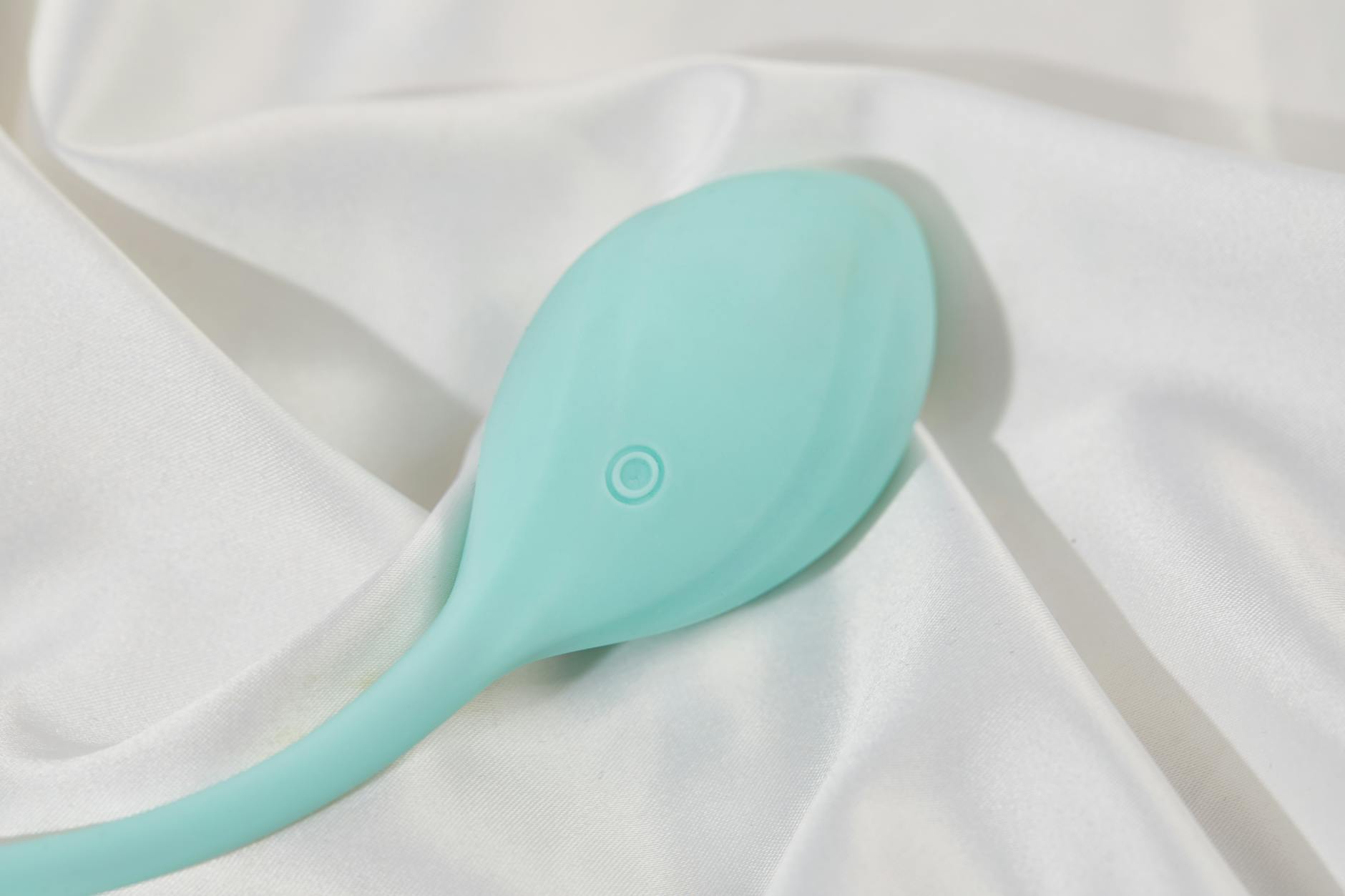
How to Navigate Lemon Vibrator Intensity Levels as a Beginner
Honestly? Most people who buy their first clitoral vibrator make the same mistake. They unbox it, wonder how to even turn it on, and then immediately crank it to whatever the highest setting is. Then they're confused when it feels overwhelming, uncomfortable, or just plain wrong.
Turns out, intensity on a lemon vibrator or any clitoral vibrator isn't a one-size-fits-all thing. Your sweet spot exists somewhere on that spectrum, and finding it is half the pleasure.
Why beginners get intensity wrong
There's a weird myth floating around that "more power equals more pleasure." It absolutely does not. Your clitoris has roughly 8,000 nerve endings packed into a space smaller than a pea. Blasting it with max intensity from day one is like turning a car stereo to 11 when you just want to hear the radio.
Moreover, starting too high can actually numb you out. Your body adapts to overstimulation by reducing sensation. It's a protective mechanism, but it means that if you spend your first week at setting 7 out of 10, your body might stop responding well to anything lower.
There's also the comfort factor. Too much intensity too fast can cause soreness, irritation, or just a startled nervous system that associates your new toy with discomfort instead of pleasure.
The intensity ladder: where to actually start
If your lemon clitoral vibrator has multiple settings (and most quality devices do), think of them as floors in a building, not steps on a race track.
Settings 1-3: The exploration zone. This is where every beginner should start. The vibrations are gentle enough that you can actually feel what's happening without being overwhelmed. You're learning your body's geography. You're finding out where you like the vibration concentrated. You're building confidence. Spend at least a few sessions here, even if it feels "not strong enough." It's strong enough. Your body just hasn't learned the language yet.
Settings 4-6: The sweet spot for most people. Once you've spent time at lower settings and know what feels good, this is where many people land. Not gentle, not overwhelming. Just right. This is the zone where you can stay for extended periods without numbness creeping in.
Settings 7-10: The occasional tool. Some people love the intensity here. Some never go here. That's totally normal. If you do explore higher settings, use them sparingly and not every single time. Your body needs variety to stay responsive.
The key: don't treat intensity like a ladder you're trying to climb. Treat it like a menu. You might pick setting 3 one day, setting 5 another, and that's not backsliding. That's wisdom.
How your body adapts (and why patience matters)
When you first start using a lemon vibrator, your nervous system is essentially learning a new sensation. It takes time. Your body needs multiple sessions to understand what's happening, to relax into it, and to respond naturally.
Some people feel dramatic results on session one. Others take a week or two. Both are completely normal. If you're someone who needs the extra time, resist the urge to keep bumping up the intensity thinking "I'm broken." You're not. You're just building familiarity.
Also: time of month, stress levels, relationship dynamics, medication, sleep, and how recently you've eaten all affect how your body responds. Intensity preferences can fluctuate. That's not a bug in the device or your body. That's biology being human.
Where clitoral vibrators like the lemon differ from other toys
If you've used other types of vibrators (wand vibrators, for instance), intensity might feel different on a dedicated clitoral vibrator. Lemon sucker-style devices use air-pulse technology in addition to or instead of direct vibration. This creates a different sensation altogether.
With air-pulse stimulation, what feels "intense" isn't necessarily painful or harsh. It's more like a gentle suction and release. Many people find this more comfortable at higher settings than direct vibration would be. So if you're coming from a traditional vibrator background, give yourself permission to explore higher settings without fear.
The shape and size of the device also matters. The lemon vibrator's curved, pointed design concentrates stimulation to a specific area. That precision means you need less overall power to feel significant sensation. A broader toy at setting 4 might feel less intense than a focused clitoral vibrator at setting 3. Pay attention to what your body tells you, not what the number says.
Building your personal intensity routine
Once you've figured out what settings work for you, you can get strategic about how you use them. Most people find that variety keeps things interesting and prevents numbness.
The warm-up approach: Start at setting 2 or 3, stay there for a few minutes, then gradually move up as arousal builds. This mimics how your body naturally responds and feels less jarring.
The steady state approach: Pick a setting that feels genuinely good and just stay there for 15-20 minutes. No climbing. No chasing. Just presence.
The pattern-and-pulse approach: Many lemon clitoral vibrators have preset patterns in addition to intensity levels. Patterns change the rhythm without changing raw power. Mixing intensity with pattern variety keeps your nervous system engaged and responsive.
The contrast approach: Alternate between two different intensity levels or patterns. The contrast itself becomes part of the sensation.
There's no "right" routine. Your body will tell you what it wants if you listen.
Common beginner intensity mistakes (and how to avoid them)
Mistake one: assuming you need to escalate. You don't. If setting 4 feels amazing, setting 4 is your sweet spot. You don't earn a gold star for reaching setting 10.
Mistake two: ignoring soreness. If you feel irritation or soreness after using your lemon vibrator, you went too intense or for too long. That's data. Adjust accordingly. Your body isn't being difficult. It's giving you feedback.
Mistake three: comparing yourself to what you've read online. Someone else's favorite setting is irrelevant to your body. You might prefer lower intensities than you think you "should." Good. That's information you can actually use.
Mistake four: not giving yourself recovery time. If you're using your clitoral vibrator multiple times a day, every single day, your tissue needs a break. Aim for a few sessions a week when you're starting out, then adjust based on how you feel.
Mistake five: thinking intensity is the only variable. Angle, pressure (how much you press it against your body), warm-up time, and mental state all affect sensation as much as the power setting does. If something doesn't feel right at a certain intensity, before you change the number, try changing the angle or spending more time warming up.
When to explore higher intensities (and when not to)
Once you've spent a few weeks exploring lower and mid-range settings, you have permission to experiment with higher intensities if you're curious. There's no rule that says you have to, though.
If you do explore higher settings, do it when you're relaxed and have time. Not rushed, not stressed, not on your phone. Your nervous system can't fully process what's happening if your brain is elsewhere.
Also: if higher intensities ever feel painful or cause lasting soreness, that's your signal to stick with the middle range. Your comfort zone is the right zone. Period.
FAQ: intensity questions people actually ask
How long does it take to find your ideal intensity level?
Typically three to five sessions. Some people know by session one. Others take two weeks. If you're not feeling anything after three weeks of regular use, that might signal an issue with the device, your body, or how you're using it. That's when reaching out to support or a healthcare provider makes sense.
Can I damage my sensitivity by using a lemon vibrator too much?
Not permanently. Your body is adaptive and resilient. If you notice numbing out over time, take a week-long break. Your sensation will come back. The key is not to live at maximum intensity every single day forever. Variety protects sensitivity.
What if intensity settings feel completely inconsistent?
This can happen with older batteries, certain devices, or after extended use. Quality clitoral vibrators like Hello Nancy's options maintain consistent power across battery life. If your device's intensity is erratic, it might be time for a replacement.
Is it weird that I prefer lower intensities?
Not even slightly. Some bodies just respond better to gentler stimulation. That's not a limitation. That's your body being efficient. Own it.
Should my partner help me find my intensity sweet spot?
That depends on your relationship and communication style. Some couples find it fun and intimate to explore together. Others prefer to do this solo first. There's no wrong call. If you do explore with a partner, focus on communication over performance. "A little gentler" and "that setting feels great" are better contributions than silent observation.
Can intensity levels affect pleasure or orgasm quality?
Yes and no. The intensity that gets you there isn't the same as the intensity that feels best. Some people orgasm quickly at high settings but have more satisfying, longer-lasting orgasms at moderate intensities. Others reverse. Track what you notice and adjust accordingly. Your data is the only relevant data.
The bigger picture
Finding your ideal intensity level on a lemon clitoral vibrator isn't about reaching some endpoint. It's about learning yourself. It's about discovering what your body actually wants instead of what you thought it should want.
That knowledge stays with you. You bring it to solo exploration, to conversations with partners, to your own pleasure for decades to come. That's the real value of taking time to explore the lower and middle settings with intention.
Start low. Go slow. Listen to your body. That's it. That's the formula.
Ready to explore? Check out the complete guide to lemon vibrators for more detailed information about different device types and features.
Sources & Further Reading
- International Society for the Study of Women's Sexual Health (ISSWSH) on clitoral sensitivity and stimulation techniques
- Clinical research on vibrator use and user preferences in peer-reviewed sexual health journals
- Hello Nancy product guides and user feedback data from thousands of customers