
Here's what nobody tells you about antidepressants and pleasure
You start a new SSRI or SNRI because your mental health needs it. Within weeks, your mood stabilizes. Your anxiety quiets. And then you notice something unexpected: things that used to feel intense now feel muted, delayed, or just... different. Maybe you're using a lemon vibrator and it's not hitting the way it used to. Maybe orgasms feel further away. Maybe you need more time, more pressure, more stimulation to get there at all.
Here's the honest part: this is not in your head, and it's not a sign you've made the wrong choice by taking the medication. It's neurobiology, and it's temporary and manageable once you understand what's actually happening.
How SSRIs and SNRIs actually affect sensation
Antidepressants work by increasing serotonin in your brain. That's the part everyone knows. What's less discussed is that serotonin also plays a major role in sexual response, arousal speed, and orgasm intensity. When you flood your system with more serotonin, the pathways that light up during pleasure get dampened. This is especially true with SSRIs like sertraline, fluoxetine, and paroxetine. SNRIs like venlafaxine hit both serotonin and norepinephrine, so the effect can be slightly different, but the delay is still common.
The clitoris is exquisitely sensitive to neurotransmitter shifts. It's packed with nerve endings that respond to serotonin, dopamine, and norepinephrine. When serotonin increases, dopamine (the neurochemical of reward and pleasure) can take longer to surge. Your body is not broken. Your nervous system is just working through a new chemical landscape.
What actually changes with lemon vibrators and sensation
Most people report one or more of these shifts within the first 4-8 weeks:
Arousal takes longer. Where you used to get ready in 5 minutes, now it's 20 or 30. This isn't laziness or loss of desire. It's a slower ramp-up in blood flow and nerve activation.
Intensity feels muted. A lemon sucker or any clitoral vibrator might feel pleasant but not electric. You're still having a physical response, but the subjective intensity is dampened, like you're experiencing pleasure through a layer of glass.
Orgasms feel different. Some people describe them as shallower or more scattered. Others say they still orgasm but the wave doesn't crest the same way. The clitoris is still responding, but the neurochemical cascade that usually creates that peak sensation is moving slower.
Sensation feels numb or distant. This is rare but real: some people on SSRIs experience genital numbness or a feeling of disconnection from what's happening physically, even though stimulation is occurring.
Why this matters for your relationship with pleasure tools
If you've been using a Hello Nancy lemon vibrator at a certain intensity setting, you might find that setting suddenly feels underwhelming. The temptation is to think the toy isn't working anymore or that you've "used it too much." Neither is usually true. What's happened is your nervous system's baseline for sensation has shifted.
The good news: this doesn't mean lemon clitoral vibrators stop working. It means you might need to adjust your approach. Some people find they actually enjoy the slower build-up because it gives them permission to take more time, tune in more deeply, and explore sensation without rushing. Others discover they prefer starting with higher patterns earlier in the session.
Practical shifts that help
I talk to clients about four adjustments that often make a real difference:
Budget more time. Plan for 25-40 minutes instead of your previous baseline. This isn't because you're broken; it's because arousal is slower. Give your body the space it needs.
Start exploration differently. Don't jump straight to the pattern that used to work. Spend time at lower intensities. Notice what feels good at pattern 1, 2, and 3. You might find sensations you've been rushing past your whole life.
Use lube generously. Antidepressants can reduce vaginal lubrication in some people. Adding external lubrication removes friction and sometimes makes sensation feel fresher and easier.
Talk to your prescriber if it's severe. If arousal is almost impossible or numbness is affecting your daily life, mention it at your next appointment. There are solutions: timing adjustments, medication swaps, or adding a second medication to counteract the sexual side effect.
The timeline most people experience
Some changes settle within 6-12 weeks as your body adapts. Your nervous system gets used to the new serotonin level, and pleasure sensation often partially rebounds. Not always completely to baseline, but close enough that most people stop noticing the shift.
Others find it stays stable long-term. And that's okay. You've made a trade: mental health stability for a different pleasure profile. That's usually a worthwhile exchange, especially when you know what's happening and how to work with it.
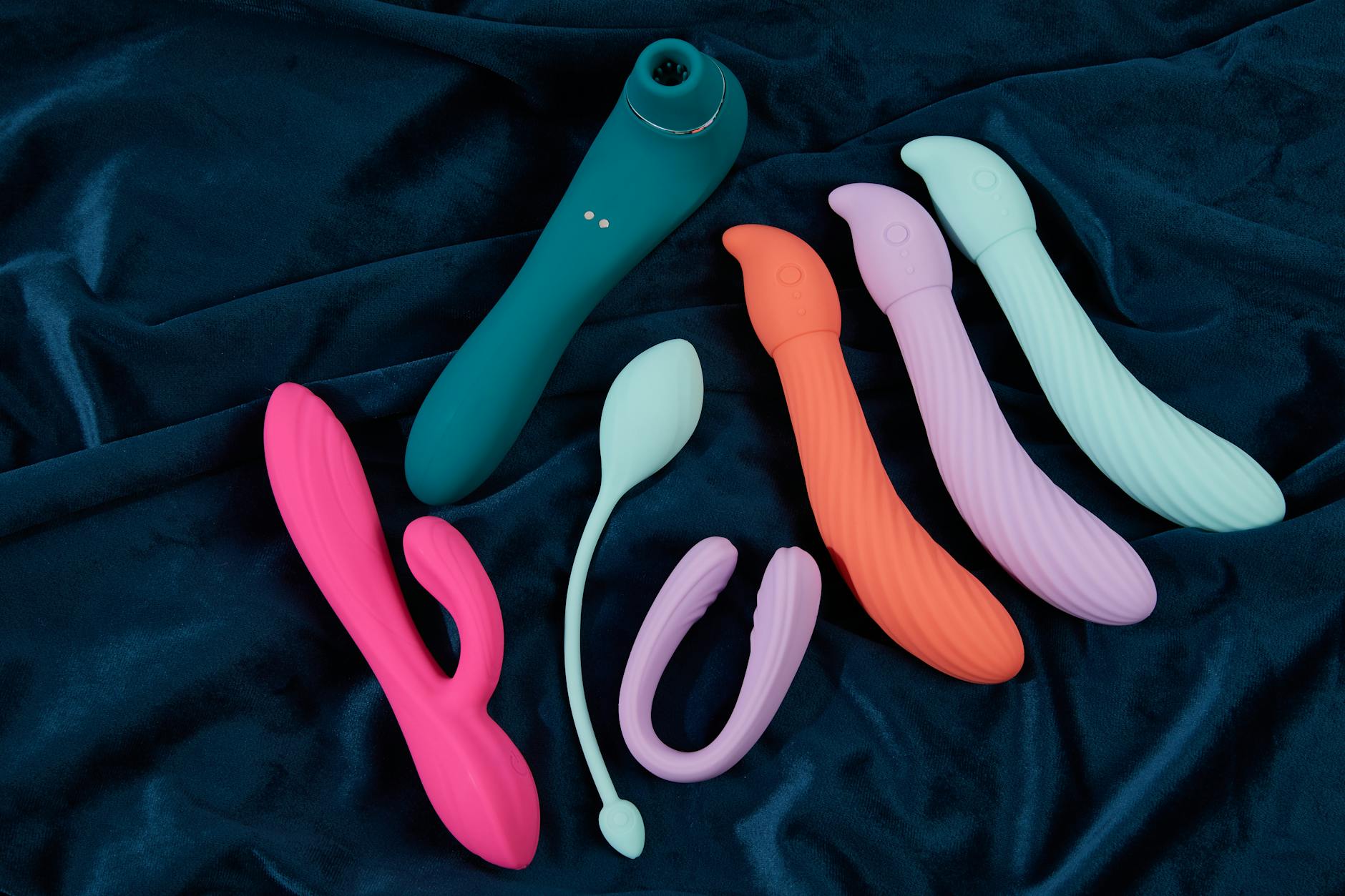
Photo by IFONNX Toys on Pexels
The emotional piece matters as much as the physical
When pleasure changes, people often interpret it as a loss rather than a shift. "I'm broken." "My medication ruined my sex life." "Maybe this means I don't actually want this." Those stories can become self-fulfilling. You disconnect from pleasure because you think it's gone, when really it's just reorganized.
If you're in a relationship, this becomes a conversation to have early and clearly. "My medication is changing how my body responds to stimulation" is different from "I'm not interested in intimacy." One is neurochemistry. The other is about desire. Confusing them tanks both the sex and the relationship.
When to check in with your doctor
Sexual side effects from antidepressants are real and worth discussing with your prescriber. You're not supposed to just accept them as the price of wellness. Options include:
Timing adjustment (taking the dose at a different time of day, sometimes helps).
Medication swap (trying a different SSRI or an SNRI, which affect pleasure differently).
Additive therapy (taking a second medication like bupropion or buspirone specifically to restore sexual function).
Dose reduction (if a lower dose still helps your mental health).
Your doctor has seen this countless times. You're not the first person to bring it up, and addressing it is part of good care.
The frame that actually helps
Here's what I tell clients: your body is not punishing you for taking care of your mental health. Antidepressants don't erase pleasure. They change the speed and texture of how you access it. A lemon vibrator, a lemon sucker, a clitoral vibrator of any kind still works. You still feel. The pathway just has a longer fuse.
Some of my clients eventually tell me that learning to work with this shift deepened their relationship to their own pleasure. When you can't barrel toward orgasm at full speed, you notice more. You slow down. You discover sensations that live in the middle, not just at the peak.
Your medication is giving you mental space to think clearly, to feel less trapped by anxiety, to show up in your life and your relationships more fully. That's the real win. Pleasure adapts. It usually comes back, or it transforms into something equally satisfying. You've got tools, you've got information, and you've got time.
People also ask
Does every antidepressant cause sexual side effects?
No. Some people notice zero change. Others notice a lot. SSRIs are the biggest culprits, especially paroxetine and sertraline. SNRIs like venlafaxine are hit-or-miss. Bupropion actually tends to enhance sexual function. It's individual, which is why mentioning it to your prescriber matters—they can tailor the choice to your priorities.
How long does it take for pleasure sensation to come back?
Some people feel changes within 6-12 weeks as their body adapts. Others find it stays shifted long-term. There's no standard timeline. What matters is knowing it's not permanent paralysis—it's an adjustment, and you have agency in how you work with it.
Can I use lemon vibrators the same way while on antidepressants?
You can, but you might need to adapt. More time, higher intensity patterns, different techniques, or just a different expectation. The lemon sucker doesn't stop working. Your nervous system's responsiveness shifts, which means your approach shifts with it. This is actually a good opportunity to explore what else feels good.
Is this a sign I should stop my medication?
No. Medication gave you your mental health back. Sexual side effects are real, but they're almost always solvable without stopping the medication that's helping you. Talk to your prescriber about options—dose timing, medication swaps, or adjunctive therapies. Don't make this choice alone.
Does this affect pleasure with partners differently than solo pleasure?
Not usually. The neurochemical shifts affect arousal and orgasm response across the board. That said, partner presence can sometimes help (more context, more stimulation, more time to build) or sometimes feel like pressure (if there's expectation around performance). Open communication helps here.
Will my lemon vibrator feel "normal" again?
Eventually, probably. Or you'll settle into a new normal that works just as well. Your body is resilient and adaptive. Give it time, stay curious, and adjust your expectations rather than blaming the tool. The vibrator isn't the variable that changed—your nervous system is.
What happens next
Your medication is working for your mind. Your pleasure is not broken, just recalibrated. That recalibration takes patience, communication, and sometimes a willingness to explore differently. If you're struggling with this shift in a relationship, talking it through with a therapist who understands both medication and intimacy can be genuinely transformative.
Your mental health matters. Your pleasure matters. You don't have to choose between them. You just need to understand how they're talking to each other right now.