Here's the thing about erectile dysfunction and couples
When ED shows up, it doesn't just affect one person. It lands in the middle of both of you, and suddenly sex becomes a performance test neither of you wanted to take. The partner with a penis gets anxious. The partner without one feels rejected or responsible. Both of you stop talking about what you actually want. Connection collapses.
What nobody tells you: lemon vibrators and clitoral vibrators specifically are one of the most effective reset buttons I've seen in my practice. Not because they fix ED, but because they completely reframe what pleasure looks like for both of you.
Why traditional sex doesn't work when ED is in the picture
Erectile dysfunction is more common than people admit. About 30% of men experience it at some point. But the real damage isn't physiological. It's relational.
Here's what happens: penetration-focused sex suddenly feels uncertain. Will it happen? Will it stay? How long? The pressure builds. Anxiety kills arousal. The cycle deepens. Meanwhile, the partner without ED often feels like they're the problem, or worse, like their pleasure stopped mattering. Sex becomes a series of workarounds instead of connection.
This is where most couples get stuck. They try to force the old script instead of writing a new one.
How lemon clitoral vibrators change the equation
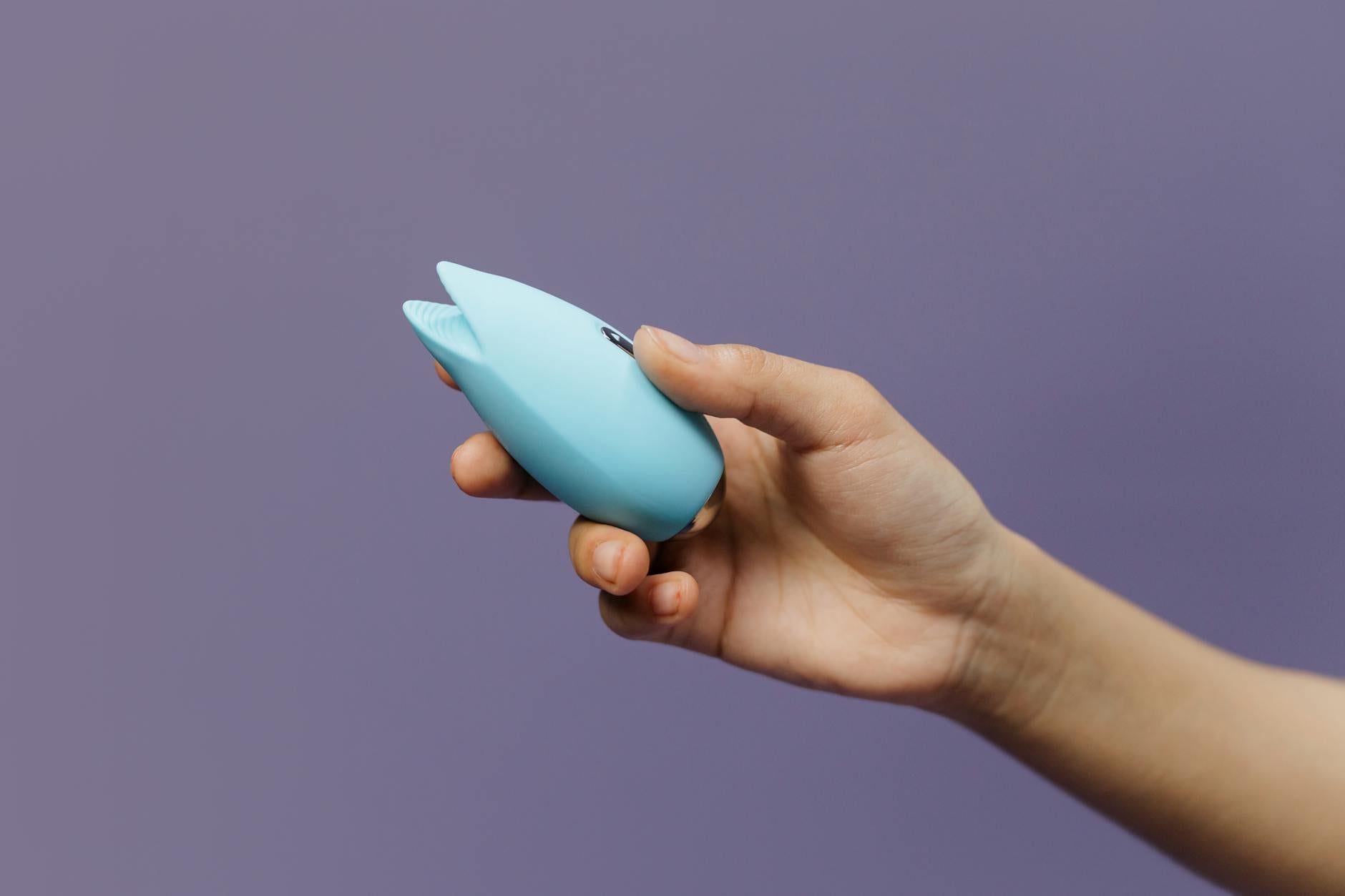
Lemon vibrators and other clitoral vibrators work differently than traditional vibration. The suction-based stimulation they provide doesn't require sustained arousal the way penetration does. There's no performance, no contingency, no "will this work" energy.
What that means: your partner with a vulva gets consistent, reliable pleasure. Your partner with a penis gets to relax and participate without the pressure of holding an erection. Pleasure becomes shared rather than contingent. That's not a small thing.
I've watched couples who hadn't had sex in months restart intimacy the moment they reframed it around clitoral pleasure instead of penetration. The lemon vibrator wasn't magic. The magic was permission to do something different.
The psychological shift that actually matters
When ED enters a relationship, shame usually follows. Your partner with a penis feels broken. Your partner without one feels undesirable. Both are avoiding the bedroom.
Using a lemon clitoral vibrator together flips that script in two ways.
First: it makes pleasure visible and mutual. You're not hiding from ED or pretending it isn't happening. You're choosing an alternative that works. That honesty itself is healing.
Second: it removes the pressure valve completely. There's no performance to fail. You're not waiting for an erection. You're not worried about losing one. You're just here, together, exploring what feels good. That's genuinely rare in long-term relationships, especially when ED has been in the room.

Photo by Madison Inouye on Pexels
How to actually integrate a lemon vibrator into your dynamic
Don't just surprise your partner with a toy. That backfires. Instead, have a real conversation outside the bedroom first.
Try something like: "I've been thinking about ED, and I realize we've both been treating it like it's the only way sex can happen. I want to explore other ways we can feel good together. I'm interested in trying a lemon vibrator. Would you be open to that?"
That's vulnerable. It's honest. It signals that you're not blaming ED on your partner, and you're not abandoning pleasure. You're pivoting.
When you actually use it together, go slow. Let your partner explore the vibrator themselves first if they want to. There's no rush to integrate it into intercourse. Sometimes the best outcome is that your partner with a penis can be present, attentive, maybe helping direct the vibrator while you use it. That's intimacy. That's connection. That's what's actually missing when ED takes over.
What research actually says about sex toys and ED recovery
Preliminary studies suggest that couples who integrate vibrators into their sex life report higher satisfaction, less performance anxiety, and often improved erectile function over time. Not because the toy fixes anything physiologically, but because the pressure reduces. Your nervous system relaxes. Arousal can actually build.
Some partners with penises who've used lemon vibrators with a partner report that the reduced pressure actually helps erectile function return naturally. Others find they don't miss penetration as much as they thought they would. Both outcomes are valid.
The worst outcome I see is when couples abandon sex entirely after ED shows up. The second worst is when they force the old script and blame each other for the failure. Using a lemon clitoral vibrator signals that you're choosing a third path: adaptation, communication, shared pleasure.
The conversation you probably need to have
If ED is affecting your relationship right now, here's what matters most: ED is a medical issue, but the shame is relational. A doctor can help with the medical part. A couples conversation can help with the relational part.
That conversation might sound like: "I love you. I want us. And I want us to find ways to feel good that don't feel like we're waiting for something to work or not work. Are you willing to explore that with me?"
A lemon vibrator or other clitoral vibrator is a tool for that conversation. It's not a workaround or a replacement for your partner. It's an invitation to build intimacy differently, with less pressure, more honesty, and more actual pleasure.
That's the shift couples need when ED shows up. Not to pretend it isn't happening. To acknowledge it, accept it, and choose what comes next together.
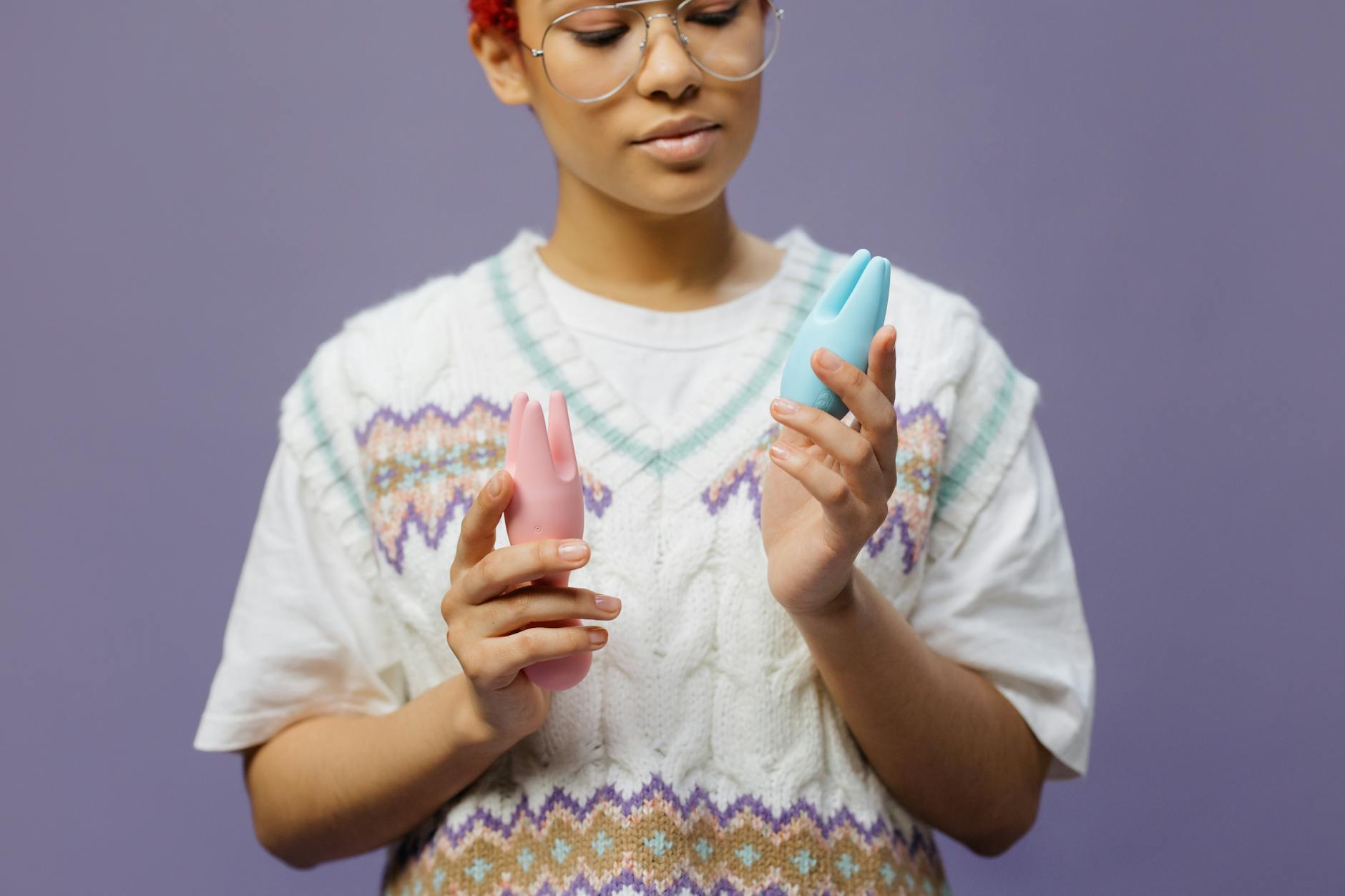
Photo by cottonbro studio on Pexels
When to involve a professional
If ED is new or severe, a doctor should assess it. Sometimes ED signals an underlying cardiovascular or hormonal issue. That needs medical attention first.
If the emotional toll is heavy, a couples therapist or sex therapist is worth it. ED often arrives with shame, avoidance, or resentment. Those feelings don't disappear because you bought a toy. They need conversation and processing.
The best outcome is when you address the medical side, the emotional side, and the pleasure side all at once. A lemon vibrator handles the pleasure side. The other two need different support.
Why couples actually stay connected when they make this shift
I work with couples for years sometimes, and the ones who weather ED best are the ones who use it as a forcing function to get honest. Honest about what they actually want. Honest about what they're afraid of. Honest about pleasure itself.
A lemon clitoral vibrator becomes a symbol of that honesty. It says: I'm not waiting for you to be a certain way to desire you. I'm not abandoning my pleasure. I'm inviting you to build something new.
That's not settling. That's partnership.
Frequently asked questions
Can using a clitoral vibrator help ED improve over time?
Sometimes, yes. Reduced performance anxiety can allow natural erectile function to return. But it's not guaranteed, and that shouldn't be the goal. The goal is reconnection and shared pleasure. If erectile function improves, that's a bonus. If it doesn't, you've already built an alternative that works.
Will my partner feel less needed if I use a lemon vibrator during sex?
Not if you frame it right. The vibrator isn't replacing your partner. It's creating space for both of you to feel good without pressure. Many couples find that using a lemon vibrator together deepens intimacy because the focus shifts from performance to presence. Your partner can be fully there with you instead of anxious about whether something will work.
How do I know if my partner will be open to using a toy?
Ask. Outside the bedroom, when you're both calm. Say something like: "I've been thinking about our sex life, and I want to explore ways we can both feel good without pressure. I'm interested in trying a lemon vibrator. What do you think?" Some partners will be enthusiastic. Some will need time. Both are normal. Listen to their concerns without getting defensive.
Is ED a sign the relationship is in trouble?
Not necessarily. ED is incredibly common and usually has medical or psychological roots, not relational ones. But it does expose relational dynamics. If you're already distant, ED can widen that gap. If you're connected, ED can be something you solve together. The tool doesn't determine the outcome. Your willingness to communicate does.
Should we see a sex therapist before buying a vibrator?
Not required, but helpful if communication around sex is already difficult. A sex therapist can help you talk about ED, pleasure, and toys without shame. That conversation itself is often more valuable than the toy. If you're already talking openly, diving in with a lemon vibrator is fine.
What if my partner refuses to consider a vibrator or other solutions?
That's a separate conversation, and it might signal something bigger than ED. A partner who refuses to explore alternatives when sex has stopped working is either avoiding the problem or not prioritizing connection. That deserves a direct conversation, possibly with a couples therapist. ED is solvable. Avoidance isn't.
The bottom line
Erectile dysfunction is common, treatable, and manageable. It doesn't have to be the end of your sex life or your connection. But it does require honesty, flexibility, and willingness to do things differently.
A lemon vibrator is a tool for that difference. It's not a band-aid or a workaround. It's a permission slip to build intimacy that works for both of you, regardless of what's happening with penetration or arousal.
If you're navigating this right now, start with a conversation. Then consider exploring what actually feels good for both of you. That's where real connection lives. Not in performance. In presence. In choosing each other over and over again.
If you want to talk through your specific situation or explore other ways to rebuild connection after ED, reach out. That's what I'm here for.