
Let's talk about why the lemon vibrator hits differently
Honestly, if you've tried a traditional vibrator and felt "meh," you're not broken. You might just be using the wrong tool for your nervous system. The difference between air-suction lemon clitoral vibrators and traditional vibration is neuroscience, not marketing. Your body processes these two types of stimulation completely differently.
Here's the thing: a conventional vibrator sends rapid micro-movements into tissue. A lemon sucker uses air-pulse technology to create a gentle seal and rhythmic suction around the clitoris. Same area, wildly different signal being sent to your brain. For roughly 40 to 50 percent of people with clitorises, that suction sensation creates a more intense, sustained response than vibration ever will.
I work with couples and individuals navigating pleasure, and this distinction comes up constantly. Someone will say, "I've tried everything and nothing works." Then they switch from traditional vibration to a device like the lemon vibrator, and suddenly everything clicks. It's not that they were doing it wrong. It's that the technology wasn't speaking their body's language.
How your nerves actually respond to each sensation
Your clitoris has roughly 8,000 nerve endings concentrated in a structure smaller than a grain of rice. When you apply vibration, those nerves fire in response to rapid oscillation. Think of it like someone tapping your shoulder very quickly. It's direct, it's immediate, and it's constant.
Suction works differently. It creates a pressure change and a gentle drawing sensation. Your nervous system registers this as a building stimulus rather than a persistent one. The nerves respond to the rhythm and intensity of the pulse, not to rapid micro-movements. For some bodies, this feels more like a crescendo. For others, it feels more focused and sustainable.
Here's a detail most people miss: your clitoris experiences fatigue. After about 10 to 15 minutes of intense direct vibration, the nerve endings can become temporarily desensitized to that specific frequency. Your brain stops registering the signal as "new" information. Suction, because it works with pressure and rhythm rather than vibration speed, tends to avoid that plateau effect. You stay in a state of escalating sensation rather than hitting a wall.
Why comfort matters more than you think
A lemon clitoral vibrator's design also changes the physical experience. Traditional vibrators tend to require direct, sustained contact with significant pressure to register sensation. This works fine if your tissue is resilient, but it can feel irritating if your clitoris is sensitive, engorged, or if you've been stimulated for a while.
The suction-based approach of a lemon vibrator distributes pressure differently. It gently encompasses the clitoral area rather than pressing into a single point. Many women report that this feels less aggressive while delivering more sensation. You can use lower settings and still feel everything, which means less vibration fatigue and less risk of overstimulation.
I also see this matter for people managing pelvic floor tension. If your pelvic floor muscles tend to grip or contract during stimulation, the rhythmic suction of a lemon vibrator can feel less triggering than intense vibration. The sensation feels external and building, not confrontational. Your body relaxes into it rather than bracing against it.
The pleasure-building advantage
One of the most consistent things I hear from clients who switch to lemon vibrators is that orgasms feel different in a specific way. They arrive in layers rather than as a sudden peak. With traditional vibration, many people describe hitting a intensity ceiling quickly, then plateauing. With suction, the progression feels more gradual and, paradoxically, more intense at the peak.
This has to do with how your arousal system works. Sustained building stimulus allows your nervous system to keep escalating without hitting the adaptation point. Vibration frequencies are fixed. A device set to 3,000 oscillations per minute will vibrate at exactly that speed. Your nerves adjust to it. Suction pulses can vary in rhythm and intensity without your nervous system fully habituating, which keeps the sensation novel and escalating.
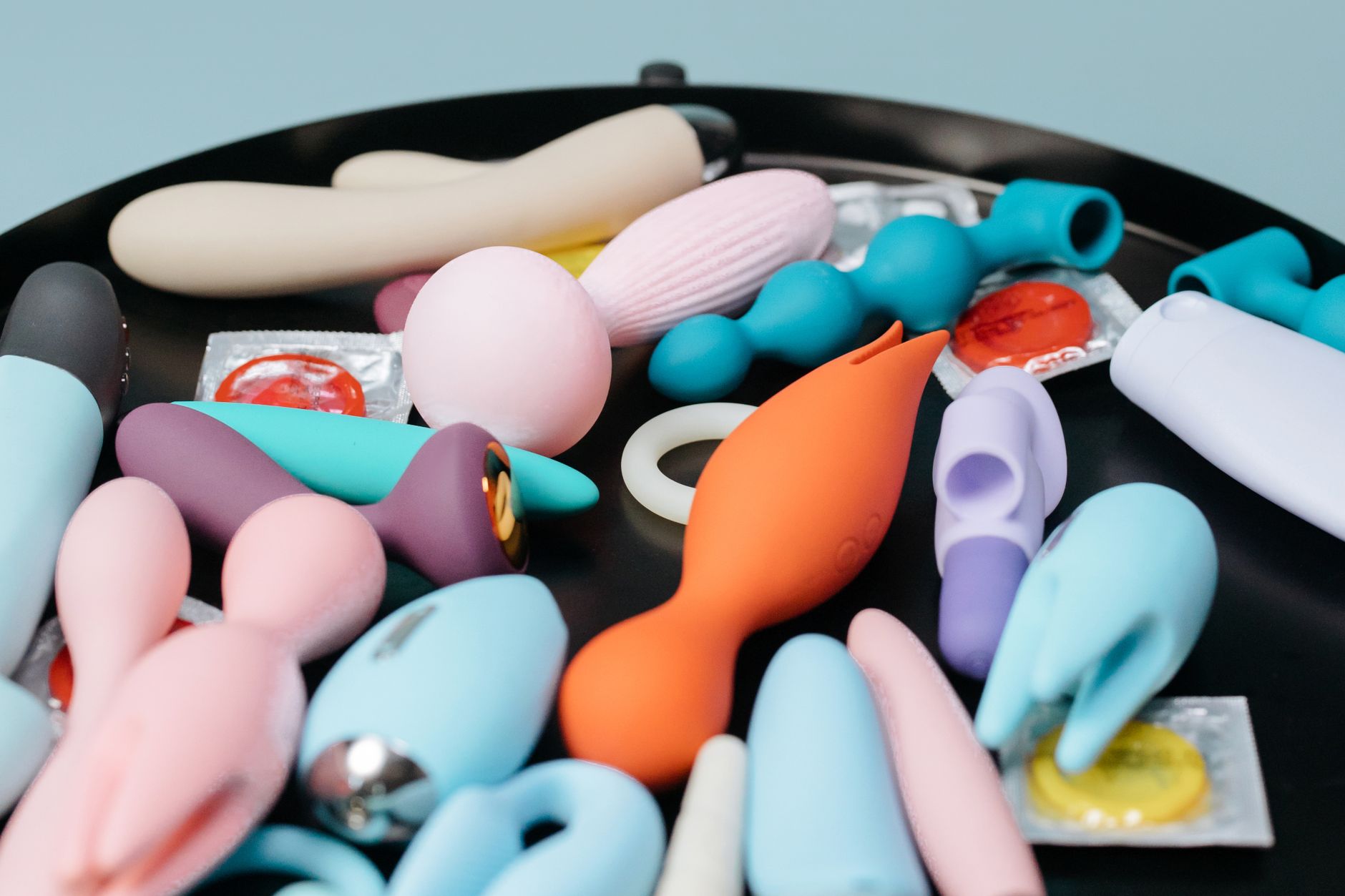
Photo by cottonbro studio on Pexels
The lube situation is completely different
With traditional vibrators, especially buzzy ones, lubrication mainly prevents friction irritation. With a lemon vibrator, lube changes the entire sensation. It enhances the suction seal, makes the pulse feel smoother, and actually increases the range of sensation you can access. The same lemon vibrator feels noticeably different with and without water-based lubricant.
This matters because it means you have more control over intensity without changing the device settings. Add more lube, sensation softens. Less lube, sensation sharpens. Traditional vibration doesn't offer that same flexibility. It buzzes the same way whether you're slick or dry (though you should always use lube for comfort either way).
Many people who struggled with traditional vibrators find they finally achieve consistent orgasms with a lemon sucker once they understand how lube interacts with the technology. It's not a hack. It's using the tool the way it's designed to work.
When sensation preferences shift over time
Your sensitivity isn't static. After hormonal changes, during high-stress periods, or even just as you age, what feels pleasurable can change. I've worked with many women in their 40s and beyond who found that traditional vibrators suddenly felt too intense or not intense enough. Their clitorises weren't broken. Their sensory preference had shifted.
A lemon clitoral vibrator's variable pulse patterns and suction-based approach often feel more adaptable to these shifts. You're not locked into a vibration frequency that either works or doesn't. You can modulate intensity, use different settings, and adjust with lube to find what your current body responds to.
I also see this after breakups or during stress. When your nervous system is activated by anxiety or grief, intense traditional vibration can sometimes feel overwhelming. Suction-based stimulation tends to feel more grounding and easier to control mentally. You're building pleasure gradually rather than pushing toward a fixed intensity target.
The partner-play advantage
If you use a lemon vibrator with a partner, you get a different benefit than with traditional vibration. Because suction doesn't rely on a specific contact pressure, a partner can vary how they position it, when they engage it, and how they layer it with other touch. The sensation stays responsive and novel rather than monotone.
With traditional vibration, there's less variability. Once it's on and in place, it delivers the same stimulus every second. A lemon sucker stays interactive. Your partner can feel the rhythm, adjust the pressure, pause between pulses, and create a dynamic experience rather than just holding a buzzing object in place.
That's part of why people who were skeptical about using toys with partners often shift their perspective once they try a lemon vibrator. It becomes collaborative rather than mechanical.
Addressing the myth about desensitization
Here's something I want to clarify because it comes up constantly: you won't lose sensation from using a lemon vibrator. The concern usually stems from traditional vibration research showing that high-frequency buzziness can cause temporary nerve adaptation. That's real, but it's temporary and it happens less with suction-based devices.
Your clitoris has thousands of nerve endings and they're incredibly resilient. Short-term adaptation doesn't mean permanent damage. Take a day off between sessions, use lube, vary your stimulation pattern, and your sensitivity resets completely. The lemon vibrator's design actually reduces the risk because you're not subjecting your nerves to constant high-frequency input.
Common reasons women switch and never look back
I work with women across a wide range of experiences, and here's what I hear repeatedly from people who try lemon vibrators after traditional ones: the sensation feels more intelligent. It responds to their body rather than just imposing a fixed stimulus. The orgasms arrive faster and feel deeper. They feel less raw afterward. They can use lower intensity settings and still achieve full orgasms.
Some people need the buzz. That's completely valid. But if you've been assuming you just don't respond well to sex toys, or if traditional vibration has always felt one-note, a lemon sucker might be the first device that actually speaks your language.
FAQ: Questions your body might have right now
Is air suction better than vibration, or is it personal preference?
It's personal preference, but research suggests about 40 to 50 percent of people with clitorises respond more intensely to suction-based stimulation than to vibration. Neither is objectively better. Your nervous system just has a preference. The only way to know yours is to try both and pay attention to how your body responds.
Can I use a lemon vibrator if I've never enjoyed vibrators before?
Maybe. If traditional vibrators felt harsh, numbing, or just didn't register, a lemon clitoral vibrator is worth trying. The technology is different enough that it bypasses whatever wasn't working for you with conventional buzz. That said, also consider that your settings might have been too high, or you might benefit from more lube or longer warm-up time before switching devices entirely.
How long does it take to feel a difference when switching from traditional vibration?
Most people notice within the first session or two. If you're used to traditional vibration and you try a lemon sucker, the sensation feels immediately distinct. Whether it feels better takes a couple of uses to determine because your body needs to learn how to respond to the new stimulus pattern. Give yourself at least three to five sessions before deciding it's not for you.
Do I need special lube for a lemon vibrator?
Water-based lubricant works best. It creates the seal that makes suction-based stimulation effective while being compatible with silicone toys. Avoid silicone-based or oil-based lubes with silicone toys, as they can degrade the material. Quality water-based lube will transform how a lemon vibrator feels.
What if I like both vibration and suction?
Perfectly normal. Some devices combine elements of both. You might also just genuinely enjoy varying your approach depending on your mood, arousal level, or what you're in the mood for. Your pleasure preferences don't have to be monolithic.
Can using a lemon vibrator make partner sex feel less satisfying?
No. If anything, understanding how your body responds to different types of stimulation makes you a better communicator with partners. You know what you like, which means you can guide the experience more effectively. Your solo pleasure and partnered pleasure are separate ecosystems. One doesn't diminish the other.
Here's what matters most
You deserve a device that actually works for your body, not one you feel obligated to enjoy because it's what other people recommend. If you've tried traditional vibrators and something felt off, it's not a reflection on you or your capacity for pleasure. It might just be that suction-based technology like a lemon vibrator is more aligned with how your nervous system operates.
The science is real, the differences are measurable, and most importantly, your experience matters. If you're curious, try one. Pay attention to what you notice. Your body will tell you whether this is the right tool.
Have questions about what might work best for you specifically? Let's talk. That's exactly what I'm here for.