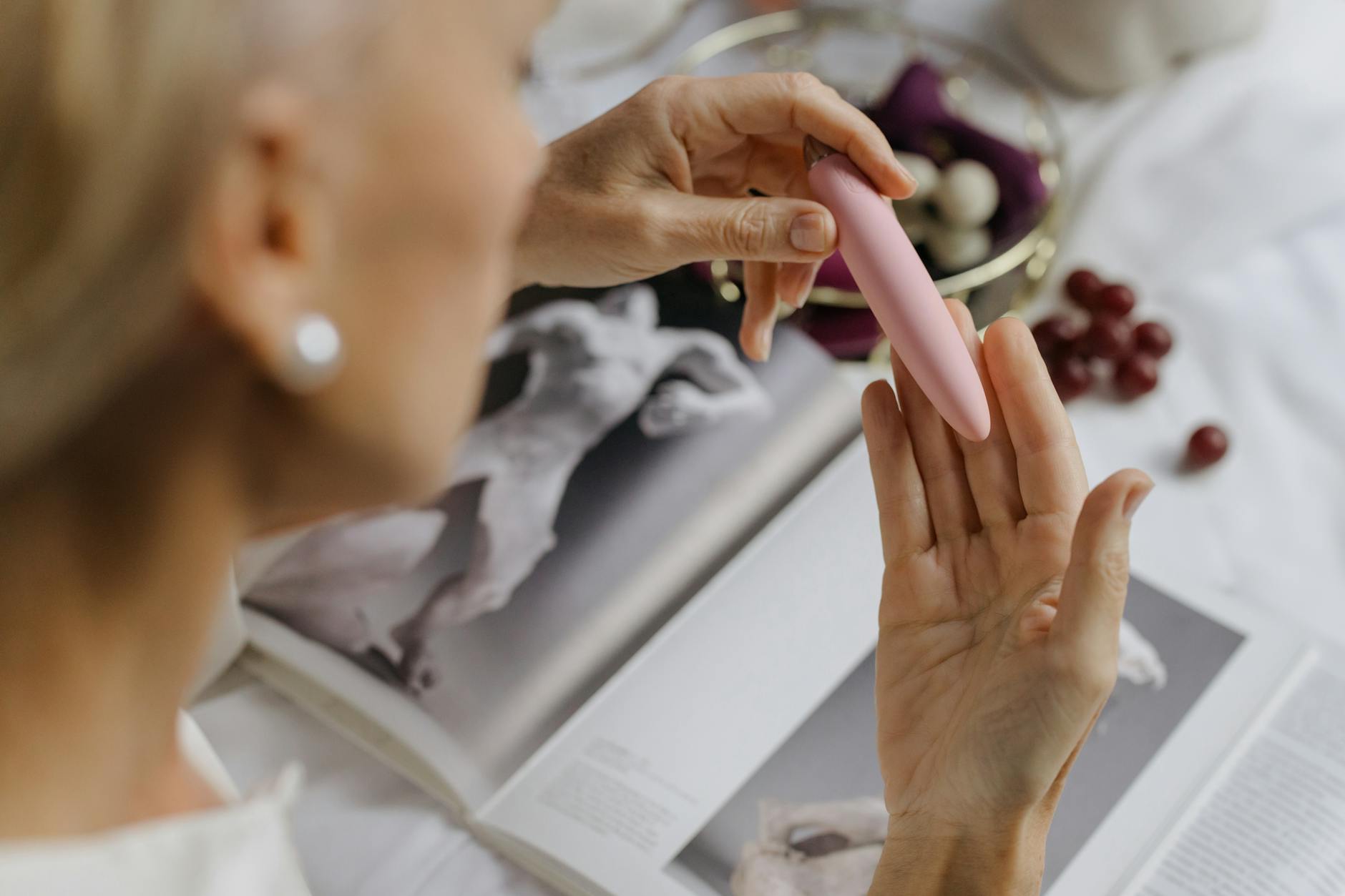
When you've been away, your body doesn't remember the way back immediately
Let's start here: if you've taken a long break from sex or masturbation, your clitoris hasn't forgotten how to feel pleasure. What has changed is your nervous system's readiness to receive it. That distinction matters because it explains why coming back feels so different, and why it's not a sign something's broken.
After months or years without sexual activity, several things happen physically. Bloodflow to genital tissue decreases when it's not regularly stimulated. The nerves that carry sensation don't atrophy, but the brain's pathways for processing genital sensation can get quieter. Your pelvic floor muscles may have tightened from disuse. And psychologically, you might carry anticipatory anxiety or self-consciousness that wasn't there before.
This is completely reversible. And lemon clitoral vibrators, with their unique suction-based technology, are particularly good at waking up sensation that's been dormant.
Why sensation feels numb or overly intense after a long pause
There's a strange paradox: people returning to sex after a long break often report that stimulation feels either completely absent or shockingly overwhelming. Sometimes both, at different moments. Here's why.
Your nervous system is essentially recalibrating. It's like closing a door for years and then opening it again. The room hasn't changed, but your eyes need time to adjust to the light.
When sensation feels absent, it's usually because:
- Direct clitoral touch feels less intense than you remember. This is normal. The tissue is sensitive, and heavy friction can actually feel uncomfortable rather than pleasurable.
- Your brain isn't yet primed to interpret the signals it's receiving as pleasure. This rewiring takes time, usually a few sessions.
- Anxiety can literally dampen sensation. If you're nervous about whether you can still feel pleasure, your nervous system doesn't fully open up to sensation.
When sensation feels overwhelming, it's usually because:
- The tissue is more sensitive than you expect because it's not accustomed to stimulation.
- You're trying to recreate the intensity you felt years ago, when your nervous system was warm and primed.
- Direct vibration without lubrication can feel too sharp on tissue that hasn't had regular bloodflow.
Lemon vibrators help here specifically because suction distributes sensation more evenly than conventional vibrators. Instead of point-contact friction, you get a gentle, rhythmic draw that wakes up tissue without overwhelming it.
The physiology of coming back
When you haven't had sexual activity for an extended period, several shifts happen in your genital anatomy and nervous system.
Bloodflow is the first one. Your clitoris contains erectile tissue, just like a penis does. When you're not regularly aroused, bloodflow to that tissue decreases. This doesn't mean you're broken. It means that initial arousal might take longer to build and feel less obvious than you remember. The first few sessions with a lemon vibrator, you might feel more buzzing than sensation. That's bloodflow finding its way back.
Your pelvic floor is probably tighter than it was. If you've been under stress, dealing with grief, health issues, or just life, your pelvic floor muscles may have gripped down reflexively. This tension literally restricts sensation. You can't fully feel pleasure when those muscles are clenched. Using a lemon vibrator at low intensities while actively relaxing your pelvic floor helps reverse this. The suction sensation often prompts a natural relaxation response.
Your nervous system's pleasure circuits are quieter. This is neither good nor bad. Your brain hasn't been processing genital sensation regularly, so the neural pathways are less active. Regular stimulation, especially with a tool that provides consistent, non-threatening sensation, helps rebuild these connections.
Hormones may be different too. If your break coincided with menopause, thyroid issues, stress, or medication changes, your estrogen or testosterone levels might have shifted. This changes how tissue responds. Lower estrogen means thinner vaginal and clitoral tissue, which sometimes requires gentler initial stimulation and lubrication. If you're navigating hormonal shifts while returning to pleasure, lemon vibrators help rebuild sensation even when hormone levels have changed.
Why lemon suction technology helps specifically when rebuilding sensation
When you're coming back to pleasure, your body needs something different than what might have worked years ago.
Conventional vibrators provide rhythmic friction. They're great for someone whose body is already warmed up and whose nervous system is primed. For someone rebuilding sensation after a long pause, friction can feel jarring.
Lemon vibrators use air-suction technology instead. The sensation is rhythmic and gentle, like a soft pulse that draws the clitoral tissue. This accomplishes several things simultaneously.
First, it wakes up tissue without shocking your nervous system. The suction creates a gradual build in sensation rather than an immediate jolt.
Second, it naturally encourages bloodflow. The gentle draw prompts tissue to engorge. Over the course of a few sessions, this increases sensation significantly.
Third, it promotes relaxation. Many people find that the sensation of suction actually prompts their pelvic floor to soften, rather than tense. This is the opposite of what happens with pressure-based vibrators.
Fourth, it provides feedback. You can feel what's happening in real time, which helps rebuild your sense of ownership over your own pleasure.
Start at pattern 1 or 2 on the Lem vibrator. The lowest settings feel almost meditative. You're not trying to have an orgasm on day one. You're teaching your body that it's safe to feel again.
The emotional rewiring that happens alongside the physical rebuild
Here's what surprised most of my clients who took long breaks and came back: the physical rewiring is sometimes easier than the emotional rewiring.
If your break was due to relationship disconnection, grief, health trauma, or just years of life wearing you down, your body might carry some guardedness. Not consciously. Your nervous system is just protecting you the way it was protecting you during the break.
Using a lemon vibrator alone, without pressure to perform or connect with a partner, can feel radical because you're giving yourself permission to feel something just for you. No one's watching. No one's waiting. You're just exploring what's still there.
This often brings up emotions. That's normal. Some people cry during their first sessions back. Some people feel nothing for the first three or four times and then suddenly sensation clicks in. Some people feel conflicted about their own pleasure if the break was associated with depression or life difficulty.
All of this is part of the rebuilding. If you're returning to pleasure after disconnection in a relationship, that's a separate conversation from rewaking your body. You can rebuild your individual sensation while also deciding separately how or whether you want to rebuild sexual connection with a partner.
A practical protocol for coming back safely
Here's what I recommend for the first two to three weeks.
Week one: Use your lemon vibrator alone, in a space where you won't be interrupted, on patterns 1 and 2. Spend 10 to 15 minutes. Don't set any goal. You're just noticing what sensation feels like now. Some people feel a lot. Some people feel almost nothing. Both are fine.
Week two: Same setup, but now try patterns 2 and 3. You might notice that sensation builds over the course of the session. This is bloodflow returning. If you feel like you're approaching orgasm, that's wonderful. If you don't, that's also fine. You're rewaking sensation, not chasing climax.
Week three and beyond: By now, most people notice a significant shift. Sensation feels more familiar. Your body feels more responsive. If you want to, this is when you might add lubricant and explore slower, longer sessions. If your break was years long, you might need this protocol for a month or two. That's normal.
Throughout, stay hydrated, don't use alcohol right before a session (it dampens sensation), and avoid using your lemon vibrator when you're extremely stressed or dissociated. You want your nervous system present.
When to check in with a professional
If after four to six weeks of regular use you're still feeling completely numb, or if sensation has come back but feels painful, it's worth talking to a pelvic floor physical therapist or a sex-informed therapist. Numbness that doesn't shift might point to nerve issues or significant pelvic floor tightness. Pain usually indicates muscular tension or, rarely, tissue issues.
Neither of these things is permanent. But they're worth addressing with professional support rather than pushing through on your own.
If the break was due to sexual trauma, a trauma-informed therapist who understands sexuality is invaluable. A lemon vibrator is a tool, not a treatment for trauma. But it can be part of a larger healing process when you have professional support.
People also ask
How long does it take for sensation to come back after a long break from sex?
Most people notice a significant shift within three to four weeks of consistent use, a few times per week. The nervous system rebuilds faster than most people expect. That said, if your break was several years, you might need two to three months for sensation to feel fully normalized. This timeline varies wildly based on why you took the break, what your body's been through, and your stress level now.
Can you permanently lose sensation from not having sex for years?
No. Your clitoris doesn't forget how to feel pleasure. Sensation can feel dimmer, more distant, or harder to access after a long break. But it's always retrievable. Your nervous system is plastic and responsive. Regular, gentle stimulation with a tool like a lemon vibrator rebuilds sensation faster than most people realize.
Should you start with a lemon vibrator if you're completely new to vibrators and also coming back after years away?
Yes, actually. Because lemon suction vibrators feel different from conventional vibrators, they're often gentler for someone rebuilding sensation. The suction sensation feels less intense than direct vibration, which makes it ideal for someone whose nervous system is recalibrating. Start at the lowest setting and don't rush.
Is it normal to feel anxious or emotional when coming back to pleasure after a long break?
Completely normal. Your body might have a lot of feelings about pleasure that got put on hold while you were away from it. Some of that is grief, some is nervous-system recalibration, some is joy at reclaiming something that mattered to you. All of it is valid. A few minutes of deep breathing before a session can help calm your nervous system.
What if your partner wants to come back to sex with you but you're rebuilding alone first?
That's actually a healthy approach. Rebuilding your individual sensation first means you're coming back to partnered sex from a place of knowing what feels good to you now, not from a place of pressure or performance. You can absolutely involve a partner later. But there's wisdom in spending a few weeks or even months reconnecting with your own body first.
Can hormonal changes affect how quickly sensation comes back?
Yes. If your break coincided with menopause, hormonal birth control, thyroid issues, or medication changes, those shifts might have changed how your tissue responds. Thinner tissue may require lubrication and gentler initial stimulation. But these changes don't prevent pleasure from returning. They just might mean your rebuild protocol looks slightly different.
The path forward
Your body hasn't forgotten pleasure. It's just been quiet for a while. A lemon vibrator, with its gentle suction sensation and gradual intensity curve, is often the fastest way to wake up that sensitivity and rebuild the neural connections that make pleasure feel full and accessible again.
Take your time. There's no rush. The pleasure you're rebuilding will be there whenever you're ready to meet it.
Ready to explore further? Reach out to us with questions about getting started.