The drift is real, and it's not your fault
You've been together for years. Maybe decades. The sex didn't disappear overnight. It just got quieter. First it was once a week, then every other week, then you stopped counting because counting made it hurt. You love your partner. You're attracted to them. You're just... not touching anymore. And the longer the silence goes, the harder it feels to break.
This is the most common pattern I see in couples therapy, and almost no one talks about it. Relationships don't fail because passion dies. They stall because neither person knows how to restart the conversation.
Why long-term couples stop having sex
Here's what's actually happening. It's not a mystery. It's not because the spark is gone forever. It's logistics and shame and habit, braided together.
When you stop having regular sex, touch becomes loaded. A hug in the kitchen doesn't feel like a hug anymore. It feels like the opening of a conversation you're both terrified to have. So you stop hugging the way you used to. You sit on opposite ends of the couch. You sleep facing away. Each small withdrawal feels safer than the risk of rejection or the obligation of initiation.
Meanwhile, your brain is doing its own work. Regular sexual activity keeps the neural pathways for desire active. When sex becomes infrequent, those pathways quiet down. Desire doesn't evaporate. It just gets harder to access.
Add work stress, parenting, aging bodies, medication side effects, or simple exhaustion, and suddenly you're not having sex because you're not having sex. The reason disappears. Only the pattern remains.
Why introducing a tool helps
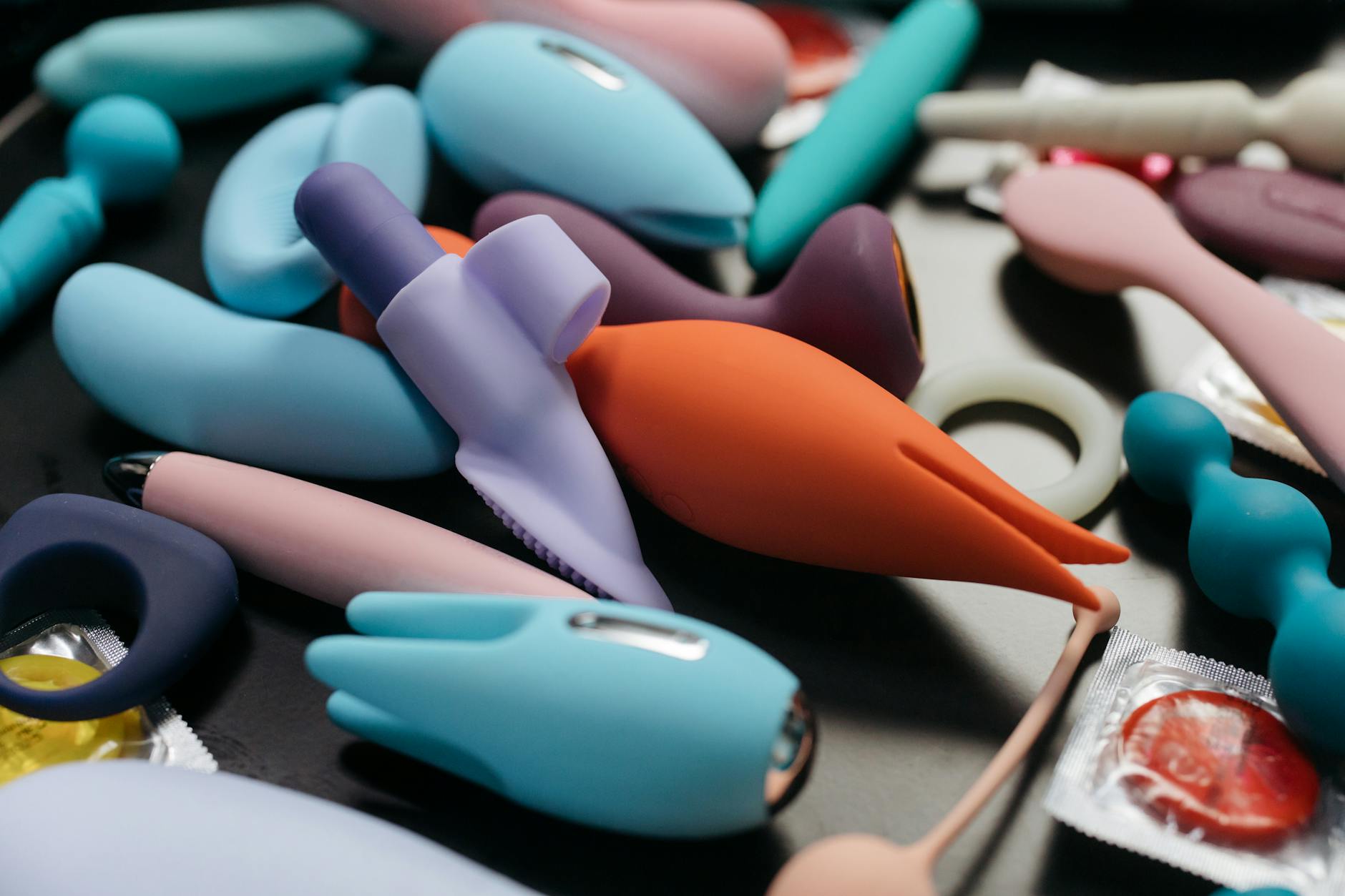
Here's the thing about lemon vibrators and other clitoral toys in this context. They're not a replacement for your partner. They're a reset button.
When a couple hasn't had sex in months or years, restarting with the exact same format feels impossible. There's too much history. Too much weight. Your body remembers the last time. Your brain remembers the conversation that didn't happen after it.
A lemon clitoral vibrator—or any good suction toy—changes the script. Suddenly you're not recreating the old pattern. You're building a new one. You're learning each other's bodies again as if for the first time.
For people with vulvas, the benefits are even more specific. Why Lemon Clitoral Vibrators Work Better for Sensitive Tissue breaks down the mechanics, but the quick version is this. Clitoral vibrators deliver consistent stimulation without the variability of manual touch. That consistency rebuilds sensation and responsiveness after a long dry spell.
But the real power isn't mechanical. It's psychological. Using a lemon vibrator together gives you both permission to focus on pleasure in a way that feels less like "we're fixing the relationship" and more like "we're trying something new together."
Starting the conversation
You can't just show up with a vibrator and expect the conversation to happen on its own. You have to actually talk first.
Here's how I frame it with couples. Don't say, "We need to talk about our sex life." That sounds like a problem to solve. Instead, start smaller. "I've been thinking about us. About how much I miss touching you. I miss feeling connected to you this way. I want to rebuild that."
If your partner gets defensive, that's information. Defensiveness usually means they also feel the loss and don't know how to fix it. You're not accusing them. You're inviting them.
Then you can introduce the tool. "I read that a lot of couples who've drifted have good luck restarting with something new. Something that doesn't feel like recreating what we used to do. Would you be willing to try that with me?"
The word "try" is important. You're not committing to a lifestyle change. You're experimenting together.
How to actually use it together
Four practical guidelines.
First, set aside real time. Not a quickie at 11 p.m. when you're both exhausted. A weekend morning, or an evening when you're actually rested. Tell the kids you need two hours. Turn your phones off.
Second, start with your own body alone. This might feel weird, but it matters. Use the lemon vibrator solo a few times before you introduce it into couple time. Get comfortable with how it feels, what patterns you prefer, where the sweet spots are. When you know your own body, you can guide your partner. You can ask for what you actually want instead of just receiving what they try.
Third, start with it solo in front of them. This isn't about performance. It's about vulnerability. Let them watch you discover what feels good. This rebuilds trust and eroticism at the same time. It's intimate without being as loaded as partnered sex.
Fourth, build in non-sexual touch first. A massage. Kissing. Undressing each other slowly. The vibrator should be the dessert, not the entire meal. How to Use Lemon Vibrators When You're Not in a Rush covers this in detail, but the principle is simple. Your nervous system needs time to remember what pleasure feels like.
The blocks you'll hit and how to move through them
Your partner might feel threatened. "Do you need this instead of me?" The answer is no, but you have to say it directly. "I need this with you. It's something I want us to explore together."
You might feel embarrassed. You might worry that introducing a toy means you're broken somehow. You're not. You're being smart. Couples who rebuild intimacy after a long gap don't usually do it with the same toolkit that stopped working. They get creative.
One or both of you might find that nothing works right away. Your body might not respond. You might feel numb or disconnected. This is normal. Desire is a skill you've been practicing at zero. It takes a few weeks of consistent attention before your nervous system remembers that pleasure is available to you.
If you hit a wall that feels immovable, consider working with a couples therapist or a sex-positive counselor. Sometimes the sexual distance is a symptom of a deeper relational break. A professional can help you separate the two.
What changes when you restart
You're not trying to recreate the early relationship. That era is over. The good news is that the sex you rebuild in your 40s, 50s, or beyond is often deeper and less neurotic than the sex you had in your 20s.
You know each other. You've weathered real things together. You know what you want. You're less likely to perform for each other and more likely to be genuine.
The couples I work with who successfully reconnect after a long gap report that the intimacy feels different, not worse. It's less spontaneous, maybe. You can't always just grab each other in the kitchen. But it's more intentional. More deliberate. And somehow that lands deeper.
Rebuilding physical connection with tools like lemon vibrators isn't about fixing a broken relationship. It's about choosing each other again, in a new way.
Common questions
Can a vibrator actually fix a relationship that's dying?
No. A vibrator is a tool for rebuilding physical intimacy, not a band-aid for deeper problems. If the distance is really about resentment, betrayal, or incompatibility, you need to address those things directly. A couples therapist can help you figure out whether the relationship is worth fixing and how to do it. A vibrator helps rebuild desire, but only if both people are willing to show up.
What if my partner refuses to try anything new?
That's a real conversation to have. "I need intimacy in our relationship. I'm willing to work on it with you. Are you?" If they say no, or if they say yes but never follow through, you have a bigger decision to make about whether this relationship can meet your needs.
How long does it take to rebuild desire after years without sex?
It varies, but plan for at least 2-3 months of consistent, intentional practice. Your nervous system doesn't snap back like a light switch. Think of it like rebuilding fitness after a year of being sedentary. You start slow, you're consistent, and you give yourself grace when you have setbacks.
Should we use a vibrator every time we have sex?
Not necessarily. Some couples find that once they've rebuilt the pattern, they can eventually incorporate partnered touch again. Others keep the vibrator as a regular part of their intimate life. There's no rule. What matters is what feels good to both of you.
What if using a vibrator together makes it worse?
That usually means something else needs to be addressed first. Unresolved resentment, communication problems, or mismatched desires can surface when you slow down and get intimate. These are worth talking about directly. Again, a therapist can help.
Is it normal to feel awkward the first time?
Completely normal. You're doing something vulnerable with someone you haven't been intimate with in a long time. That's inherently awkward. The awkwardness usually passes quickly once you both realize you're on the same team.
The hardest part is starting
The truth about reconnecting after a long drift is that the hardest part isn't the sex. It's the first conversation. It's saying out loud that you miss it. It's admitting that you want it. It's taking the risk that your partner might say no.
But here's what I know from two decades of working with couples. Most people don't say no. Most people have been waiting for their partner to initiate exactly this conversation. They've been missing it too.
You don't need a perfect plan. You don't need to be in perfect shape or feel totally confident. You just need to start. With a conversation. With touch. With a willingness to rebuild what's been quiet for too long.
Your pleasure matters. Your connection matters. And it's never too late to ask for both.